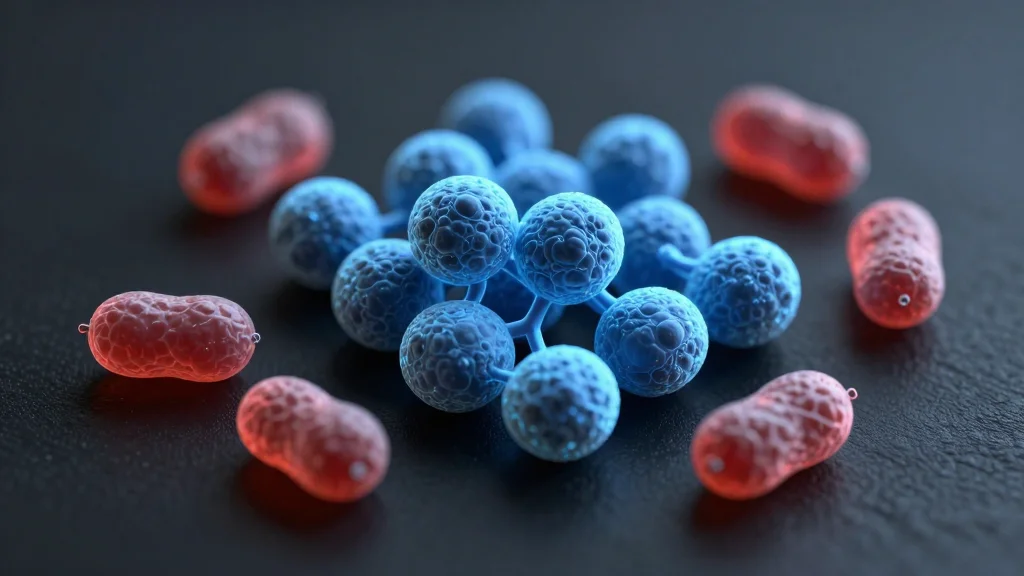
Andalusia Unveils Ruthenium‑Uracil Nanoparticle Coating to Combat Hospital Superbugs

Why It Matters
Antibiotic‑resistant infections cost the global healthcare system billions of dollars each year and are responsible for tens of thousands of deaths in Europe alone. By introducing a nanomaterial that kills a key pathogen without relying on traditional drugs, Andalusia is addressing a critical gap in infection control. The approach also demonstrates how regional research ecosystems can generate market‑ready technologies that have immediate societal impact. Beyond the immediate clinical benefits, the project showcases a scalable, low‑waste manufacturing route for functional nanomaterials. If successful, the ruthenium‑uracil platform could be adapted to target other resistant microbes, opening a new product class for the medical‑device industry and potentially spurring investment in nanotech‑driven healthcare solutions across Europe.
Key Takeaways
- •Andalusian research team creates ruthenium‑uracil nanoparticles that eradicate Staphylococcus aureus in lab tests
- •Synthesis is a single‑step process that reduces waste and simplifies scale‑up
- •Project funded by the Andalusian Ministry of University, Research and Innovation; exact amount not disclosed
- •Potential applications include hospital surface coatings, medical device finishes and other antimicrobial products
- •Pilot hospital trials slated for later 2026 to assess safety, durability and real‑world efficacy
Pulse Analysis
The Andalusian nanoparticle coating arrives at a moment when the pharmaceutical pipeline for new antibiotics is thin, and hospitals are scrambling for adjunctive technologies. Historically, nanomaterials have struggled to move beyond proof‑of‑concept due to manufacturing complexity and regulatory uncertainty. This project sidesteps many of those hurdles by leveraging a straightforward, one‑pot synthesis that can be reproduced at industrial scale, a factor that could accelerate time‑to‑market.
From a competitive standpoint, the European nanotech landscape has been dominated by German and French consortia focusing on diagnostic sensors and drug delivery. Andalusia’s focus on a direct antimicrobial surface treatment differentiates it and may attract partnerships with device manufacturers eager to differentiate their products with built‑in infection control. Moreover, the involvement of multiple European research groups hints at a collaborative model that could pool regulatory expertise and share the cost of clinical validation.
Looking ahead, the key challenge will be translating in‑vitro potency into durable, safe coatings that survive the harsh cleaning regimens of modern hospitals. If the upcoming pilot studies confirm the material’s performance, we could see a wave of niche nanotech firms emerging to commercialize similar hybrid particles, potentially reshaping the market for hospital‑grade antimicrobials and reducing reliance on traditional antibiotics.
Andalusia Unveils Ruthenium‑Uracil Nanoparticle Coating to Combat Hospital Superbugs
Comments
Want to join the conversation?
Loading comments...