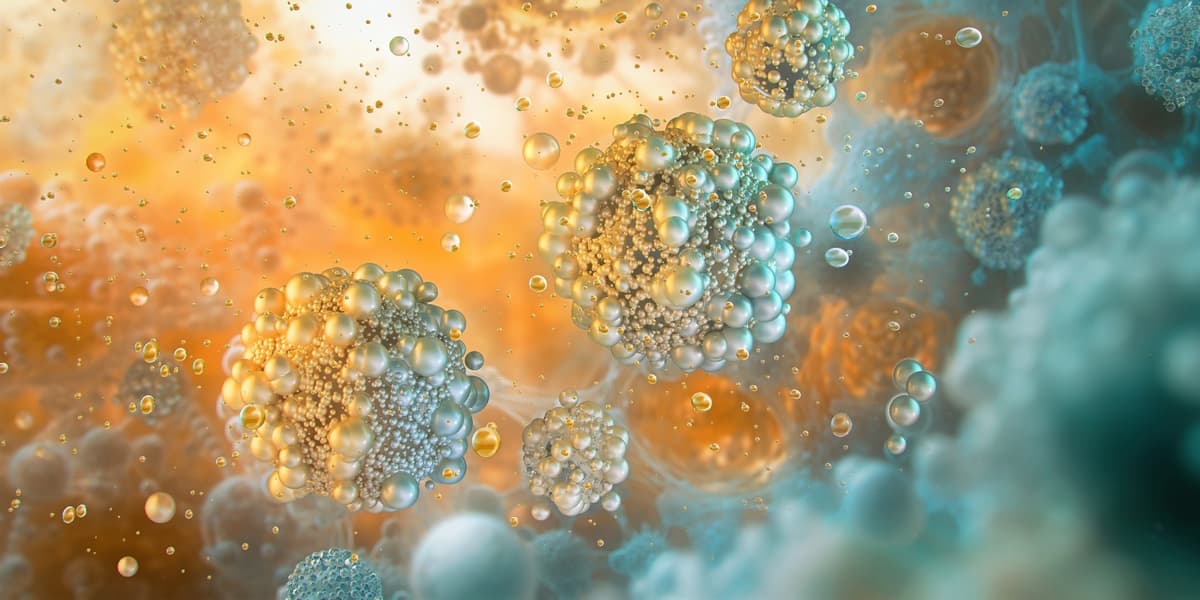
Chitosan Nanoparticles Could Make Vaccines More Stable, Mucosal, and Needle-Free
Why It Matters
If chitosan nanovaccines achieve commercial viability, they could lower distribution costs, expand access to mucosal vaccines, and accelerate pandemic response by eliminating needles and refrigeration constraints.
Key Takeaways
- •Chitosan nanoparticles protect antigens and enable needle‑free delivery.
- •Modified chitosan (TMC, HTCC) improves solubility and cellular uptake.
- •Spray‑drying yields stable powders lasting three months at 60 °C.
- •Mucoadhesive properties enhance intranasal and oral vaccine retention.
- •Clinical translation limited by safety, stability, and GMP‑grade material gaps.
Pulse Analysis
Traditional vaccines are hampered by cold‑chain logistics and limited mucosal efficacy, forcing health systems to invest heavily in refrigerated infrastructure. Chitosan, a biodegradable polysaccharide derived from crustacean shells, offers a natural solution: its cationic nature and tunable chemistry allow the formation of nanocarriers that shield antigens from temperature‑induced degradation. By employing mild fabrication methods such as ionic gelation or spray‑drying, manufacturers can produce dry powder formulations that remain stable at elevated temperatures, potentially cutting distribution costs and expanding reach into low‑resource settings.
Beyond stability, chitosan nanostructures act as adjuvants that amplify both systemic and mucosal immune responses. Chemical modifications—quaternization, carboxymethylation, and acylation—introduce permanent positive charges or amphiphilic domains, improving nucleic‑acid binding, membrane interaction, and cellular uptake. Once internalized by dendritic cells, the polymer’s protonation triggers endosomal swelling, facilitating antigen escape into the cytosol and activating pathways such as NLRP3 inflammasome and cGAS‑STING. These mechanisms generate robust IgA at mucosal surfaces and cytotoxic T‑cell responses, addressing the entry points of many pathogens.
Despite compelling preclinical data, the path to market faces hurdles. Regulatory bodies require extensive safety dossiers, long‑term stability studies under GMP conditions, and standardized chitosan with defined molecular weight and deacetylation levels. Early Phase I/II trials have shown favorable local safety but inconsistent human immunogenicity compared with animal models. Overcoming these gaps could unlock a new class of self‑administered, needle‑free vaccines, reshaping immunization strategies for seasonal flu, emerging viruses, and future pandemics. Industry stakeholders are watching closely as the next wave of biopolymer‑based delivery platforms moves from bench to bedside.
Chitosan Nanoparticles Could Make Vaccines More Stable, Mucosal, and Needle-Free
Comments
Want to join the conversation?
Loading comments...