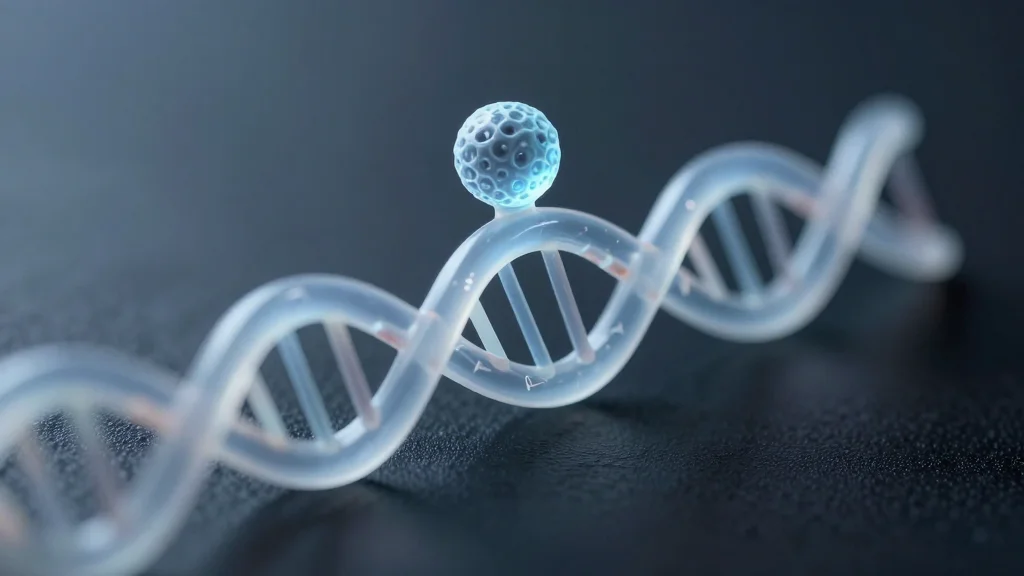
Durham‑Jagiellonian Team Unveils DNA Nano‑Rings to Capture Viral Membrane Proteins

Why It Matters
The ability to isolate and orient viral membrane proteins at the nanoscale removes a long‑standing obstacle in drug discovery. Accurate structural data are essential for rational design of inhibitors that can block viral entry or replication, potentially shortening the pipeline from lab to clinic. Moreover, the DOC‑ND platform demonstrates a scalable, programmable approach that could be repurposed for other challenging membrane proteins, expanding its impact beyond virology into immunology, oncology, and synthetic biology. By providing a reproducible scaffold, the technology also democratizes high‑resolution imaging. Laboratories lacking specialized cryo‑EM expertise can now generate uniformly oriented samples, lowering barriers to entry and fostering broader participation in membrane‑protein research worldwide.
Key Takeaways
- •DNA‑origami nano‑rings capture single viral membrane proteins
- •DOC‑NDs maintain native lipid environment and control protein orientation
- •Improves cryo‑EM resolution by standardizing molecular placement
- •Potential to accelerate antiviral drug screening and synthetic cell design
- •Collaboration bridges Durham University (UK) and Jagiellonian University (Poland)
Pulse Analysis
The DOC‑ND breakthrough arrives at a moment when the pharmaceutical industry is scrambling for faster antiviral pipelines, a trend amplified by recent pandemic experiences. Traditional methods rely on detergent‑solubilized proteins that often lose functional conformation, leading to costly dead‑ends in drug development. By preserving the native bilayer and enforcing a single‑protein layout, the Durham‑Jagiellonian platform could cut the time and expense required for structural validation, giving biotech firms a competitive edge.
Historically, DNA origami has been celebrated for its architectural elegance but struggled to find a clear commercial hook. This application ties the technology directly to a high‑value market—antiviral therapeutics—where even marginal gains in structural insight translate into billions of dollars in potential revenue. Competitors in the nanobiotech space, such as companies developing synthetic vesicles or lipid‑nanoparticle delivery systems, will likely monitor DOC‑ND adoption closely, as the approach could complement or even supplant existing platforms.
Looking ahead, the real test will be scaling the method from proof‑of‑concept to industrial throughput. If the team can automate ring assembly and integrate it with high‑throughput screening robots, the technology could become a standard component of antiviral pipelines. Until then, the scientific community will watch for follow‑up studies that demonstrate efficacy against specific viral targets, such as SARS‑CoV‑2 spike protein or influenza hemagglutinin, which would cement DOC‑NDs as a cornerstone of next‑generation nanomedicine.
Durham‑Jagiellonian Team Unveils DNA Nano‑Rings to Capture Viral Membrane Proteins
Comments
Want to join the conversation?
Loading comments...