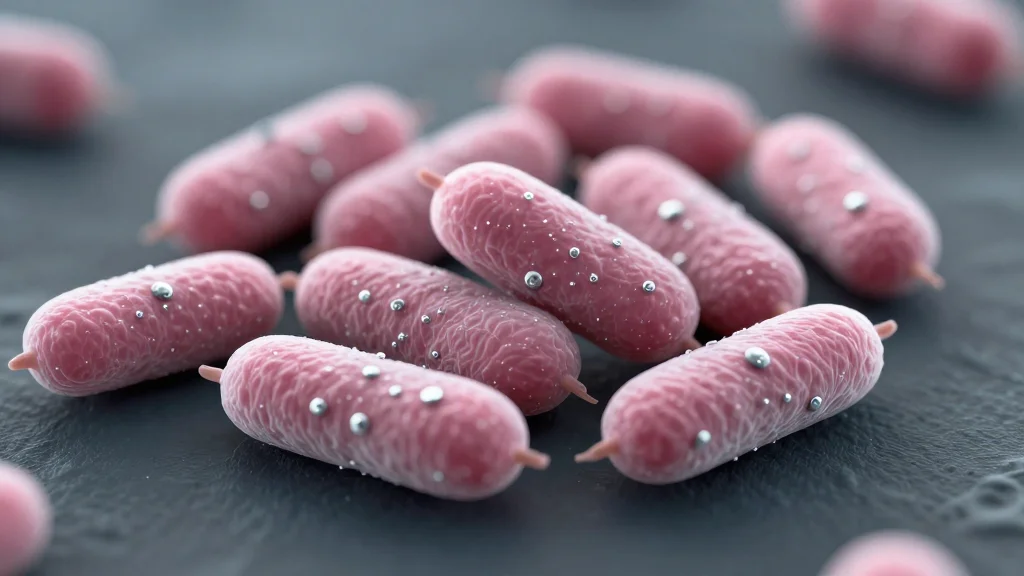
In Situ Biosynthesis of Pd Nanocrystals in Bifidobacterium Bioreactor as Dual Immune Stimulators for Immuno‐Chemodynamic Therapy of Cold Tumor
Why It Matters
By turning cold tumors immunogenic, lw01@Pd could expand the patient pool for checkpoint inhibitors and other immunotherapies, addressing a major hurdle in oncology. Its probiotic delivery also reduces off‑target toxicity compared with conventional nanomedicines.
Key Takeaways
- •Bifidobacterium breve engineered to biosynthesize palladium nanocrystals in tumors
- •Pd nanocrystals trigger oxidative stress, causing immunogenic cell death
- •Release of DAMPs and PAMPs activates dendritic cells and CD8+ T cells
- •Dual action eradicates intratumoral bacteria and suppresses tumor hypoxia
- •Platform offers a scalable, targeted approach for cold tumor immunotherapy
Pulse Analysis
Cold tumors—those lacking sufficient immune cell infiltration—remain a stubborn obstacle for checkpoint blockade and CAR‑T therapies. Traditional approaches rely on high‑dose radiation or cytokine storms, which can cause systemic toxicity and still fail to generate a durable immune response. Researchers are therefore seeking biologically integrated solutions that can both remodel the tumor microenvironment and provide a clear antigenic signal to the immune system. Probiotic vectors, already recognized for their safety in gastrointestinal applications, present a promising avenue for precise tumor targeting, especially in hypoxic niches where conventional drugs struggle to penetrate.
The newly reported lw01@Pd platform leverages a genetically modified Bifidobacterium breve strain that reduces carbon monoxide to palladium nanocrystals inside its own cytoplasm. Once the bacteria colonize the tumor, host‑cell xenophagy degrades the carrier, liberating palladium particles that catalyze reactive oxygen species formation. This oxidative burst induces immunogenic cell death, spilling tumor‑associated antigens alongside bacterial DAMPs and PAMPs. The combined molecular pattern signals accelerate dendritic cell maturation and prime CD8+ cytotoxic T cells, effectively turning a cold tumor into a hot, inflamed lesion ready for checkpoint inhibition.
From a market perspective, the global cancer immunotherapy sector is projected to exceed $150 billion by 2030, yet only a fraction of patients benefit due to tumor immunogenicity constraints. A probiotic‑based nanocatalyst that self‑assembles in situ could lower manufacturing costs, simplify regulatory pathways, and minimize systemic exposure, addressing key commercial barriers. If clinical trials confirm safety and efficacy, lw01@Pd may catalyze a new class of bio‑nanomedicines, attracting investment from both biotech firms and major pharmaceutical companies seeking to broaden the applicability of existing immunotherapies.
In Situ Biosynthesis of Pd Nanocrystals in Bifidobacterium Bioreactor as Dual Immune Stimulators for Immuno‐Chemodynamic Therapy of Cold Tumor
Comments
Want to join the conversation?
Loading comments...