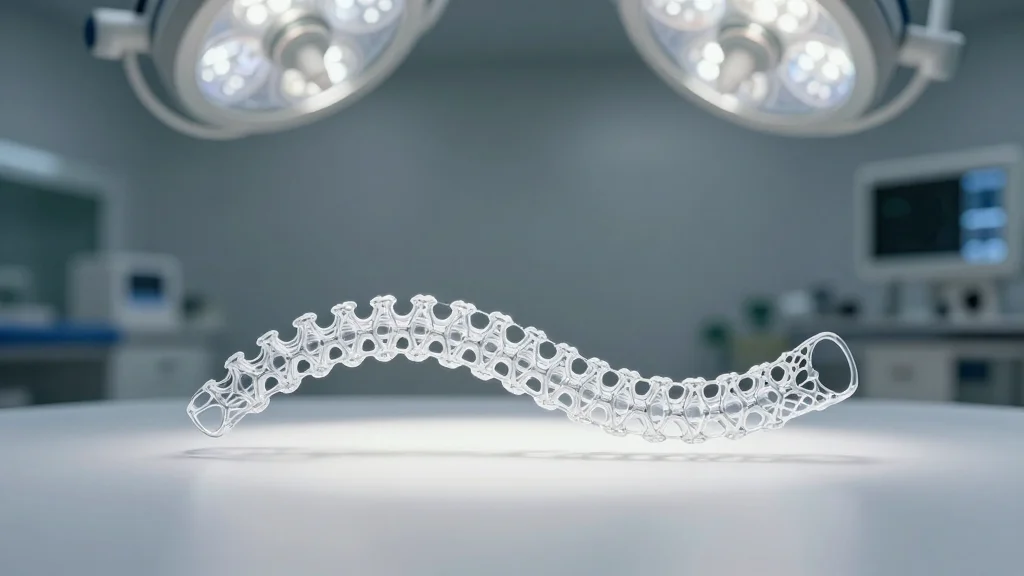
Israeli Team to Perform First Nanotech Spinal‑Cord Implant in Human Trial

Why It Matters
Restoring motor function after spinal‑cord injury has long been a holy grail of medicine. The nanotech‑enhanced scaffold represents a convergence of cell therapy, materials science, and precision surgery, offering a tangible path toward functional recovery where the body’s own neurons cannot regenerate. Success would not only transform the lives of millions of patients but also validate a platform technology that could be adapted for peripheral nerve repair, traumatic brain injury, and neurodegenerative diseases. Beyond the clinical promise, the trial underscores Israel’s growing reputation as a hub for biotech innovation, particularly in nanomedicine. Government backing, combined with a vibrant venture ecosystem, may accelerate the translation of laboratory breakthroughs into market‑ready products, reshaping the global competitive landscape for regenerative therapies.
Key Takeaways
- •First human implantation of a nanotech‑reinforced, 3‑D engineered spinal‑cord scaffold scheduled within weeks in Israel
- •Health Ministry approved compassionate‑use trials for eight patients; selection of first patient underway
- •Pre‑clinical mouse studies showed 80% recovery in chronic paralysis and 100% in recent injuries
- •Over 15 million people worldwide live with spinal‑cord injuries, representing a potential $15 billion market
- •Matricelf, the spin‑out biotech founded by Dvir, aims to launch Phase I/II trials by early 2027
Pulse Analysis
The upcoming Israeli surgery is more than a medical milestone; it is a litmus test for the viability of nanomaterial‑based tissue engineering at scale. Historically, spinal‑cord repair has been hampered by the inability to provide a supportive matrix that both guides axonal growth and integrates with host tissue. By embedding nanofibers that replicate the native extracellular matrix, Dvir’s scaffold addresses this gap, potentially setting a new standard for regenerative implants.
From a market perspective, the trial could catalyze a wave of financing into nanotech‑enabled biologics. Venture capital has already flowed into adjacent fields—such as nano‑drug delivery and bio‑printed organs—but the high‑profile nature of a human spinal‑cord repair may attract larger institutional investors seeking differentiated, high‑impact assets. Moreover, regulatory agencies are watching closely; a positive safety signal could streamline the approval pathway for similar nanostructured devices, reducing time‑to‑market for future therapies.
Looking ahead, the key risk remains translational fidelity. Mouse models, while encouraging, do not capture the complexity of human spinal pathology, including scar formation and chronic inflammation. If the trial demonstrates safety but limited functional gain, the field may pivot toward hybrid approaches that combine nanoscaffolds with gene‑editing or electrical stimulation. Conversely, a successful outcome would likely trigger a cascade of clinical programs worldwide, cementing nanotechnology’s role as a cornerstone of next‑generation regenerative medicine.
Israeli Team to Perform First Nanotech Spinal‑Cord Implant in Human Trial
Comments
Want to join the conversation?
Loading comments...