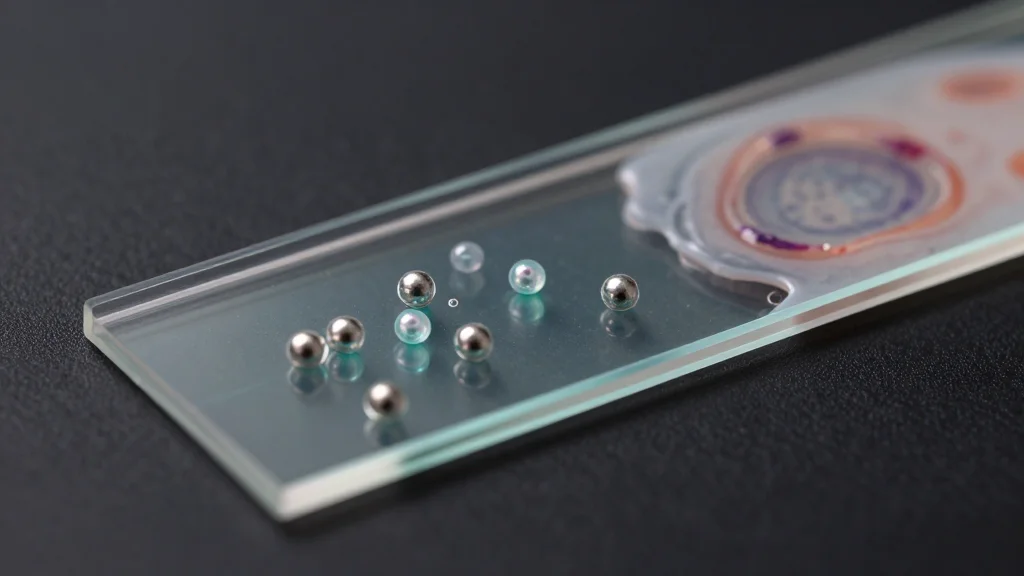
Janus Nanomotors Offer Active Delivery for Radiation‑Induced Dermatitis

Why It Matters
Radiation‑induced dermatitis affects up to 90% of patients receiving curative radiotherapy, often limiting dose escalation and compromising treatment outcomes. Current management relies on passive moisturizers and steroids, which provide inconsistent relief and can cause systemic side effects. By converting a biochemical by‑product of radiation into a propulsion source, Janus nanomotors offer a self‑sustaining, site‑specific delivery platform that could dramatically improve patient comfort and enable higher therapeutic radiation doses. Beyond oncology, the underlying propulsion principle—harnessing endogenous reactive oxygen species for movement—opens a new class of smart therapeutics for any condition characterized by localized oxidative stress, such as chronic wounds or inflammatory skin disorders. The ability to actively navigate tissue layers may also inspire next‑generation drug‑delivery systems in internal organs, where diffusion barriers have long limited nanomedicine efficacy.
Key Takeaways
- •Janus nanomotors use catalytic decomposition of skin‑generated hydrogen peroxide for autonomous movement
- •In vitro keratinocyte assays showed significant reduction in pro‑inflammatory cytokines
- •Murine models demonstrated marked decreases in erythema, edema, and histopathology versus standard creams
- •Biocompatibility tests revealed minimal cytotoxicity and rapid biodegradation after therapy
- •Phase I human safety trial planned for later 2026 to assess clinical translation
Pulse Analysis
The Janus nanomotor platform represents a paradigm shift from passive to active drug delivery in dermatology. Historically, nanomedicine has struggled with the ‘delivery gap’—the inability of nanoscale carriers to reach target cells in sufficient concentrations without invasive administration. By turning a pathological hallmark (excess hydrogen peroxide) into a propulsion engine, the researchers have effectively turned a liability into an asset, a strategy that could be replicated across other disease contexts.
From a market perspective, the global dermatology therapeutics market exceeds $30 billion, with a sizable segment devoted to radiation‑related skin care. If the nanomotor therapy can demonstrate safety and efficacy in human trials, it could capture a significant share of this niche, especially as oncology centers seek adjuncts that allow dose intensification without added toxicity. Moreover, the technology’s modularity—different therapeutic payloads can be loaded onto the same motor chassis—positions it for rapid expansion into wound‑healing and anti‑aging applications, potentially creating a multi‑indication platform.
Looking ahead, the biggest hurdle will be manufacturing consistency at scale. Asymmetric particle fabrication traditionally relies on labor‑intensive processes, and regulatory bodies will scrutinize batch‑to‑batch uniformity of propulsion characteristics. Partnerships with specialized nanofabrication firms or investment in high‑throughput microfluidic production lines will likely be necessary to move from bench to bedside. Nonetheless, the scientific proof‑of‑concept is compelling, and the upcoming Phase I trial will be a critical inflection point for investors and clinicians alike.
Janus Nanomotors Offer Active Delivery for Radiation‑Induced Dermatitis
Comments
Want to join the conversation?
Loading comments...