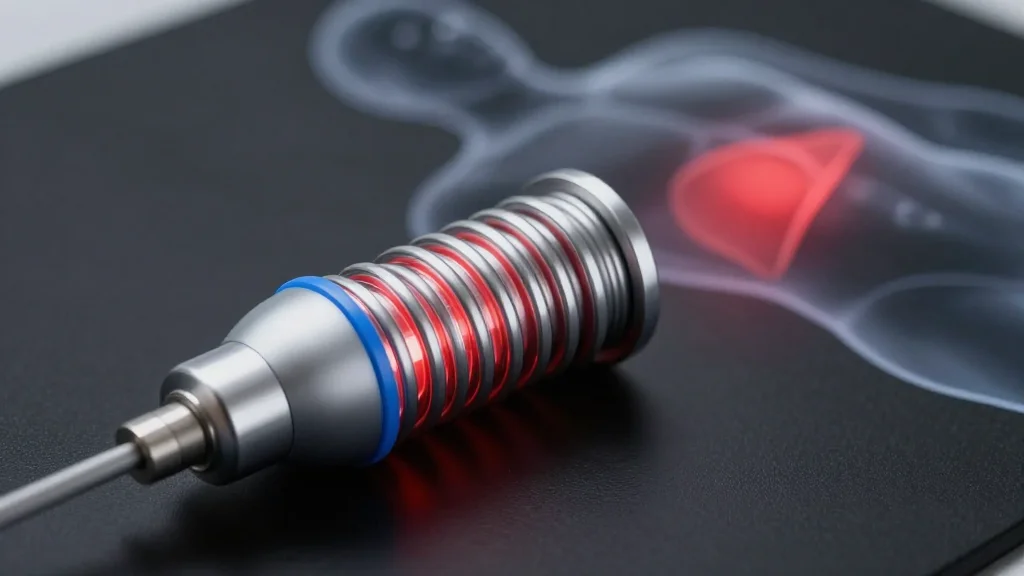
Mayo Clinic Starts Clinical Use of New Phase’s Magnetic Nanoparticle System to Ablate Tumors

Companies Mentioned
Why It Matters
The clinical introduction of magnetic‑nanoparticle hyperthermia bridges a gap between experimental nanomedicine and routine oncology practice. By demonstrating that precise, non‑invasive heating can selectively destroy cancer cells, the technology could broaden treatment options for patients with tumors that are refractory to surgery, radiation, or systemic drugs. Success at Mayo Clinic may also validate the broader class of nanoparticle‑mediated therapies, encouraging regulatory agencies to streamline pathways for similar devices. Beyond patient outcomes, the rollout underscores the growing convergence of materials science, medical device engineering, and clinical oncology. If the SaNP platform proves effective at scale, it could catalyze a wave of investment into magnetic nanomaterials, spurring competition and innovation across the nanotech sector.
Key Takeaways
- •Mayo Clinic treated its first patient with New Phase’s magnetic nanoparticle system in Dec 2025
- •Six stage‑4 metastatic cancer patients have received the investigational therapy under an FDA IDE
- •The SaNPs are heated to 50 °C (122 °F) using a low‑frequency alternating magnetic field
- •Mayo disclosed a financial interest in New Phase’s technology
- •The trial aims for broader enrollment by mid‑2026 to support a future PMA filing
Pulse Analysis
New Phase’s entry into a top-tier academic medical center marks a watershed for magnetic‑nanoparticle therapeutics. Historically, hyperthermia has been hampered by delivery challenges and limited adoption, but the EIS‑SaNP combo offers a scalable, non‑invasive solution that aligns with the precision‑medicine paradigm. The partnership also illustrates how early‑stage device companies can leverage the credibility and patient volume of institutions like Mayo to accelerate clinical validation.
From a market perspective, the technology could reshape the competitive landscape for oncology devices. Existing players such as Philips and Medtronic focus on imaging‑guided ablation or radiofrequency platforms; magnetic nanoparticle hyperthermia introduces a distinct mechanism that may be less dependent on operator skill and more amenable to outpatient settings. If efficacy data confirm tumor control comparable to standard of care, insurers may view the treatment as a cost‑effective alternative, especially for hard‑to‑reach lesions where surgery is prohibitive.
Looking forward, the key determinants of commercial success will be safety data on nanoparticle biodistribution, manufacturing scalability, and the ability to integrate the therapy with systemic treatments. A positive safety profile could unlock combination trials with immunotherapies, potentially creating a synergistic effect that amplifies anti‑tumor immunity. Conversely, any adverse findings related to long‑term iron‑oxide retention could stall regulatory progress. The next 12 months will be critical as Mayo’s expanded trial delivers the first robust efficacy signals, setting the stage for broader adoption or prompting a reassessment of the technology’s role in the oncology arsenal.
Mayo Clinic Starts Clinical Use of New Phase’s Magnetic Nanoparticle System to Ablate Tumors
Comments
Want to join the conversation?
Loading comments...