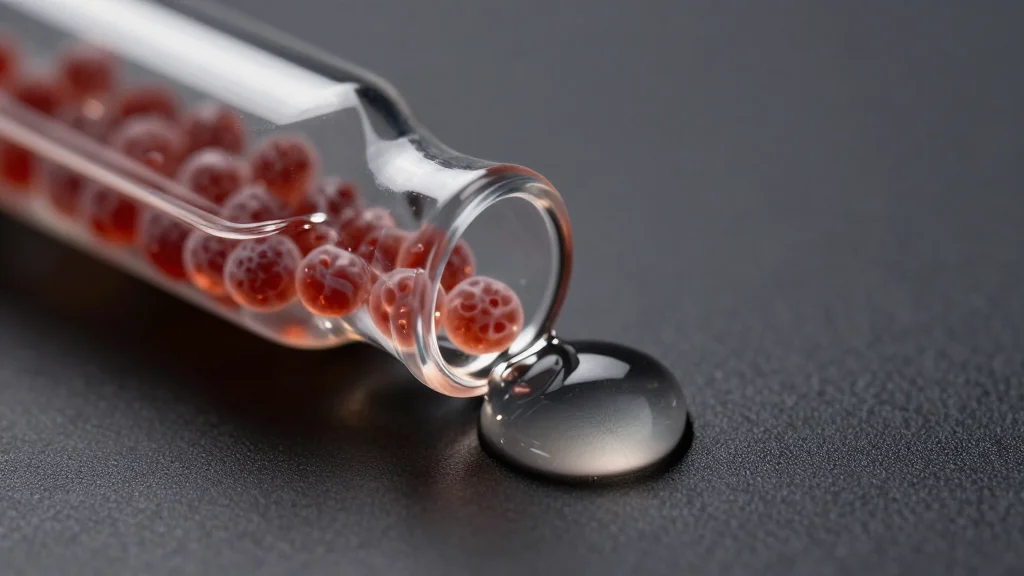
MIT Unveils Injectable “Mini‑liver” Constructs to Bridge Transplant Waitlist

Why It Matters
The development tackles two intertwined challenges: the acute shortage of donor livers and the high peri‑operative risk for patients with end‑stage liver disease. By providing a minimally invasive, functional bridge, the technology could reduce mortality on transplant waiting lists and alleviate pressure on organ procurement systems. Moreover, the use of nanoscale hydrogel scaffolds demonstrates how material science can unlock new therapeutic modalities, potentially accelerating the translation of other organ‑specific micro‑tissues. If the platform proves safe and effective in humans, it could reshape clinical pathways for liver disease, shifting some patients from emergency transplant urgency to a managed, staged approach. This would have downstream effects on hospital resource allocation, insurance reimbursement models, and the strategic focus of biotech investors targeting regenerative therapies.
Key Takeaways
- •MIT team creates injectable hydrogel microsphere constructs that house human hepatocytes.
- •Animal studies show sustained liver function for over two months without needing proximity to the native liver.
- •Published in Cell Biomaterials on April 26, 2026, the work targets patients on long transplant waitlists.
- •Potential market: >$30 billion global liver disease therapeutics market by 2030.
- •Next milestone: Phase I human trials anticipated within 18 months.
Pulse Analysis
The MIT mini‑liver represents a convergence of nanomaterials engineering and cell therapy, a combination that has been elusive until now. Historically, injectable cell therapies have faltered because the cells lack a supportive niche, leading to rapid apoptosis. By embedding hepatocytes in a nanoscale hydrogel that transitions from fluid to solid, the researchers solve the vascularization bottleneck, a lesson that could be replicated for pancreatic, cardiac, or neural applications.
From a market perspective, the timing aligns with heightened investor appetite for regenerative platforms that can demonstrate clear clinical endpoints. Venture capital has already poured over $5 billion into cell‑based therapies in the past two years, yet few have cleared the translational hurdle of functional integration. The mini‑liver’s ability to produce measurable proteins and enzymes in vivo offers a quantifiable efficacy metric that regulators and payers can track.
Looking ahead, the biggest uncertainty lies in immunogenicity. The current prototype still requires immunosuppression, which could limit its appeal for patients already burdened by complex medication regimens. Future iterations will need to incorporate immune‑evasive strategies—perhaps through CRISPR‑edited universal donor cells or encapsulation techniques that shield antigens. If those challenges are met, the platform could evolve from a bridge therapy into a long‑term, possibly curative, solution, reshaping the economics of liver disease management and setting a template for other organ‑specific nano‑engineered therapies.
MIT unveils injectable “mini‑liver” constructs to bridge transplant waitlist
Comments
Want to join the conversation?
Loading comments...