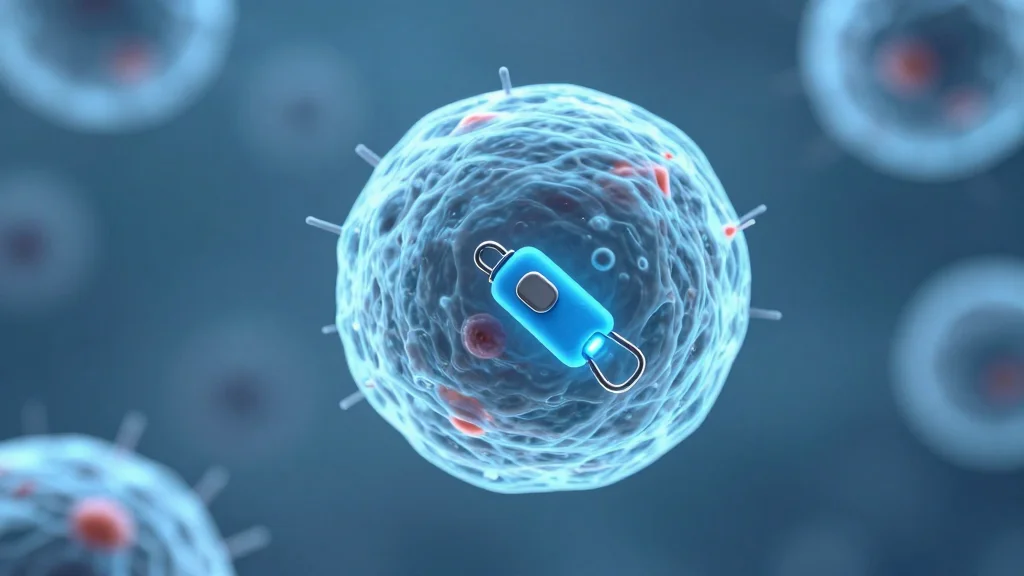
Molecular Grappling Hooks Boost Cancer Drug Retention and Tumor Shrinkage

Why It Matters
The ability to physically anchor therapeutics to tumor cells addresses a critical limitation of many current oncology drugs: rapid clearance from the target site. By extending the residence time of the drug within the tumor microenvironment, the RIP platform promises to widen the therapeutic window, allowing higher efficacy at lower systemic exposure. This could reduce the dose‑limiting toxicities that often halt promising compounds in late‑stage trials. Beyond oncology, the enzyme‑responsive anchoring strategy could be adapted for other diseases where tissue‑specific proteases are known, such as fibrosis or inflammatory disorders. The modularity of the peptide scaffold means that pharmaceutical companies could retrofit existing drug candidates with a grappling‑hook tag, potentially reviving pipelines that have stalled due to delivery challenges. In a market where nanomedicine investments have surged past $30 billion globally, a technology that demonstrably improves clinical outcomes could attract significant venture and corporate funding.
Key Takeaways
- •Researchers engineered restricted interaction peptides (RIPs) that bind fibroblast activation protein in tumors.
- •RIP‑drug conjugates showed greater tumor shrinkage and fewer side effects than the drug alone in mouse models.
- •The platform works with both small‑molecule chemotherapies and radioactive isotopes.
- •Michael Evans highlighted drug retention as a key, often‑overlooked factor in therapeutic efficacy.
- •Next steps include GMP‑scale peptide production and pre‑clinical safety studies before human trials.
Pulse Analysis
The molecular grappling hook represents a shift from passive nanocarriers to active, enzyme‑driven anchoring systems. Historically, nanomedicine has focused on improving pharmacokinetics through size, surface charge, and stealth coatings. This study adds a mechanical dimension: once the carrier reaches the tumor, it physically latches onto the cell membrane, effectively converting a fleeting encounter into a sustained interaction. That could resolve the long‑standing trade‑off between deep tissue penetration and rapid clearance.
From a competitive standpoint, the RIP technology could challenge established antibody‑drug conjugates (ADCs) that rely on antigen binding for specificity. While ADCs have achieved blockbuster status, they still suffer from heterogeneous tumor uptake and off‑target toxicity. A protease‑triggered anchor sidesteps the need for high‑affinity surface antigens, potentially broadening applicability across tumor subtypes that lack a universal marker. Companies with ADC pipelines may need to reassess their strategies, either by licensing the RIP platform or by developing hybrid constructs that combine antibody targeting with enzyme‑responsive anchoring.
Looking ahead, the biggest hurdle will be translating enzyme specificity from murine models to the heterogeneous protease landscape of human cancers. If the team can demonstrate that fibroblast activation protein is sufficiently overexpressed across patient populations, the technology could move quickly into Phase I trials. Success would not only validate a new class of nanotherapeutics but also set a precedent for designing drug carriers that exploit disease‑specific biochemical cues as mechanical levers. The industry will be watching closely, as the payoff could be a new paradigm for precision oncology.
Molecular Grappling Hooks Boost Cancer Drug Retention and Tumor Shrinkage
Comments
Want to join the conversation?
Loading comments...