Nanobiotix's Nanoprimer Boosts LNP‑DNA Immunotherapy Bioavailability, Cuts Toxicity

Companies Mentioned
Why It Matters
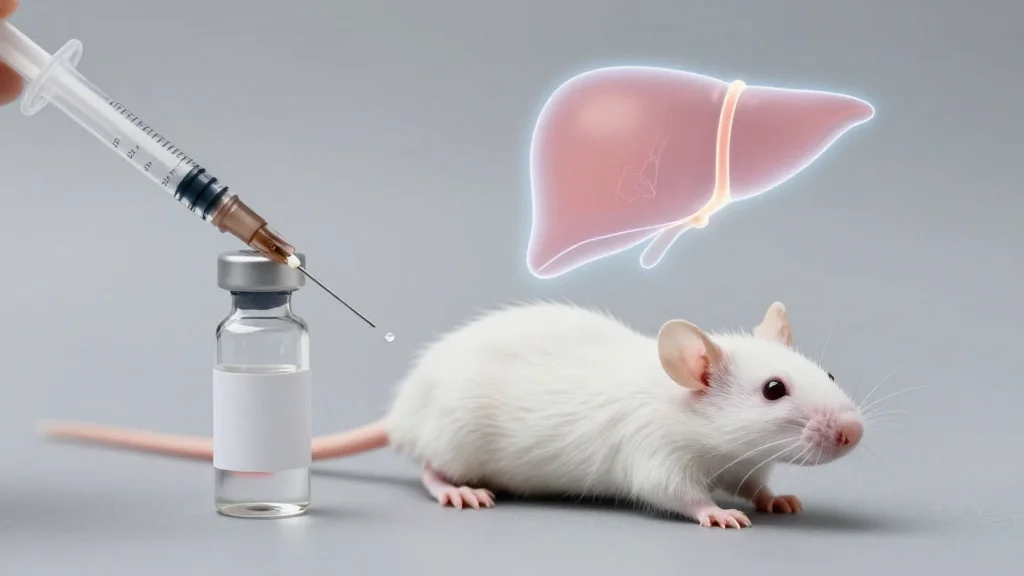
The Nanoprimer addresses a fundamental bottleneck in nanomedicine: the liver’s propensity to clear intravenously administered nanoparticles before they reach their intended targets. By temporarily blocking the mononuclear phagocyte system, the platform could broaden the therapeutic window for a host of LNP‑based drugs, from cancer vaccines to gene‑editing tools. This could accelerate the commercialization of next‑generation immunotherapies and reduce development costs for biotech firms that currently over‑dose to compensate for hepatic loss. Beyond immediate clinical impact, the technology signals a shift toward modular, companion‑nanotech solutions that can be paired with existing drug candidates. If successful, the Nanoprimer could become a standard pre‑treatment in the pipeline of companies developing LNP therapeutics, creating a new market for ancillary nanotech services and potentially reshaping partnership dynamics across the biotech sector.
Key Takeaways
- •Nanoprimer pre‑treatment raised systemic LNP‑DNA levels in mouse models
- •Liver toxicity markers and cGAS/STING inflammation were significantly reduced
- •Data presented at the 2026 AACR meeting in Paris and Cambridge, MA
- •Collaboration with Earli generated the preclinical results
- •Nanobiotix aims to start IND‑enabling studies for Nanoprimer in H2 2026
Pulse Analysis
Nanobiotix’s announcement arrives at a moment when the nanomedicine field is grappling with the paradox of powerful delivery vehicles that are simultaneously hamstrung by the body’s own clearance mechanisms. The Nanoprimer’s approach—temporarily saturating the MPS—mirrors strategies used in oncology to modulate the tumor microenvironment, but applies them systemically. If the concept holds in humans, it could unlock a wave of “dose‑sparing” opportunities, allowing developers to achieve the same therapeutic exposure with lower quantities of LNP‑encapsulated cargo. This would not only improve safety profiles but also reduce manufacturing costs, a critical factor as the market for LNP‑based therapeutics expands beyond vaccines into chronic disease and oncology.
From a competitive standpoint, Nanobiotix is positioning itself as a platform enabler rather than a pure drug developer. That mirrors the trajectory of companies like Alnylam, which built a business around RNAi delivery platforms before licensing them out. The dual‑path model—pursuing both internal pipelines and external collaborations—creates multiple revenue streams and mitigates the risk inherent in any single therapeutic candidate. However, the regulatory landscape for combination nanotechnologies remains under‑defined, and the company will need to navigate IND submissions that address both the Nanoprimer and the partner drug’s safety.
Investors should monitor three near‑term catalysts: the filing of an IND for Nanoprimer, the outcome of early‑phase clinical trials, and any partnership announcements with major LNP developers. A successful IND could trigger a re‑rating of Nanobiotix’s valuation, especially if the platform proves adaptable to RNA‑based modalities, which dominate current vaccine pipelines. Conversely, failure to demonstrate a clear safety advantage in humans could dampen enthusiasm and stall partnership talks. In any case, the Nanoprimer adds a new dimension to the nanotech toolbox, and its progress will be a bellwether for the broader adoption of companion nanotechnologies in drug development.
Nanobiotix's Nanoprimer Boosts LNP‑DNA Immunotherapy Bioavailability, Cuts Toxicity
Comments
Want to join the conversation?
Loading comments...