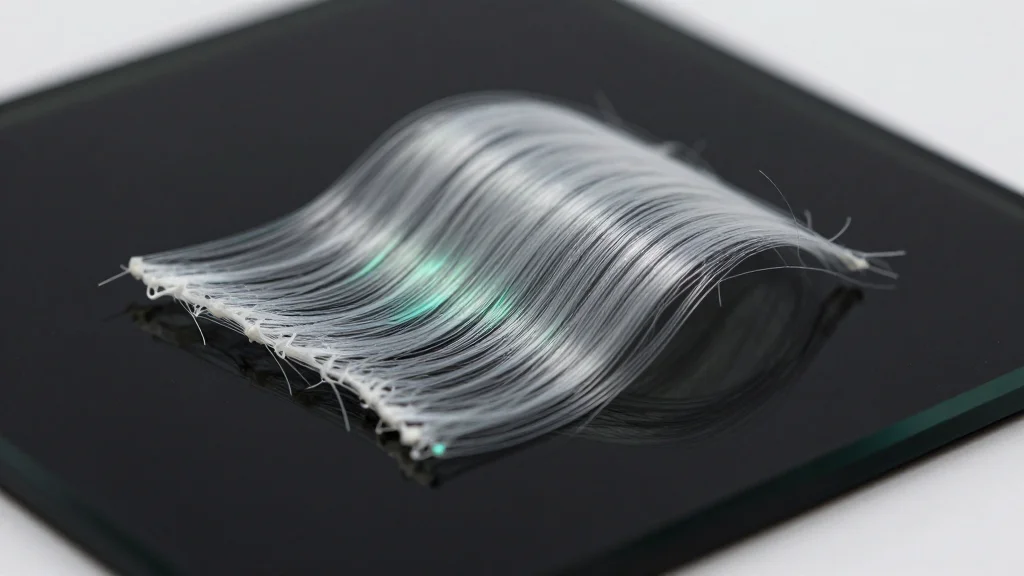
Nanofiber Mesh Implant Doubles Survival in Glioblastoma Mice

Why It Matters
Glioblastoma has a median survival of about 15 months despite aggressive surgery, radiation and chemotherapy. The NanoMesh approach tackles two major hurdles: the blood‑brain barrier that limits drug penetration, and tumor heterogeneity that drives resistance. By delivering a synergistic drug cocktail directly to the resection cavity, the platform promises higher efficacy with lower systemic toxicity. Beyond glioblastoma, the technology illustrates how nanofiber scaffolds can serve as programmable drug depots for a range of diseases where localized, sustained release is critical. Success could accelerate the adoption of nanotech‑enabled combination therapies across oncology, neurology and regenerative medicine.
Key Takeaways
- •Electrospun nanofiber mesh embeds temozolomide, acriflavine and PT2385.
- •Mouse studies showed a 100% increase in median survival compared with untreated controls.
- •Synergistic drug interaction was confirmed across multiple glioblastoma models.
- •Implant bypasses the blood‑brain barrier, delivering drugs directly to the tumor site.
- •Team plans IND filing in 2026 and Phase I trial start in early 2027.
Pulse Analysis
The NanoMesh breakthrough underscores a shift from systemic chemotherapy toward site‑specific, multi‑agent delivery. Historically, glioblastoma trials have struggled because single‑agent regimens cannot overcome the tumor’s genetic diversity and protective microenvironment. By co‑loading three agents that target distinct pathways—DNA damage (temozolomide), hypoxia signaling (acriflavine) and HIF‑2α inhibition (PT2385)—the implant creates a therapeutic pressure that is harder for cancer cells to evade.
From a market perspective, the platform could unlock value for pharmaceutical companies holding patents on the individual drugs. Licensing the nanofiber delivery system would allow them to extend product lifecycles without developing new molecules. Moreover, the use of already‑approved drugs may streamline regulatory approval, reducing time and cost compared with novel compound pipelines.
Looking ahead, the key challenge will be translating the murine efficacy into human safety. Manufacturing reproducibility, sterilization, and integration with neurosurgical workflows will be scrutinized by regulators. If the upcoming Phase I trial demonstrates tolerability, the next logical step will be a randomized study comparing NanoMesh plus standard of care against standard of care alone. Success could establish a new paradigm for treating infiltrative brain tumors, where localized, multi‑drug nanotech implants become a standard adjunct to surgery.
Nanofiber Mesh Implant Doubles Survival in Glioblastoma Mice
Comments
Want to join the conversation?
Loading comments...