Nanotube-Coated Catheter Could Detect Bladder Cancer Biomarker 50,000 Times More Sensitively
Why It Matters
Earlier, highly localized detection could reduce recurrence rates and the high costs associated with bladder‑cancer monitoring, while enabling less invasive, faster follow‑up care.
Key Takeaways
- •Sensor detects NMP-22 50,000× more sensitively than urine tests
- •Chemical imaging maps tumor location inside bladder tissue
- •Prototype could replace annual cystoscopy with office‑based screening
- •Early detection may cut recurrence treatment costs dramatically
- •Platform adaptable to other cancers and gastrointestinal diseases
Pulse Analysis
Bladder cancer remains a clinical challenge in the United States, with roughly 85,000 new cases each year and a 50% five‑year recurrence rate after treatment. Current surveillance relies on periodic cystoscopy and urine‑based assays that often miss early‑stage tumors because biomarkers become diluted or degraded. The high cost of repeated procedures and the invasive nature of cystoscopy drive demand for a more sensitive, patient‑friendly diagnostic tool that can catch recurrences before they become clinically apparent.
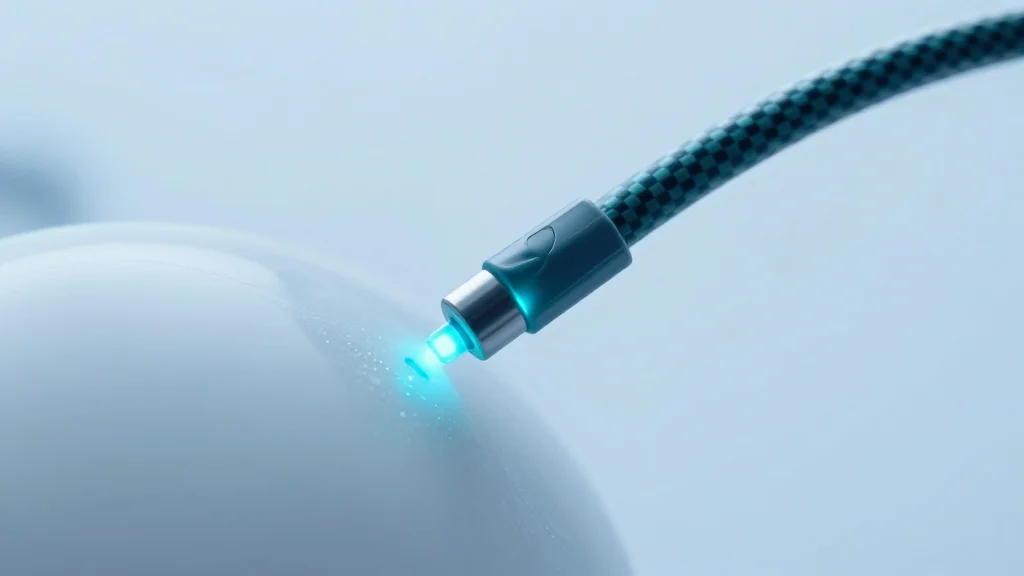
The MIT team, led by Professor Michael Strano, leverages carbon nanotubes functionalized with synthetic‑antibody polymers to create nanosensors that fluoresce when they bind the FDA‑approved NMP‑22 protein. Integrated onto a urinary catheter, the sensors are interrogated by a rotating ball lens that emits laser light and records the resulting fluorescence, producing a chemical image that reveals both the presence and precise location of tumor cells. In pre‑clinical trials the device demonstrated a 180‑fold sensitivity boost over conventional urinalysis and could detect lesions as small as 16 mm², effectively acting as a molecular camera inside the bladder.
If translated to clinical practice, this technology could shift bladder‑cancer monitoring from costly, invasive cystoscopies to quick, office‑based scans, lowering healthcare expenditures and improving patient quality of life. Moreover, the modular polymer chemistry behind the nanosensors means the platform can be retuned for other biomarkers, opening pathways to detect gastrointestinal, cardiovascular, or even infectious diseases during routine endoscopic procedures. Continued miniaturization and regulatory clearance could see these nanotube‑coated catheters become a standard component of precision oncology workflows within the next decade.
Nanotube-coated catheter could detect bladder cancer biomarker 50,000 times more sensitively
Comments
Want to join the conversation?
Loading comments...