NTU Singapore, SUSTech, and Lipigon Advance Inhaled Nanocarrier Therapy for Severe Lung Infections

Why It Matters
The development bridges nanotechnology and RNA therapeutics, two of the most dynamic fields in modern medicine. By delivering a targeted RNA payload via an inhaled nanocarrier, the approach could overcome the systemic toxicity that has limited previous anti‑inflammatory strategies. Successful translation would not only provide a new tool against severe viral and bacterial lung infections but also validate a platform that could be adapted for other pulmonary diseases, such as chronic obstructive pulmonary disease (COPD) and asthma. Moreover, the collaboration underscores Singapore’s strategic push to become a hub for advanced biotech, leveraging its strong academic institutions and supportive regulatory environment. If the therapy reaches market, it could catalyze further investment in RNA‑based nanomedicines across the Asia‑Pacific region, reshaping the global competitive landscape.
Key Takeaways
- •NTU Singapore, SUSTech, and Lipigon advance inhaled nanocarrier therapy targeting ANGPTL4 into primate studies.
- •Pre‑clinical data show reduced lung inflammation, fluid leakage, and fibrosis in bacterial pneumonia and viral influenza models.
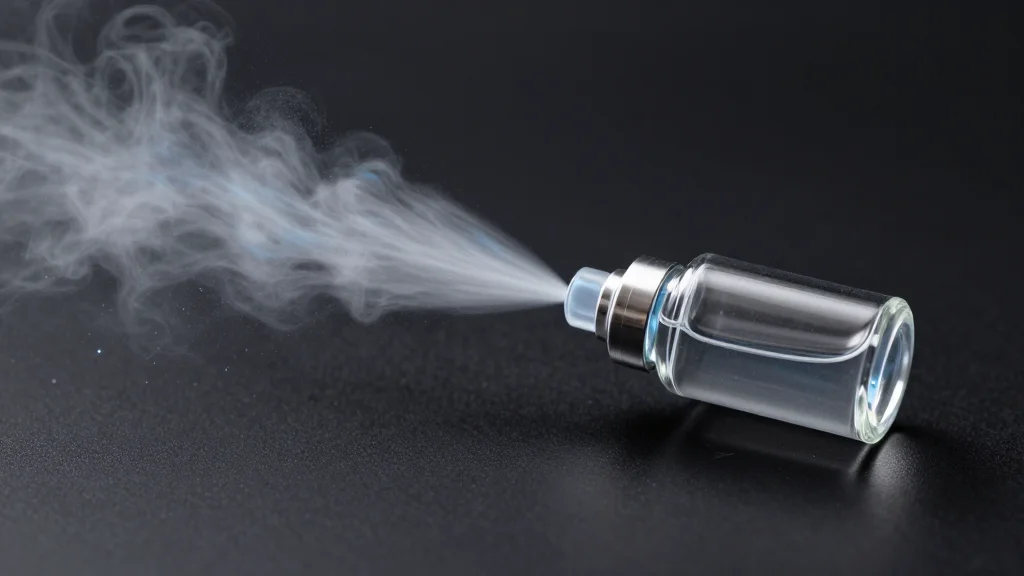
- •Therapy uses an RNA‑based nanocarrier delivered by inhalation, mirroring asthma inhaler technology.
- •Next steps: non‑human primate safety evaluation, IND filing with FDA and Singapore regulators, and Phase 1 trials within 12‑18 months.
- •Success could position Singapore as a leader in RNA‑medicine and open a new market segment for nanotech‑enabled respiratory drugs.
Pulse Analysis
The NTU‑SUSTech‑Lipigon alliance reflects a maturation of nanotech drug delivery from proof‑of‑concept to regulatory‑ready programs. Historically, inhaled therapies have been limited to small‑molecule bronchodilators; the shift to nucleic‑acid‑based agents marks a paradigm change. The nanocarrier platform solves two critical challenges: protecting the RNA payload from degradation and achieving deep alveolar penetration without systemic spillover. This technical advantage could give the consortium a defensible edge over competitors pursuing systemic anti‑inflammatory biologics, which often face dose‑limiting toxicities.
From a market perspective, the global anti‑inflammatory drug market is projected to exceed $70 billion by 2028, yet the segment for ARDS and severe infection‑related lung injury remains fragmented. An inhaled, targeted therapy could capture a niche that bridges acute care and post‑infection rehabilitation, especially as post‑COVID‑19 pulmonary sequelae drive demand for novel interventions. The partnership’s multinational composition also spreads risk and leverages diverse funding ecosystems, a model that may become standard as nanomedicine development costs rise.
Looking ahead, the key determinants of success will be regulatory acceptance of the nanocarrier’s safety profile and the ability to scale manufacturing under GMP. If the IND is cleared and early‑phase trials demonstrate favorable pharmacodynamics, the therapy could attract strategic partnerships with major pharma players seeking to expand their respiratory pipelines. Conversely, any setbacks in primate safety could stall momentum, underscoring the high stakes of translating nanotech innovations into clinical reality.
NTU Singapore, SUSTech, and Lipigon Advance Inhaled Nanocarrier Therapy for Severe Lung Infections
Comments
Want to join the conversation?
Loading comments...