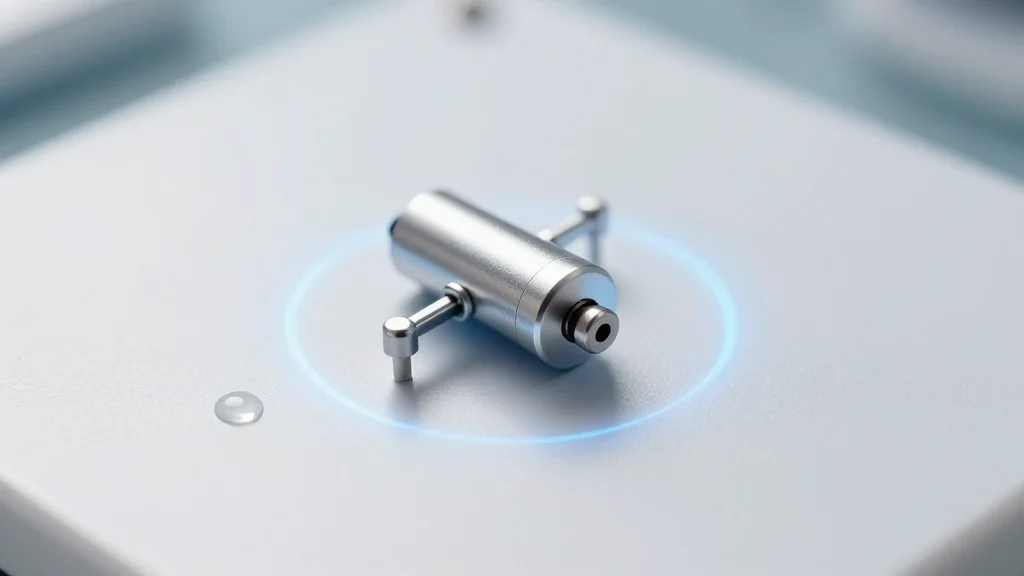
NTU Unveils 4.4mm Magnetic Nanorobot with Five‑degree Motion for Future Surgery

Why It Matters
The NTU nanorobot bridges a critical gap between laboratory prototypes and clinically viable tools. By combining multiple surgical functions in a sub‑5mm platform, it challenges the prevailing notion that miniature robots must sacrifice capability for size. This could accelerate adoption of magnetic‑driven interventions across specialties that currently rely on invasive instruments, reshaping surgical workflows and patient outcomes. Beyond immediate medical applications, the robot’s modular magnetic architecture may inspire new classes of nanodevices for targeted drug delivery, localized diagnostics and even non‑medical fields such as micro‑manufacturing or environmental remediation, where precise actuation at the millimetre scale is valuable.
Key Takeaways
- •4.4mm magnetic nanorobot can roll, cut, grip, release drugs and generate heat
- •Five degrees of freedom give superior navigation on uneven internal surfaces
- •Developed over seven years with funding from NTU Start‑up Grant, A*STAR and NHG Group
- •Potential initial applications in ophthalmology and ENT procedures
- •Miniaturisation target of 1.5mm expands scope to broader keyhole surgeries
Pulse Analysis
The NTU breakthrough arrives at a moment when the global nanorobotics market, projected to exceed $2 billion by 2030, is hungry for multifunctional platforms that can justify regulatory investment. Historically, magnetic microrobots have been limited to simple locomotion, forcing clinicians to pair them with external tools for therapeutic actions. By embedding cutting, gripping and hyperthermia capabilities within a single 4.4mm chassis, NTU not only raises the performance ceiling but also simplifies the supply chain—fewer ancillary devices mean lower procedural complexity and cost.
From a competitive standpoint, the robot’s rolling motion differentiates it from contemporaries such as Harvard’s magnetic swimmers and Germany’s micro‑grippers, which rely on planar or helical propulsion. Rolling adds a degree of freedom that can be exploited in confined anatomical corridors, potentially unlocking procedures that are currently deemed too risky for robotic assistance. However, the path to clinical adoption will hinge on robust safety data, especially regarding magnetic field exposure limits and long‑term biocompatibility. NTU’s partnership with A*STAR and NHG Group provides a credible translational pipeline, but scaling manufacturing to meet medical‑grade standards will require significant capital and partnership with established med‑tech firms.
Looking ahead, the integration of real‑time imaging—perhaps via ultrasound or MRI‑compatible markers—could transform the robot from a proof‑of‑concept into a bedside tool within the next five years. If successful, the technology could catalyze a wave of ultra‑miniature, multifunctional devices that operate autonomously inside the body, redefining the boundaries of minimally invasive care.
NTU unveils 4.4mm magnetic nanorobot with five‑degree motion for future surgery
Comments
Want to join the conversation?
Loading comments...