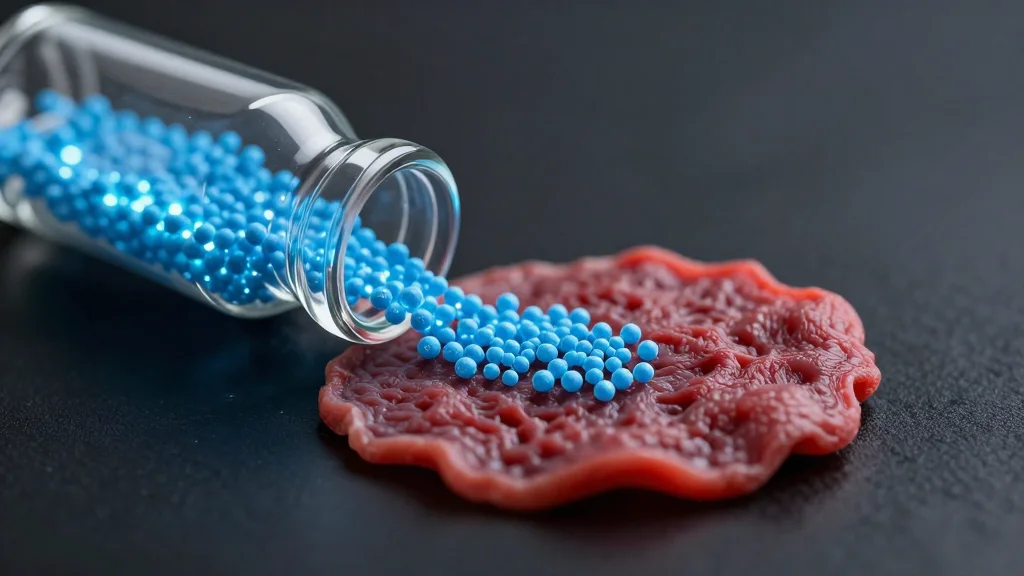
Pfizer Unveils Nanoparticle Platform to Sharpen Cancer Treatment

Companies Mentioned
Why It Matters
Nanotechnology offers a route to address one of oncology’s biggest challenges: delivering potent drugs to tumors without harming normal tissue. Pfizer’s entry into this space validates the therapeutic potential of nanoscale carriers and may accelerate industry‑wide adoption. If the platform proves effective, it could lower development costs by repurposing existing drugs with a new delivery method, shortening time to market and expanding treatment options for patients with hard‑to‑treat cancers. Beyond Pfizer, the announcement may spur additional funding for academic and startup research focused on nanoparticle engineering, creating a virtuous cycle of innovation. Regulators will also need to adapt evaluation frameworks for nanomedicines, potentially setting new standards for safety and efficacy assessments.
Key Takeaways
- •Pfizer launches a nanoparticle platform aimed at precise tumor targeting
- •Particles are engineered to be small enough for a million to fit inside a single cell
- •Program is led by Puja Sapra, head of Targeted Therapeutics Unit in Oncology R&D
- •Pre‑clinical work slated for Q4 2026 with first‑in‑human trials planned for 2027
- •Pfizer partners with the Smithsonian to produce a public science video series
Pulse Analysis
Pfizer’s foray into nanotechnology reflects a strategic pivot toward platform technologies that can be layered onto its existing drug portfolio. Historically, the company has relied on blockbuster small‑molecule and biologic launches; however, the competitive pressure from emerging biotech firms and the plateauing of traditional chemotherapy efficacy have forced a reassessment of growth levers. By investing in a delivery platform, Pfizer can potentially rejuvenate legacy assets, extend patent life, and create differentiated combination therapies.
The timing aligns with a broader industry trend where large pharma is acquiring or partnering with nanotech specialists to accelerate internal capabilities. Unlike pure‑play nanomedicine startups, Pfizer brings deep clinical development expertise, global manufacturing capacity, and a robust regulatory track record. This combination could shorten the path from bench to bedside, but it also raises questions about scalability and reproducibility of nanoparticle synthesis at commercial volumes. Success will depend on rigorous quality control and clear guidance from the FDA, which has historically been cautious with novel nanomaterials.
If Pfizer’s platform demonstrates a meaningful reduction in adverse events, it could set a new benchmark for safety in oncology, influencing payer policies and patient preferences. The ripple effect may encourage competitors to prioritize nanotech delivery solutions, potentially reshaping the R&D landscape over the next decade. Investors will be watching early trial data closely, as it could either validate a multi‑billion‑dollar opportunity or underscore the technical hurdles that have slowed nanomedicine adoption to date.
Pfizer Unveils Nanoparticle Platform to Sharpen Cancer Treatment
Comments
Want to join the conversation?
Loading comments...