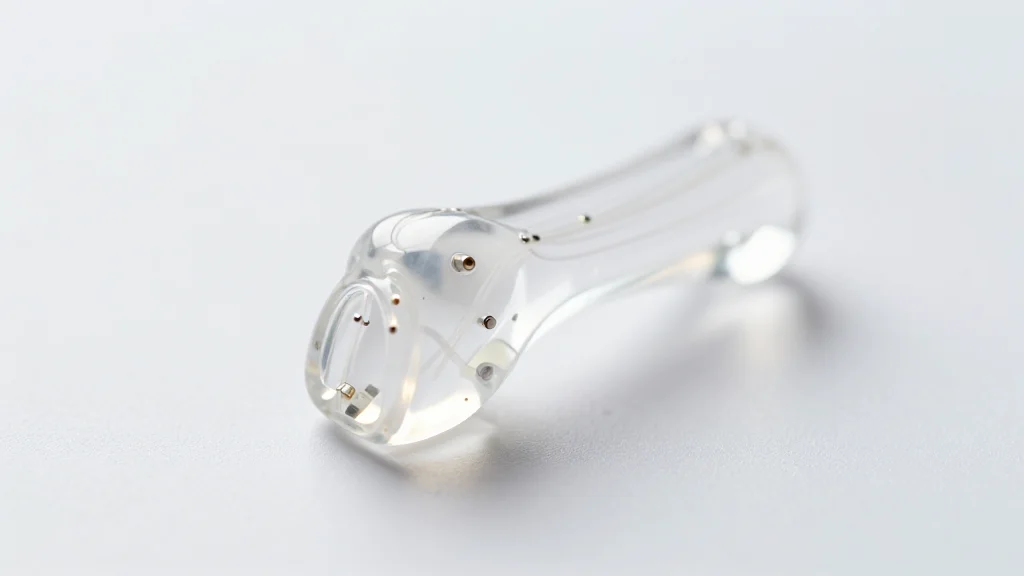
Researchers Unveil Sensor‑integrated Joint‑on‑chip Platforms for Real‑time Disease Monitoring

Why It Matters
Real‑time, multi‑modal sensing within joint‑on‑chip systems addresses a critical bottleneck in musculoskeletal research: the inability to observe disease dynamics as they unfold. By providing continuous, nondestructive data, the technology accelerates hypothesis testing, reduces reliance on animal models, and opens the door to personalized medicine approaches for arthritis. In the broader nanotech arena, the work showcases how nanoscale sensors can be seamlessly embedded in complex microfluidic environments, setting a precedent for other organ‑on‑chip applications such as heart, lung and brain models. The study also signals a market opportunity for companies that specialize in micro‑fabricated sensors, data‑integration platforms and bio‑analytics. As pharmaceutical firms seek more predictive pre‑clinical tools, demand for turnkey JoC solutions with built‑in sensing is likely to rise, potentially spurring new partnerships and investment in nanofabrication capabilities.
Key Takeaways
- •Mantegazza et al. published a paper integrating optical, electrical, mechanical and biochemical sensors into JoC platforms.
- •The new system enables continuous monitoring of pH, cytokines, stiffness and metabolism, replacing endpoint‑only analyses.
- •Real‑time data can accelerate arthritis drug discovery and reduce animal testing.
- •Authors stress the need for standardized sensor fabrication to achieve high‑throughput screening.
- •The work exemplifies a broader nanotech trend toward fully instrumented organ‑on‑chip platforms.
Pulse Analysis
The sensor‑integrated JoC platform arrives at a moment when the biotech industry is aggressively pursuing more predictive, human‑relevant models. Traditional 2‑D cell cultures and animal studies have long been criticized for their limited translational value, especially in complex, multi‑tissue diseases like osteoarthritis. By marrying nanoscale sensing with microfluidic tissue engineering, the new approach offers a hybrid solution that captures both the spatial architecture of joint tissue and the temporal evolution of disease markers.
Historically, organ‑on‑chip technologies have struggled with data acquisition; most systems rely on periodic sampling or destructive assays, which interrupt the experiment and introduce variability. The multi‑sensor array described by Mantegazza’s team eliminates that gap, delivering a continuous stream of quantitative metrics. This not only improves experimental fidelity but also creates a rich dataset amenable to machine‑learning analysis, a capability that could unlock predictive biomarkers for disease progression.
From a competitive standpoint, the paper positions academic labs as early innovators, but commercial translation will hinge on the ability to mass‑produce reliable nanosensors and integrate them with user‑friendly software. Companies that can provide modular sensor kits, cloud‑based analytics, and regulatory‑compliant workflows will likely capture the emerging market. In the next 12‑18 months, we can expect pilot collaborations between JoC researchers and pharma partners, followed by venture capital interest in startups that specialize in nanotech‑enabled bio‑sensing. The success of this integration could set a template for other organ‑on‑chip domains, accelerating the overall shift toward real‑time, patient‑specific therapeutic development.
Researchers unveil sensor‑integrated joint‑on‑chip platforms for real‑time disease monitoring
Comments
Want to join the conversation?
Loading comments...