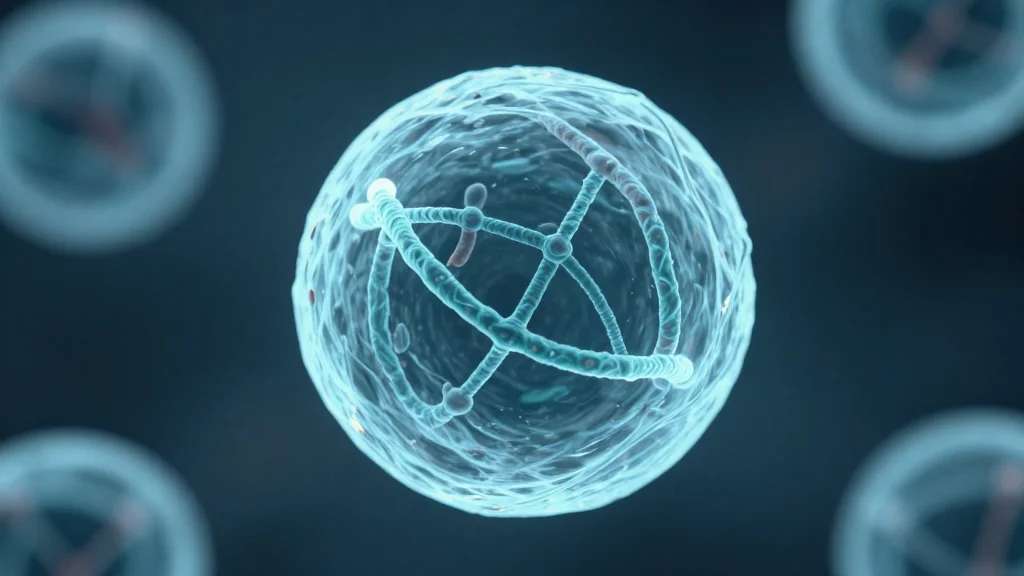
Rutgers‑Newark Engineers First Self‑Assembling RNA Nanostructures Inside Living Cells

Why It Matters
The ability to program living cells from within represents a paradigm shift for nanomedicine. By turning the cell into a factory for its own therapeutic agents, the technology promises to overcome delivery bottlenecks that have hampered RNA‑based drugs for years. In oncology, where tumor heterogeneity often renders single‑target drugs ineffective, a multiplexed, reprogrammable approach could dramatically improve response rates and reduce resistance. Beyond cancer, the platform could be adapted for genetic disorders, viral infections, and tissue regeneration, positioning RNA nanotechnology as a universal toolkit for cellular engineering. Its success will also influence regulatory policy, as agencies grapple with defining and approving programmable biologics that act more like software than traditional pharmaceuticals.
Key Takeaways
- •Rutgers‑Newark team creates self‑assembling RNA nanostructures that function inside living human cells
- •Published in *Nature Communications*; research accepted April 23, 2026
- •Demonstrated simultaneous targeting of multiple oncogenic genes in cancer cell cultures
- •Platform offers a programmable, modular alternative to conventional RNA drug delivery
- •Next steps include mouse‑model validation and potential biotech partnerships for scale‑up
Pulse Analysis
The Rutgers‑Newark breakthrough arrives at a moment when the biotech industry is racing to translate RNA’s promise into durable therapeutics. Historically, RNA’s instability and delivery challenges have limited its clinical impact to vaccines and a handful of antisense drugs. By embedding the synthetic blueprint within the cell’s own transcriptional machinery, the new platform sidesteps extracellular barriers and leverages the cell’s native processing pathways, a move that could redefine cost structures and timelines for drug development.
From a competitive standpoint, the technology positions academic research as a direct challenger to established biotech firms that have invested heavily in lipid‑nanoparticle delivery systems. Companies like Moderna and BioNTech may need to pivot toward intracellular manufacturing strategies to stay relevant. Meanwhile, the modular nature of the RNA nanostructures aligns with the growing trend toward personalized medicine, allowing rapid redesign for patient‑specific mutations—a capability that could attract venture capital seeking differentiated, defensible IP.
Regulatory bodies will face a novel dilemma: how to evaluate a therapeutic that essentially rewrites cellular code on demand. Existing frameworks for gene therapy and biologics may prove inadequate, prompting a need for new guidelines that address programmable risk, off‑target effects, and long‑term safety. The outcome of these policy discussions will shape the speed at which such nanorobotic therapies reach the market and could set precedents for future synthetic biology applications.
Overall, the Rutgers‑Newark RNA nanotechnology not only offers a tangible path toward more effective cancer treatments but also signals a broader shift toward programmable, intracellular therapeutics. Its success could catalyze a wave of investment in nanorobotics, accelerate the convergence of synthetic biology and nanomedicine, and ultimately expand the therapeutic arsenal beyond what is possible with conventional drugs.
Rutgers‑Newark Engineers First Self‑Assembling RNA Nanostructures Inside Living Cells
Comments
Want to join the conversation?
Loading comments...