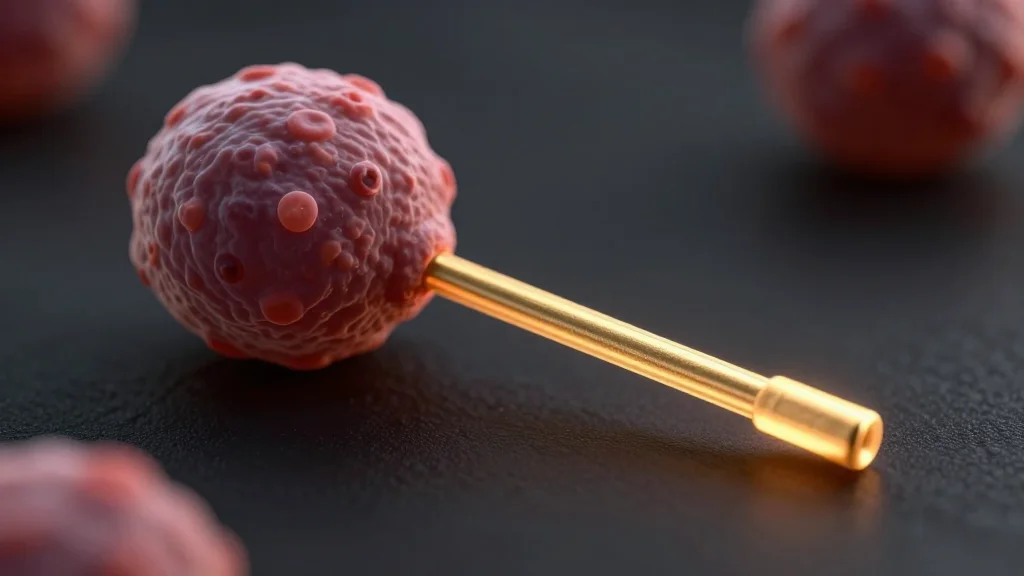
Sona Nanotech Reports 60% Complete Response Rate in First‑Human Melanoma Trial

Why It Matters
The results signal a potential breakthrough for patients with immunotherapy‑resistant melanoma, a cohort that currently faces limited options and poor prognosis. By leveraging gold‑nanorod photothermal technology, Sona demonstrates how nanotech can move beyond diagnostics into therapeutic applications that directly modulate the tumor microenvironment. Beyond melanoma, the platform could be adapted to other solid tumors where heat‑induced immunogenic cell death may enhance the efficacy of existing treatments. If validated in larger trials, Sona’s approach may catalyze broader investment in nanocarrier‑based hyperthermia, prompting pharmaceutical companies to explore combination strategies that integrate nanotech with checkpoint inhibitors, CAR‑T cells, or targeted therapies.
Key Takeaways
- •Six of ten late‑stage melanoma patients achieved complete tumor regression (60% response)
- •Data presented at AACR in San Diego and slated for ASCO presentation in May‑June 2026
- •Therapy uses CTAB‑free gold nanorods to deliver 42‑48 °C infrared‑induced heat
- •Targets immunotherapy‑resistant solid tumors, addressing a gap affecting ~50% of advanced melanoma cases
- •Company plans Phase II trial and manuscript submission later in 2026
Pulse Analysis
Sona Nanotech’s early data arrives at a moment when the oncology sector is aggressively hunting adjunctive technologies to overcome checkpoint‑inhibitor resistance. Historically, hyperthermia has been limited by imprecise delivery and systemic toxicity; Sona’s nanorod platform sidesteps those hurdles by confining heat generation to the tumor site while avoiding the surfactant CTAB, a known source of toxicity. This technical refinement could lower the barrier for regulatory approval, especially if safety data remain favorable in larger cohorts.
From a market perspective, the announcement may recalibrate valuation models for nanomedicine firms that have struggled to demonstrate clinical relevance. Investors have been wary of pure‑play nanotech companies that rely on long development timelines. A 60% complete response rate, even in a tiny cohort, provides a tangible efficacy signal that could attract strategic partnerships with larger biotech or pharma players seeking to diversify their immuno‑oncology pipelines. Moreover, the upcoming ASCO platform offers a high‑visibility venue to convert scientific interest into commercial momentum.
Looking forward, the key determinants of Sona’s trajectory will be the reproducibility of these results in a statistically powered Phase II study and the ability to integrate the therapy into existing treatment algorithms without prohibitive cost or logistical complexity. If the company can demonstrate that its hyperthermia can reliably re‑sensitize tumors to immunotherapy, it may not only carve out a niche in melanoma but also set a precedent for nanotech‑enabled thermal therapies across a spectrum of solid cancers.
Sona Nanotech Reports 60% Complete Response Rate in First‑Human Melanoma Trial
Comments
Want to join the conversation?
Loading comments...