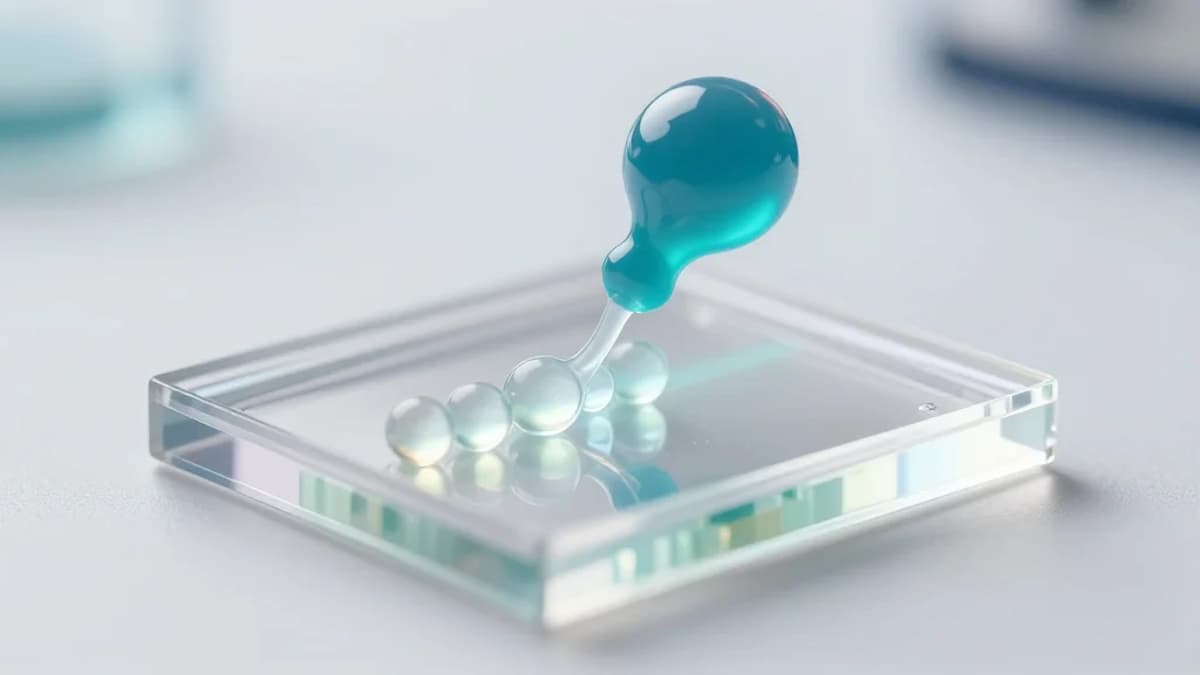
System Isolates Single Extracellular Vesicle Surface Proteins to Map Function
•February 24, 2026
0
Why It Matters
Pinpointing EV protein functions turns vague carriers into programmable drug delivery vectors, shortening development cycles for next‑generation biologics. This breakthrough could reshape therapeutic pipelines across oncology and neurology.
Key Takeaways
- •VESSEL isolates single EV surface proteins for functional study
- •Cell‑free synthesis enables rapid, scalable protein production
- •CADM1 identified as key mediator of vesicle uptake
- •Platform creates a biological dictionary for extracellular vesicles
- •Engineered EVs could target cancer and neurological diseases
Pulse Analysis
Extracellular vesicles (EVs) have emerged as natural nanocarriers that shuttle nucleic acids and proteins between cells, influencing tissue repair, immune modulation, and neuroprotection. Yet, the functional relevance of individual surface proteins has remained opaque, limiting the ability to harness EVs for precise therapeutic purposes. Traditional isolation methods capture heterogeneous mixtures, obscuring the contribution of each protein to vesicle targeting, uptake, or signaling, and creating a bottleneck for translational research.
The VESSEL platform addresses this gap by leveraging cell‑free protein synthesis to generate EV mimetics displaying a single, defined surface protein. This modular system is both rapid—producing proteins in hours rather than days—and scalable, allowing laboratories and biotech firms to systematically interrogate dozens of candidates without extensive cell culture. By creating a library of single‑protein EVs, VESSEL effectively builds a biological dictionary that maps each protein to its cellular behavior, accelerating hypothesis testing and reducing experimental noise.
Early results underscore the platform’s therapeutic promise. Using VESSEL, researchers identified CADM1 as a potent facilitator of vesicle internalization, a finding that could be exploited to improve delivery of cargo to target tissues. Such insights pave the way for engineered EVs tailored to treat cancer, neurodegenerative disorders, and regenerative injuries. As the biotech industry seeks more precise, biocompatible delivery vehicles, VESSEL offers a scalable tool to translate EV biology into next‑generation biologics, potentially reshaping drug development pipelines across multiple disease domains.
System isolates single extracellular vesicle surface proteins to map function
0
Comments
Want to join the conversation?
Loading comments...