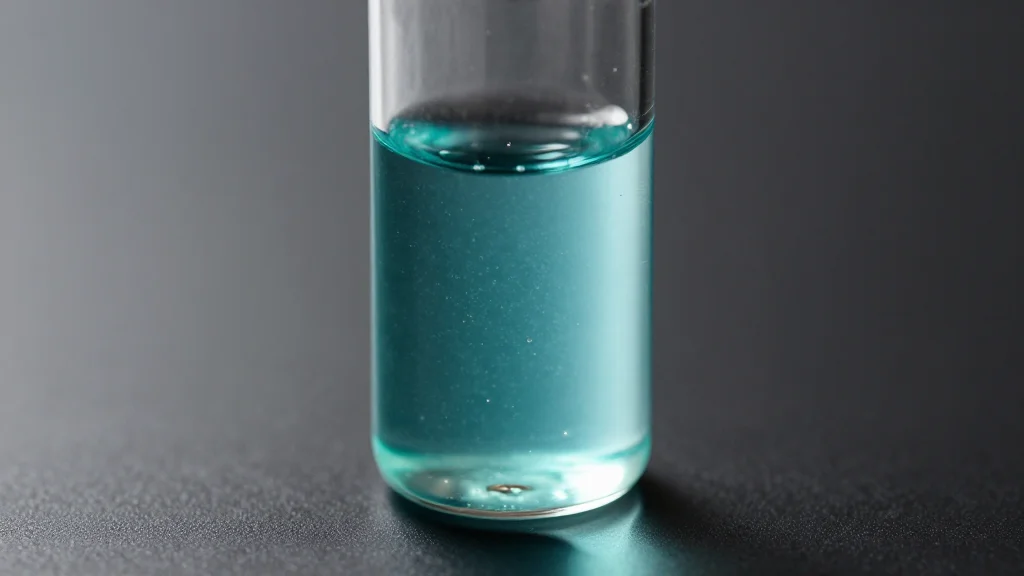
Tehran Researchers Unveil Light‑Activated Nanocatalyst that Boosts Melanoma Cell Kill

Why It Matters
The development signals a shift toward therapies that combine nanotechnology with external activation cues, offering a route to treat tumors with spatial precision. By generating both ROS and hydrogen, the platform attacks cancer cells on two metabolic fronts, which may reduce the likelihood of resistance that hampers many targeted drugs. Beyond melanoma, the underlying chemistry could be adapted to other superficial or endoscopically accessible cancers, expanding the impact of light‑activated nanomedicine across oncology. The work also contributes to the broader nanotech ecosystem by demonstrating how surface coatings like chitosan can reconcile biocompatibility with functional performance, a key hurdle for many nanomedical candidates.
Key Takeaways
- •University of Tehran team creates a photochemical nanocatalyst using graphitic carbon nitride, platinum, chitosan and iron ions
- •Visible‑light exposure triggers a photo‑Fenton reaction that boosts ROS production and hydrogen generation
- •Nanocomposite reduces tumor ATP levels, intensifying cell death in melanoma cultures
- •Chitosan coating improves biocompatibility and structural stability under repeated illumination
- •Researchers aim to begin animal studies later in 2026, targeting early human trials thereafter
Pulse Analysis
The Tehran nanocatalyst arrives at a moment when the oncology market is hungry for alternatives to systemic chemotherapy and immunotherapy, both of which carry significant side‑effect burdens. Photodynamic therapy (PDT) has carved out a niche for skin and head‑and‑neck cancers, but its efficacy is limited by the depth of light penetration and the reliance on a single reactive species. By integrating a hydrogen‑producing pathway, the new nanocatalyst addresses a critical weakness of conventional PDT: the ability of cancer cells to recover from oxidative stress using their own antioxidant defenses. The simultaneous depletion of ATP further cripples cellular repair mechanisms, potentially delivering a more irreversible kill.
From a commercial perspective, the technology could attract interest from biotech firms specializing in nanomedicine and from medical‑device manufacturers that produce light‑delivery systems. The dual‑function nature of the catalyst may justify premium pricing if clinical data confirm superior outcomes. However, the path to market will hinge on navigating regulatory scrutiny around nanomaterials, especially regarding long‑term biodistribution and clearance. Early engagement with agencies such as the FDA’s Center for Drug Evaluation and Research will be essential to define acceptable safety endpoints.
Looking ahead, the platform’s modular design suggests it could be re‑engineered for other wavelengths or combined with targeting ligands to address deeper or less accessible tumors. If the upcoming animal studies validate the in‑vitro potency, the nanocatalyst could become a cornerstone of next‑generation, minimally invasive cancer therapies, reshaping treatment algorithms for melanoma and beyond.
Tehran Researchers Unveil Light‑Activated Nanocatalyst that Boosts Melanoma Cell Kill
Comments
Want to join the conversation?
Loading comments...