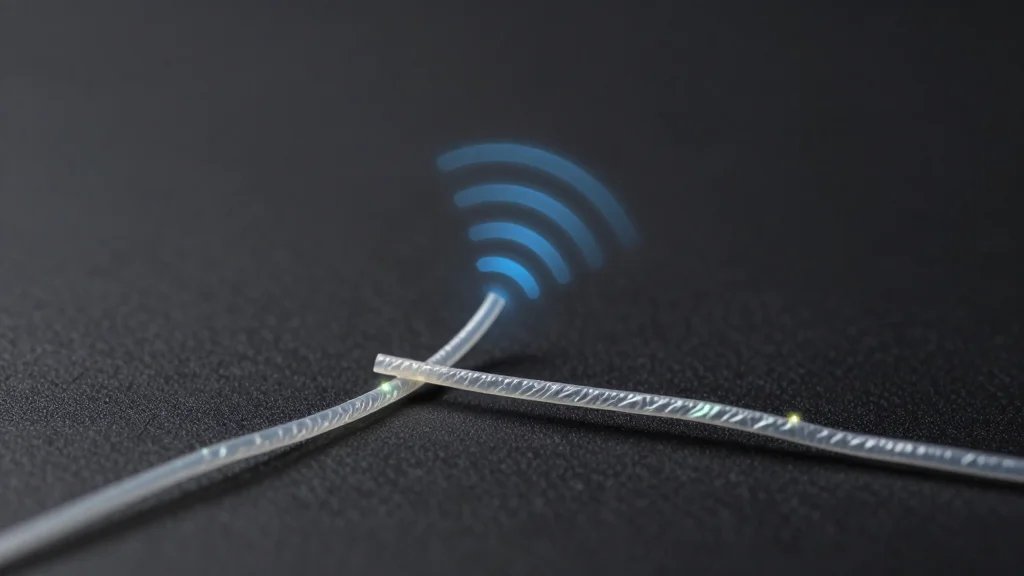
Theranostic Fiber with Micro‑Wrinkles Promises Real‑Time Health Monitoring

Why It Matters
The fiber represents a convergence of nanotechnology, bioengineering and the Internet of Things, offering a unified platform for continuous health monitoring and immediate therapeutic response. By embedding functionality directly into a textile, the technology reduces reliance on bulky external devices, potentially improving adherence and enabling new care models for chronic disease management. In the broader nanotech ecosystem, the work demonstrates how precise surface engineering—here, micro‑wrinkles—can unlock multiple capabilities from a single material. This paradigm may inspire further research into multifunctional nanostructures for energy harvesting, environmental sensing and beyond, accelerating the shift toward truly integrated smart materials.
Key Takeaways
- •Researchers Meng, Zou and Lv introduced a micro‑wrinkled theranostic fiber in npj Flexible Electronics
- •Micro‑wrinkles provide simultaneous strain sensing, drug storage and wireless data transmission
- •Fiber can detect heart rate, respiration and motion while delivering on‑demand medication
- •Potential to streamline wearable medical devices and capture a share of the $70 billion market by 2030
- •Animal trials slated for later 2026 to validate biocompatibility and performance
Pulse Analysis
The unveiling of a micro‑wrinkled theranostic fiber marks a strategic inflection point for wearable nanotech. Historically, wearable devices have been compartmentalized: sensors collect data, separate patches dispense drugs, and smartphones handle communication. This siloed architecture inflates cost, adds weight and creates friction for users. By collapsing these functions into a single fiber, the technology addresses a long‑standing market pain point—device complexity—while leveraging the economies of scale inherent in textile manufacturing.
From a competitive standpoint, the fiber could force incumbents in the medical‑wearable space to rethink product roadmaps. Companies that have invested heavily in rigid sensor platforms may need to pivot toward flexible, integrated solutions or risk obsolescence. Conversely, firms with expertise in nanofabrication and roll‑to‑roll processing are well positioned to license or co‑develop the technology, accelerating time‑to‑market. The upcoming animal studies will be a decisive milestone; positive safety and efficacy data will likely trigger partnership talks with major device manufacturers and could attract venture capital looking to back the next generation of smart textiles.
Looking ahead, the broader implication is the validation of micro‑structuring as a universal tool for multifunctionality. If the fiber’s design principles can be transferred to other material systems—such as conductive polymers for energy storage or photonic fibers for optical data links—the ripple effect could reshape multiple sectors beyond healthcare, from aerospace to consumer electronics. The next few years will reveal whether this single breakthrough can catalyze a wave of integrated nanomaterials that redefine how we interact with the physical world.
Theranostic Fiber with Micro‑Wrinkles Promises Real‑Time Health Monitoring
Comments
Want to join the conversation?
Loading comments...