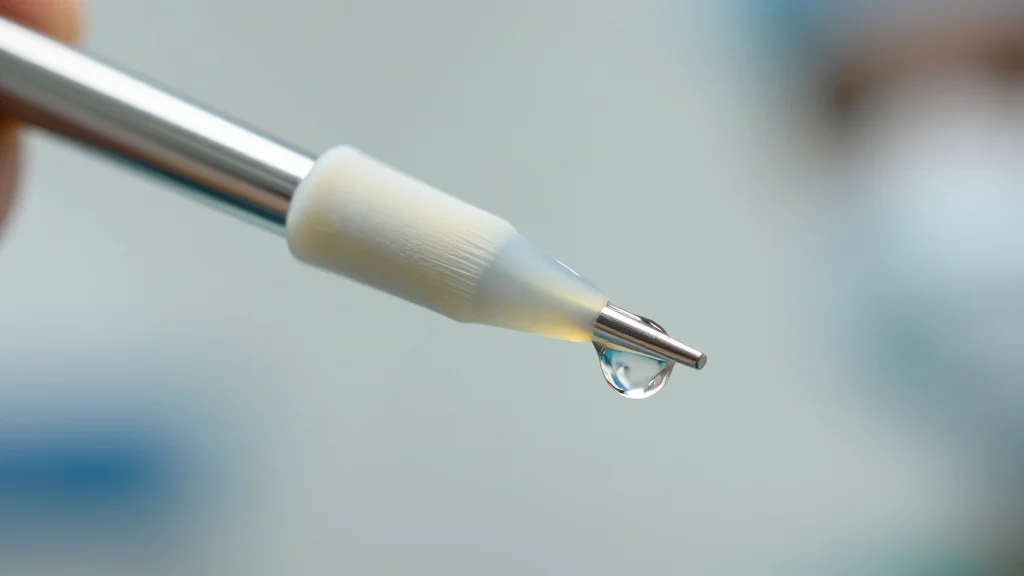
U of T Engineers Create Polymer Bristle Coating that Blocks Proteins and Germs on Medical Surfaces

Why It Matters
Hospital‑acquired infections cost the U.S. health‑care system billions of dollars each year and are a leading cause of morbidity. A surface that passively blocks the protein layer bacteria need to adhere to could dramatically cut transmission rates without adding chemical burdens. Moreover, the approach sidesteps the growing threat of disinfectant‑resistant microbes, a concern that has intensified as pathogens adapt to routine bleach use. Beyond health care, the PDMS bristle concept could reshape any industry where biofouling hampers performance—marine vessels, food‑processing lines, and consumer electronics. By harnessing a simple polymer architecture, the technology promises a low‑cost, scalable solution that leverages existing silicone manufacturing infrastructure.
Key Takeaways
- •U of T DREAM Lab creates PDMS bristle coating that prevents protein adhesion on surfaces
- •Tests with bovine serum albumin showed elimination of the typical coffee‑ring residue
- •Coating can be cleaned with plain water, removing the need for bleach or other harsh disinfectants
- •Potential to reduce hospital‑acquired infections and chemical exposure for health‑care workers
- •Next phase includes durability testing and regulatory approval for medical‑device integration
Pulse Analysis
The polymer‑bristle coating arrives at a moment when hospitals are scrambling for alternatives to chemical disinfectants that contribute to staff fatigue and antimicrobial resistance. Traditional anti‑biofouling strategies rely on biocidal agents that kill microbes but also select for hardier strains. By targeting the adhesion step rather than the organism itself, the U of T approach sidesteps evolutionary pressure, offering a more sustainable defense.
Historically, PDMS has been prized for its biocompatibility but only modestly repellent to microbes. The DREAM Lab’s innovation lies in re‑configuring the polymer at the nanoscale to create a dynamic, brush‑like interface. This mirrors successful anti‑fouling designs in marine coatings, where surface texture, rather than chemistry, deters organism settlement. If the coating can be mass‑produced without compromising the mechanical integrity of medical devices, it could become a de‑facto standard for high‑touch equipment, much like antimicrobial copper did for door handles a decade ago.
Looking ahead, the commercial viability will hinge on three factors: durability under repeated sterilisation, cost parity with existing silicone products, and regulatory pathways. Early partnerships with device manufacturers could accelerate adoption, especially if pilot studies demonstrate measurable reductions in infection rates. In a market where hospitals allocate up to 5% of operating budgets to infection control, a passive, low‑maintenance solution could quickly capture a sizable share, reshaping the economics of hospital hygiene.
U of T engineers create polymer bristle coating that blocks proteins and germs on medical surfaces
Comments
Want to join the conversation?
Loading comments...