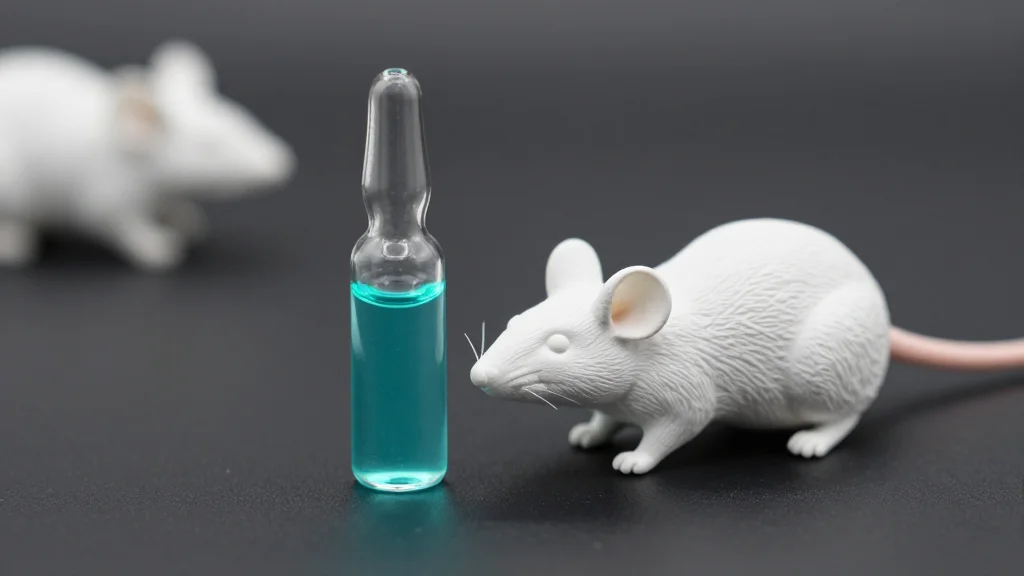
UC Irvine Nanotech Exosome Therapy Reverses MS Symptoms in Mice

Why It Matters
The UC Irvine study demonstrates that nanotechnology can overcome one of the most stubborn obstacles in neuro‑therapeutics—the blood‑brain and blood‑spinal cord barriers. By proving that exosome‑based carriers can both reach the CNS and modulate immune function, the work expands the therapeutic toolbox for diseases that have resisted conventional drug design. Beyond MS, the platform could accelerate development of nanocarrier treatments for a range of autoimmune and neurodegenerative disorders, potentially reshaping R&D investment patterns toward biologically derived nanomaterials. Moreover, the research highlights a shift from cell‑based therapies, which are costly and logistically complex, to cell‑derived nanovesicles that are easier to store, standardize, and scale. If clinical trials validate safety and efficacy, pharmaceutical companies may pivot resources toward exosome platforms, spurring a new wave of partnerships between biotech firms and nanomanufacturing specialists.
Key Takeaways
- •UC Irvine scientists used bone‑marrow‑derived exosomes to deliver anti‑inflammatory cargo across the blood‑spinal cord barrier.
- •A single injection reversed motor deficits and reduced nerve damage in a mouse model of multiple sclerosis.
- •The study was published in ACS Nano and funded by NIH, NINDS, and private foundations.
- •Planned human trials will first target Type 1 diabetes patients before expanding to MS cohorts.
- •Successful translation could address a $25 billion global market for MS therapies and open pathways for other autoimmune diseases.
Pulse Analysis
The exosome breakthrough arrives at a moment when the biotech industry is actively seeking alternatives to high‑cost, low‑efficacy cell therapies. Traditional stem‑cell approaches have struggled with delivery inefficiencies and unpredictable engraftment, leading investors to question their commercial viability. By extracting the therapeutic payload from stem cells and packaging it into nanoscale vesicles, UC Irvine sidesteps these hurdles while preserving the biological activity that makes stem cells attractive.
Historically, nanomedicine has excelled in oncology, where liposomal formulations like Doxil have set precedents for targeted delivery. Translating that success to the central nervous system has been hampered by the impermeability of the blood‑brain barrier. The exosome platform leverages a naturally evolved transport mechanism, offering a stealthy route that synthetic nanoparticles have yet to match. If regulatory agencies accept exosomes as a distinct biologic class, we could see a rapid acceleration of pipeline candidates, especially as manufacturing technologies for extracellular vesicles mature.
From a market perspective, the potential to treat both the neurodegenerative and immune components of MS positions the therapy as a differentiated, high‑value asset. Payers have long expressed frustration with disease‑modifying drugs that merely slow progression; a therapy that restores function could command premium pricing and reshape reimbursement models. Competitors—ranging from big pharma to emerging nanotech startups—will likely intensify R&D spending in exosome engineering, sparking a wave of collaborations and licensing deals aimed at securing intellectual property around vesicle surface modification, cargo loading, and scalable purification.
UC Irvine Nanotech Exosome Therapy Reverses MS Symptoms in Mice
Comments
Want to join the conversation?
Loading comments...