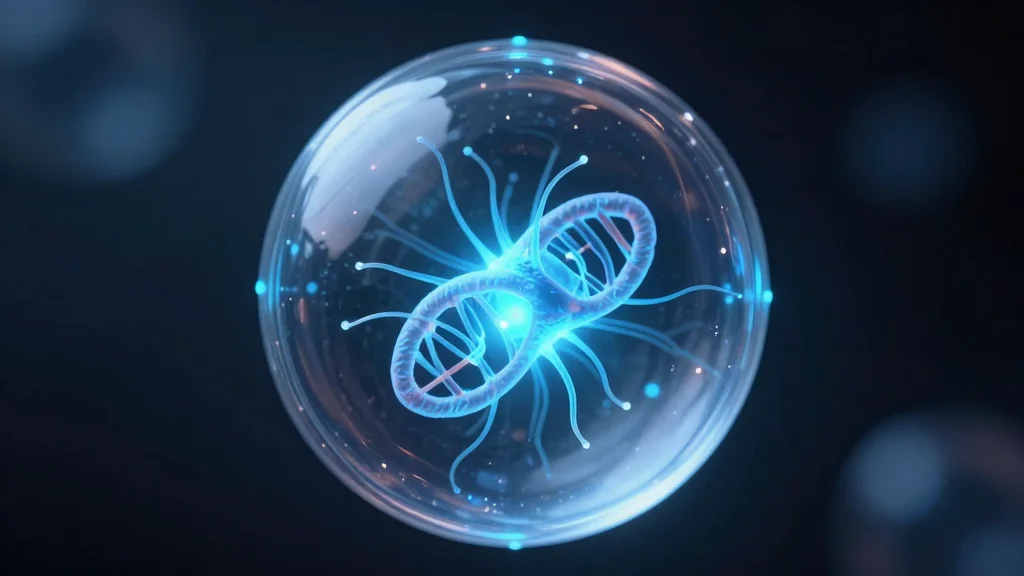
UCLA Engineers RNA‑Based Programmable Artificial Organelles for Cellular Nanomachinery

Why It Matters
Programmable artificial organelles represent a paradigm shift in how scientists can rewire cellular behavior. By using RNA—a molecule already central to gene expression—as the structural backbone, the technology leverages the cell’s native machinery for rapid, reversible assembly, reducing the risk of toxicity and resource depletion. This could unlock new therapeutic modalities that require precise intracellular targeting, such as on‑demand drug synthesis or localized gene editing, expanding the scope of nanotech‑enabled medicine. Beyond medicine, the ability to engineer custom intracellular compartments may accelerate research in fundamental biology, allowing scientists to isolate and study biochemical pathways in situ. The approach also positions RNA nanotechnology as a competitive alternative to protein‑based scaffolds, potentially reshaping funding priorities and commercial strategies within the synthetic‑biology sector.
Key Takeaways
- •UCLA team creates RNA nanostars that self‑assemble into programmable organelles.
- •Method encodes assembly rules directly in RNA, enabling precise size and location control.
- •Published in Nature Nanotechnology on April 29, highlighting peer‑reviewed validation.
- •Quotes from Elisa Franco and lead author Shiyi Li emphasize reduced cellular resource use.
- •Potential applications span therapeutics, metabolic engineering, and basic cellular research.
Pulse Analysis
The UCLA breakthrough arrives at a moment when the synthetic‑biology market is projected to exceed $10 billion by 2030, driven largely by cell‑based therapies and bio‑manufacturing platforms. Historically, protein‑based condensates have dominated the field, but they carry inherent limitations in design flexibility and metabolic cost. By pivoting to RNA, the UCLA team taps into a molecule that is both programmable and abundant, potentially lowering barriers to entry for smaller biotech firms that lack the infrastructure to produce complex protein scaffolds.
From a competitive standpoint, the technology could force established players—such as Ginkgo Bioworks and Synlogic—to broaden their toolkits beyond protein engineering. Investors may view the RNA approach as a lower‑risk, higher‑yield avenue, especially given the rapid synthesis cycles and the existing supply chains for RNA therapeutics, exemplified by the mRNA vaccine rollout. However, scalability and in‑vivo stability remain open questions; RNA is notoriously susceptible to degradation, and ensuring functional longevity of the organelles inside patients will be critical.
Looking ahead, the field will likely see a bifurcation: hybrid systems that combine the structural robustness of proteins with the programmability of RNA, and pure RNA‑driven platforms that capitalize on minimal cellular burden. Regulatory pathways will also evolve, as agencies grapple with the safety profile of intracellular nanomachinery. If UCLA’s next‑phase animal studies confirm safety and efficacy, we could witness a cascade of licensing deals and startup formations focused on RNA‑based cellular engineering, reshaping the nanotech therapeutic landscape within the next five years.
UCLA Engineers RNA‑Based Programmable Artificial Organelles for Cellular Nanomachinery
Comments
Want to join the conversation?
Loading comments...