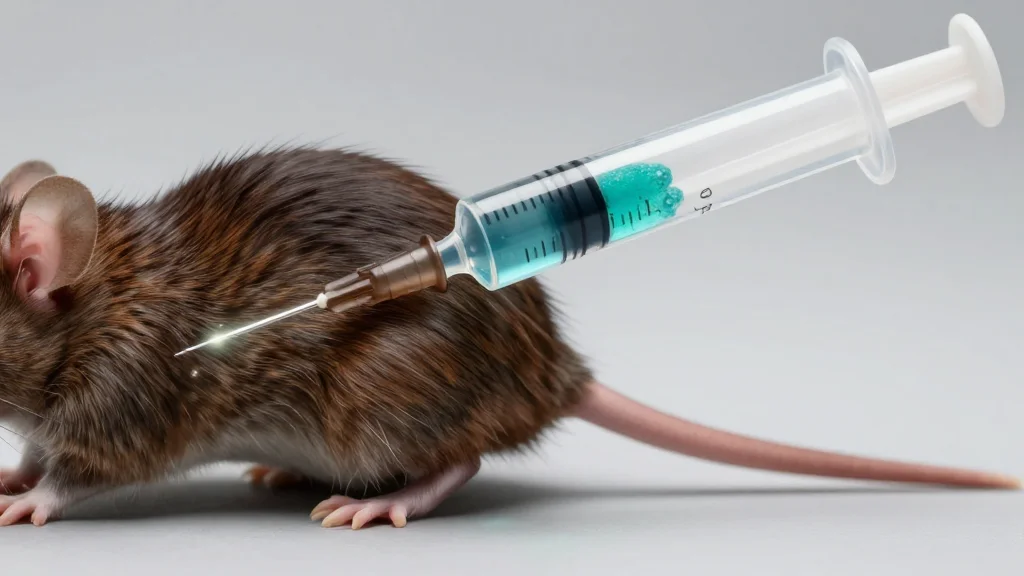
University of Michigan Nanoparticle Therapy Stops Tick‑Borne Red Meat Allergy in Mice

Why It Matters
The study provides the first pre‑clinical evidence that nanotechnology can be used to re‑educate the immune system against a carbohydrate allergen, a class of targets that has been difficult to address with traditional biologics. By leveraging biodegradable particles to deliver antigens in a tolerogenic format, the research opens a new therapeutic paradigm that could be extended to other food and environmental allergies. Successful translation would not only alleviate a growing public‑health burden but also validate nanotech platforms as viable vectors for immune modulation, encouraging further investment in nanomedicine R&D. Beyond the immediate clinical promise, the work signals a shift in how academic institutions approach translational nanotech. The collaboration between University of Michigan and University of Virginia demonstrates a model for pooling expertise in nanomaterials, immunology, and infectious disease, potentially accelerating the path from bench to bedside. Investors and biotech firms are likely to monitor the upcoming GMP and safety studies closely, as they could catalyze partnerships or licensing deals that bring nanotech‑based allergy therapies to market.
Key Takeaways
- •University of Michigan and University of Virginia researchers reported a 10‑of‑12 success rate in mice treated with the nanoparticle therapy.
- •The nanoparticles encapsulate the alpha‑gal sugar to induce immune tolerance after a single intravenous dose.
- •Alpha‑gal syndrome cases are rising due to expanding lone‑star tick habitats linked to climate change.
- •Current management relies on meat avoidance; no approved drug therapies exist for this allergy.
- •Phase 1 human trials are projected for 2026 pending GMP production and regulatory approval.
Pulse Analysis
The nanoparticle approach marks a strategic departure from conventional allergy treatments that typically focus on symptom suppression or broad immunosuppression. By delivering the allergen in a controlled nanocarrier, the therapy exploits the body's natural tolerance mechanisms, potentially offering a durable solution after a single administration. This could dramatically reduce the chronic burden of dietary restrictions and associated healthcare costs.
Historically, nanomedicine has struggled to achieve commercial breakthroughs beyond oncology and vaccine delivery. The alpha‑gal study demonstrates that nanotech can address a non‑cancer, non‑infectious disease niche, expanding the market perception of nanomedicine's applicability. If the upcoming human trials confirm safety and efficacy, we may see a wave of similar platforms targeting other carbohydrate or protein allergens, creating a new sub‑segment within the $30 billion allergy therapeutics market.
From an investment perspective, the timing aligns with heightened venture interest in precision immunotherapies and a broader push to translate academic nanotech discoveries into marketable products. Companies that can secure licensing rights or co‑development agreements with the university teams stand to gain early mover advantage. However, the path forward is fraught with regulatory hurdles; the FDA will scrutinize the long‑term biodistribution and potential off‑target effects of the particles. The next 12‑18 months will be critical in determining whether this pre‑clinical success can be leveraged into a viable commercial pipeline, shaping the future trajectory of nanotech in the allergy space.
University of Michigan Nanoparticle Therapy Stops Tick‑Borne Red Meat Allergy in Mice
Comments
Want to join the conversation?
Loading comments...