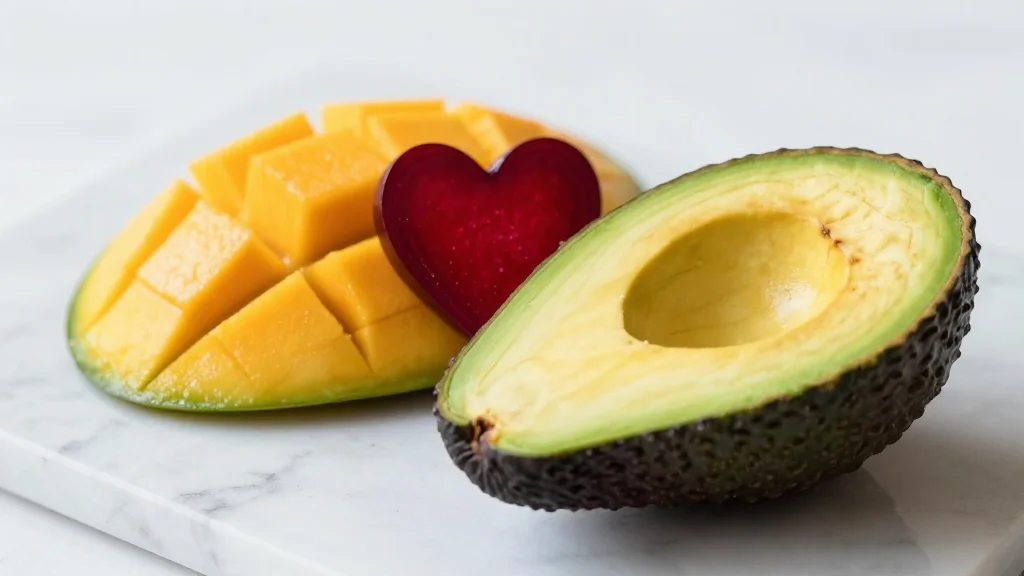
Avocado‑Mango Duo Boosts Vascular Health in Pre‑Diabetic Adults, Study Finds

Why It Matters
Cardiovascular disease remains the leading cause of death in the United States, and pre‑diabetes is a major modifiable risk factor. Demonstrating that a simple, affordable fruit pairing can improve surrogate markers of heart health offers a tangible tool for clinicians and public‑health campaigns aiming to curb disease progression. Moreover, the study underscores the value of whole‑food synergy, a concept that could reshape nutrition research beyond single‑nutrient approaches. The findings also have equity implications. Avocados and mangoes are widely available in most grocery stores, and the daily serving size aligns with existing USDA MyPlate recommendations. If future trials confirm long‑term benefits, the combo could become a low‑cost, culturally adaptable component of dietary interventions targeting underserved communities disproportionately affected by pre‑diabetes and heart disease.
Key Takeaways
- •82 pre‑diabetic adults ate one avocado and one cup of mango daily for eight weeks.
- •Vascular function (flow‑mediated dilation) improved significantly versus a control group.
- •Diastolic blood pressure decreased, especially among male participants.
- •Study published in the Journal of the American Heart Association; researchers are planning larger trials.
- •Experts caution the short duration and surrogate endpoints, but see potential for dietary guideline updates.
Pulse Analysis
The avocado‑mango trial arrives at a moment when nutrition science is shifting from isolated nutrient analysis to holistic food matrix evaluation. Historically, studies have isolated single foods—like oats for cholesterol or berries for antioxidants—yet real‑world diets consist of complex combinations. The observed vascular benefits likely stem from the interplay of monounsaturated fats, potassium, fiber, and polyphenols, which together modulate endothelial function and inflammation. This synergy aligns with emerging evidence that dietary patterns, rather than individual foods, drive cardiometabolic outcomes.
From a market perspective, the results could catalyze a niche within the functional‑food sector. Companies may develop pre‑packaged avocado‑mango blends, positioning them as evidence‑backed heart‑health products. However, scaling such offerings will require careful cost analysis, as avocado prices can be volatile. Public‑health agencies might instead focus on education campaigns that encourage consumers to combine existing pantry staples, a strategy that sidesteps supply‑chain constraints while leveraging the study’s practical message.
Looking ahead, the critical test will be whether short‑term improvements in surrogate markers translate into reduced clinical events. If larger, longer trials confirm a causal link, the avocado‑mango duo could be incorporated into the American Diabetes Association’s lifestyle recommendations, potentially reshaping nutrition counseling for millions of pre‑diabetic Americans. Until then, clinicians should view the pairing as a promising adjunct rather than a replacement for established interventions such as weight management, physical activity, and glycemic control.
Avocado‑Mango Duo Boosts Vascular Health in Pre‑Diabetic Adults, Study Finds
Comments
Want to join the conversation?
Loading comments...