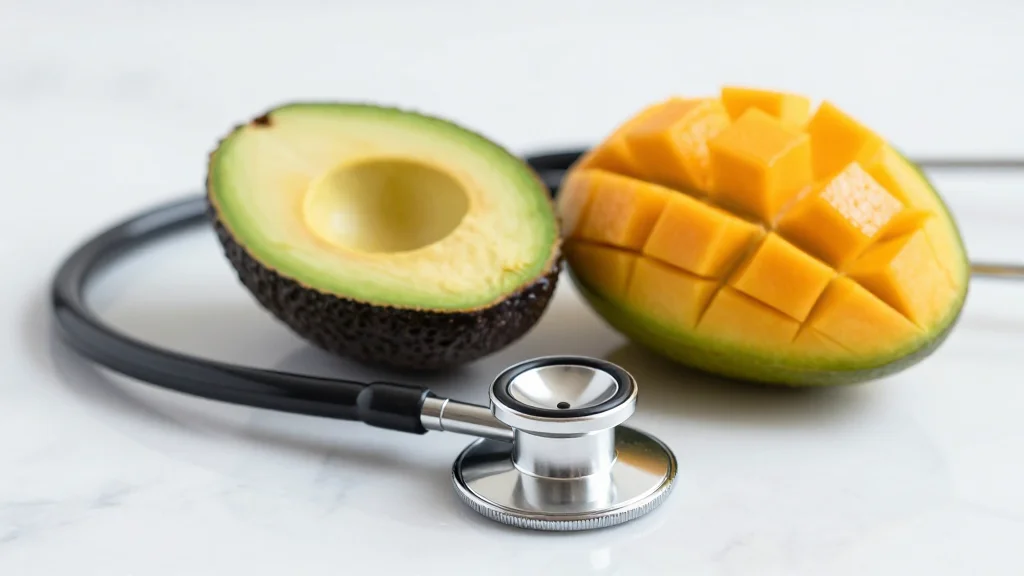
Avocado‑Mango Duo Cuts Diastolic Pressure in Prediabetic Adults

Why It Matters
Prediabetes affects roughly one‑third of U.S. adults and is a major driver of future cardiovascular disease. Demonstrating that a simple, culturally acceptable food pairing can improve endothelial function offers a pragmatic tool for clinicians and public‑health programs. Moreover, the study reinforces the concept that whole‑food combinations, not just isolated nutrients, can produce measurable health benefits, potentially reshaping dietary guidelines for early‑stage metabolic risk. Beyond individual health, the findings could influence agricultural demand, prompting growers and retailers to promote avocado‑mango bundles. If larger trials confirm the effect, insurers might consider covering nutrition counseling that includes specific fruit recommendations, creating a feedback loop between clinical evidence, consumer behavior, and food industry strategy.
Key Takeaways
- •82 prediabetic adults enrolled; 68 completed the eight‑week trial
- •Daily intake of one avocado and one cup of mango raised FMD to ~6.7 % vs 4.6 % in controls
- •Diastolic blood pressure fell more noticeably in male participants
- •Mango provides vitamin C, potassium, soluble fibre; avocado adds monounsaturated fat, fibre, potassium
- •Study funded by industry groups with interests in mango and avocado production
Pulse Analysis
The avocado‑mango trial arrives at a moment when nutrition science is pivoting from single‑nutrient supplements to food‑matrix approaches. Historically, dietary guidelines have emphasized isolated nutrients—like sodium reduction or added sugar limits—yet real‑world eating patterns rarely conform to such reductionist models. This study adds to a growing body of evidence that synergistic food pairings can elicit physiological changes within weeks, a timeline that resonates with both clinicians seeking quick wins and consumers craving tangible results.
From a market perspective, the research could catalyze a niche segment of “functional fruit bundles” marketed to at‑risk populations. Companies may develop pre‑packaged avocado‑mango kits, leveraging the health claim to differentiate from generic produce. However, the industry funding disclosed in the paper raises a classic conflict‑of‑interest concern; independent replication will be essential to avoid the perception of marketing‑driven science. If subsequent trials confirm the benefits, insurers might incorporate fruit‑based dietary prescriptions into preventive care plans, potentially lowering long‑term cardiovascular costs.
Looking ahead, the key question is durability. Eight weeks is sufficient to shift endothelial markers, but whether the effect persists, amplifies, or plateaus with continued consumption remains unknown. Future research should explore dose‑response relationships, interactions with other dietary patterns (e.g., Mediterranean or DASH diets), and the impact on hard outcomes like myocardial infarction or progression to type 2 diabetes. For now, the avocado‑mango duo offers a low‑risk, high‑palatability option that could bridge the gap between dietary advice and actionable, measurable health improvement.
Avocado‑Mango Duo Cuts Diastolic Pressure in Prediabetic Adults
Comments
Want to join the conversation?
Loading comments...