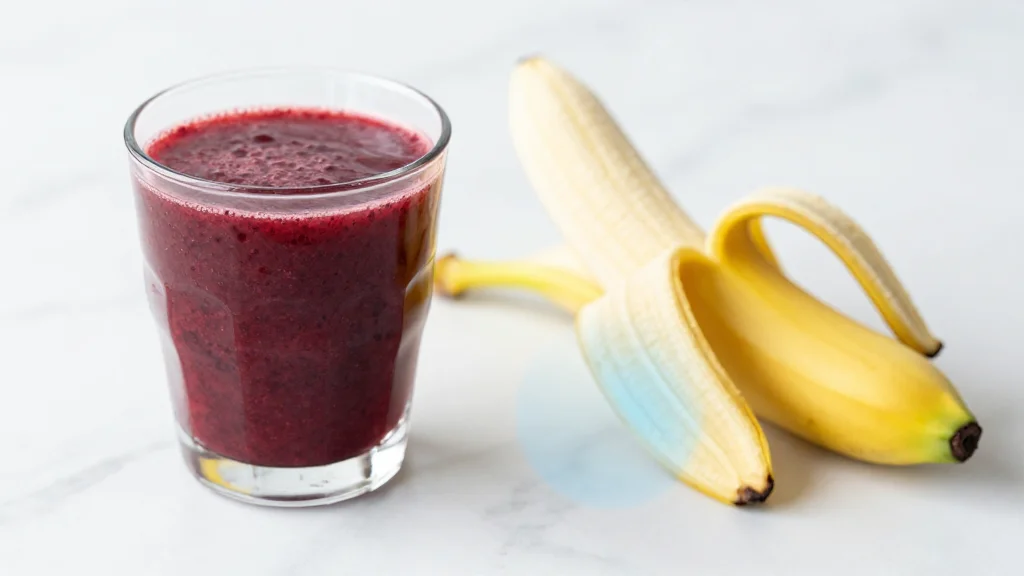
Banana‑Berry Smoothies Cut Flavanol Benefits by 84%, UC Davis Study Shows Simple Fix

Why It Matters
The discovery that a single banana can nullify most of the flavanol benefit of berry smoothies has immediate relevance for public health messaging. Flavanols are linked to lower blood pressure, improved vascular function, and reduced risk of heart disease; if a popular breakfast habit is inadvertently sabotaging those effects, consumers are missing a low‑cost preventive measure. Moreover, the research highlights the importance of food‑matrix interactions—how enzymes, pH, and processing steps can alter nutrient bioavailability—an area that has been underexplored in mainstream nutrition advice. For the functional‑food industry, the study signals a need to re‑evaluate product formulations that tout “berry‑rich” health claims. Companies may invest in enzyme‑inhibition technologies or redesign recipes to avoid high‑PPO ingredients, thereby preserving the scientific credibility of their health claims and avoiding potential regulatory scrutiny.
Key Takeaways
- •Banana‑berry smoothies cut flavanol absorption by 84% due to polyphenol oxidase (PPO).
- •Study involved eight healthy men in a controlled crossover design with blood and urine analysis.
- •Mixed‑berry smoothies without banana maintained flavanol levels comparable to capsule controls.
- •Replacing banana with low‑PPO fruits (e.g., mango, pineapple) restores flavanol bioavailability.
- •Findings could reshape dietary guidelines and functional‑beverage formulations.
Pulse Analysis
The UC Davis study underscores a broader, often overlooked principle in nutrition: the matrix effect. While most dietary guidance focuses on isolated nutrients, real‑world foods interact in complex ways that can amplify or diminish health benefits. This research provides a concrete example where a single enzyme in a common fruit negates the cardioprotective potential of another, challenging the “more is better” mindset that drives smoothie culture.
Historically, the functional‑beverage market has leaned heavily on marketing claims around antioxidants and flavonoids, often without rigorous testing of how preparation methods affect bioavailability. The banana‑PPO interaction reveals a gap that could be exploited by savvy manufacturers—either by reformulating products to sidestep the enzyme or by adding natural PPO inhibitors like ascorbic acid. Early adopters who adjust recipes now may capture a premium segment of health‑conscious consumers seeking scientifically validated benefits.
Looking ahead, the study may prompt regulatory bodies to require more detailed disclosure of ingredient interactions in health claims. Nutrition professionals are likely to incorporate the findings into counseling, advising clients to pair berries with low‑PPO fruits or to add acidic components that deactivate PPO. As research expands to larger, more diverse cohorts, we may see a shift from generic “smoothie = healthy” messaging to nuanced guidance that accounts for enzymatic chemistry, ultimately leading to more effective dietary strategies for cardiovascular risk reduction.
Banana‑Berry Smoothies Cut Flavanol Benefits by 84%, UC Davis Study Shows Simple Fix
Comments
Want to join the conversation?
Loading comments...