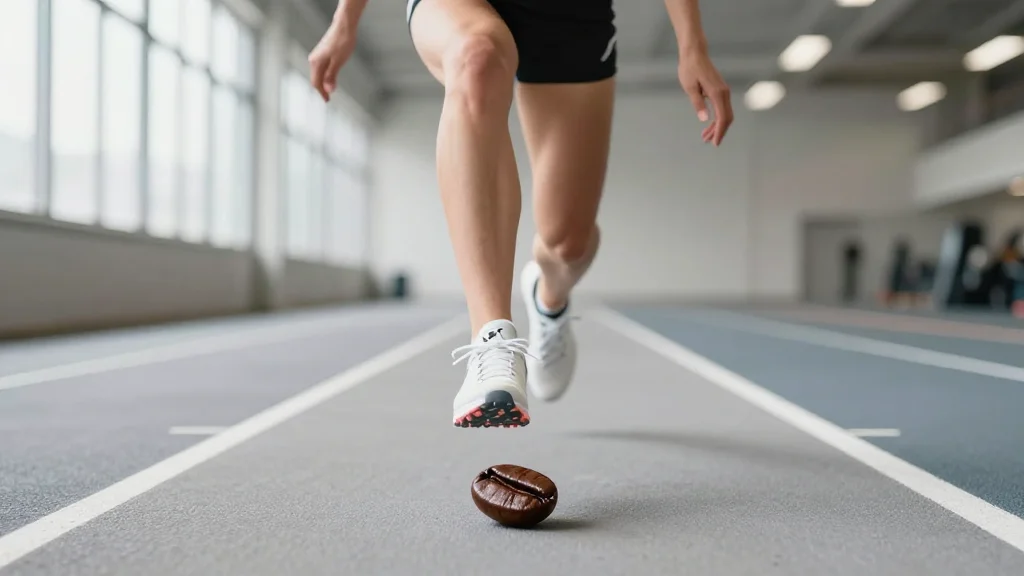
Caffeine and Physical Performance in Female Intermittent Sport Athletes: A Systematic Review and Meta-Analysis Considering Menstrual Cycle Phase
Why It Matters
The findings suggest caffeine can boost key performance traits for female athletes in high‑intensity team sports, but coaches lack clear guidance on timing relative to menstrual phases, highlighting a research gap that could affect training and competition strategies.
Key Takeaways
- •Caffeine improves agility (SMD = ‑0.62) in female intermittent‑sport athletes.
- •Vertical jump height rises modestly with caffeine (SMD = 0.37).
- •Sprint performance shows no significant caffeine benefit (SMD ≈ 0.03).
- •Follicular‑phase athletes may gain larger agility gains than luteal phase.
- •Evidence limited to nine small studies; menstrual‑phase data scarce.
Pulse Analysis
Caffeine remains one of the most widely used ergogenic aids, yet its benefits for female athletes—especially those competing in intermittent‑type sports such as basketball, soccer, and handball—have been under‑explored. Historically, performance research has skewed male, leaving a knowledge gap about how hormonal fluctuations across the menstrual cycle might modulate caffeine’s effects. This gap matters because intermittent sports demand rapid bursts of power, agility, and repeated jumps, all areas where caffeine’s central nervous system stimulation and calcium mobilisation could theoretically provide an edge.
The meta‑analysis of nine randomized trials revealed that caffeine reliably improves agility and vertical‑jump performance in women, with standardized mean differences indicating moderate benefits for agility and small gains for jump height. Sprint speed, however, did not respond to caffeine in the pooled data. Subgroup exploration suggested a trend toward greater agility improvements during the follicular phase, when estrogen predominates, but the between‑phase comparison failed to reach significance. Methodological constraints—small sample sizes, reliance on calendar‑based cycle tracking, and a lack of hormonal verification—limit confidence in any phase‑specific recommendations. Consequently, the current evidence is classified as low certainty, underscoring the need for rigorously designed, adequately powered studies that incorporate precise hormonal assays.
For practitioners, the practical takeaway is that caffeine can be incorporated as a performance aid for female intermittent‑sport athletes, particularly to enhance jump and change‑of‑direction tasks. However, without robust data on menstrual‑cycle timing, coaches should individualise dosing and monitor athlete responses rather than rely on a one‑size‑fits‑all protocol. The industry’s growing focus on gender‑specific nutrition and supplementation presents an opportunity for sports science firms to develop validated testing frameworks that account for hormonal status, ultimately delivering more personalized and effective ergogenic strategies.
Caffeine and physical performance in female intermittent sport athletes: a systematic review and meta-analysis considering menstrual cycle phase
Comments
Want to join the conversation?
Loading comments...