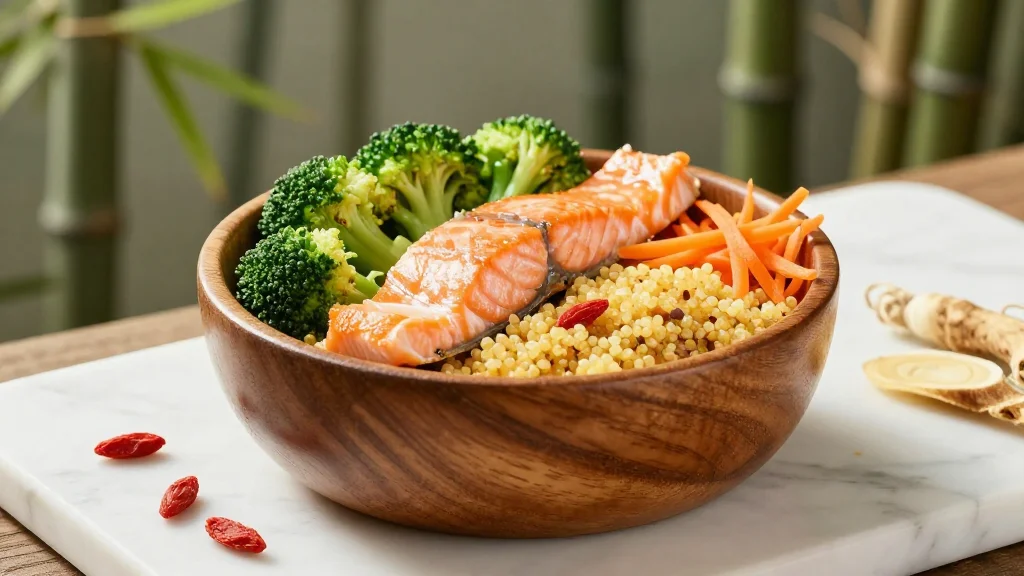
China Unveils 2026 Dietary Guidelines for Stroke, Osteoporosis and Sarcopenia

Why It Matters
The guidelines represent the most comprehensive, government‑backed effort to fuse traditional Chinese dietary concepts with contemporary nutrition science, targeting three of the nation’s leading age‑related health burdens. By providing concrete, region‑specific meal plans, the policy aims to reduce stroke incidence, improve bone health, and mitigate muscle loss, potentially lowering healthcare costs and extending healthy life expectancy. For the global nutrition community, China’s model offers a template for culturally tailored dietary guidance. If successful, it could inspire other countries to incorporate indigenous food‑medicine knowledge into public health strategies, bridging the gap between modern evidence‑based nutrition and traditional dietary practices.
Key Takeaways
- •China’s National Health Commission issued three 2026 adult dietary guidelines for stroke, osteoporosis and sarcopenia.
- •Guidelines blend modern nutrition science with traditional Chinese medicine, recommending specific food‑medicine substances.
- •Experts emphasize food‑based prevention for at‑risk groups and stress gradual dietary changes.
- •Regional recipes cover seven climate zones and three caloric tiers, providing detailed nutrient targets.
- •Pilot implementation begins in late 2026, with a national awareness push planned for early 2027.
Pulse Analysis
China’s decision to codify food‑medicine into official dietary guidelines marks a strategic shift from reactive treatment to proactive, lifestyle‑based disease management. Historically, Chinese health policy has treated TCM and modern medicine as parallel tracks; this integration signals a convergence that could accelerate research into bioactive food compounds and their clinical efficacy. The guidelines also create a market incentive for food manufacturers to develop region‑specific, nutrient‑dense products that meet the stipulated calcium, vitamin D, and protein benchmarks.
From a competitive standpoint, dairy producers, fortified food companies, and nutraceutical firms stand to benefit, while traditional herbal suppliers may see renewed demand for specific food‑medicine ingredients. However, the success of the policy hinges on effective dissemination and behavioral adoption. China’s urban‑rural dietary divide, entrenched food preferences, and varying levels of health literacy could blunt impact unless supported by robust education campaigns and incentives for healthcare providers.
Looking ahead, the guidelines could serve as a testing ground for data‑driven nutrition policy. If health outcomes improve—lower stroke recurrence, reduced fracture rates, and slower sarcopenia progression—other nations may adopt similar hybrid frameworks, blending cultural dietary heritage with scientific rigor. The next few years will reveal whether China’s top‑down approach can translate into measurable public‑health gains and reshape the global conversation on nutrition and chronic disease prevention.
China Unveils 2026 Dietary Guidelines for Stroke, Osteoporosis and Sarcopenia
Comments
Want to join the conversation?
Loading comments...