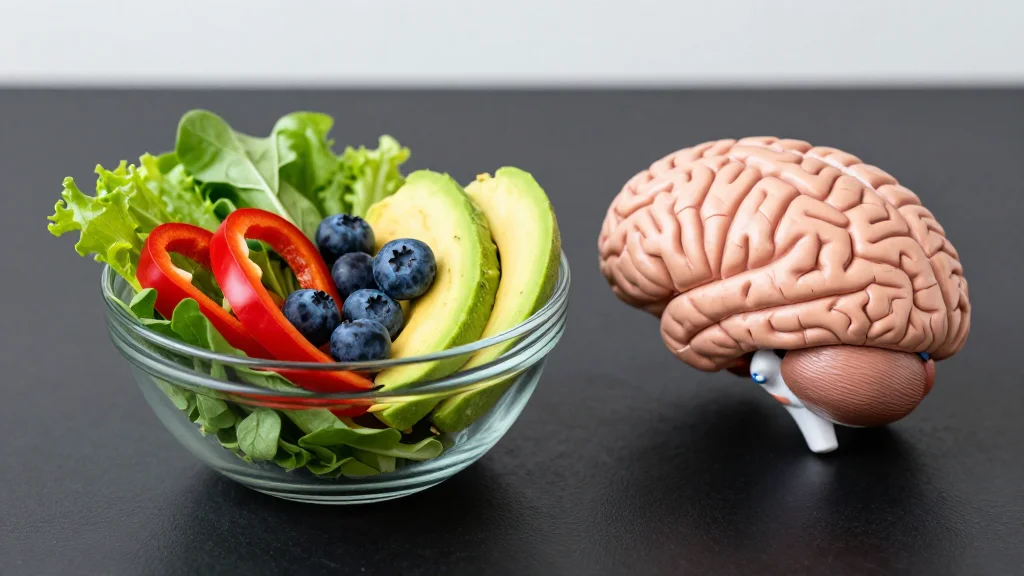
Chinese Study Links Intermittent Calorie Restriction to Brain‑Gut Axis Shifts and 7.8% Weight Loss

Why It Matters
The study bridges two fast‑growing fields—microbiome science and neuro‑nutrition—by providing concrete evidence that dietary calorie restriction can rewire brain circuits and gut bacteria in tandem. This dual impact could reshape obesity treatment, moving beyond simple calorie counting to interventions that target the underlying neuro‑gastrointestinal feedback loop. For clinicians, the research offers a potential biomarker framework: changes in fMRI patterns or microbiome profiles could signal early success or the need for dietary adjustments. Beyond individual health, the findings could influence public‑health policy. If intermittent restriction proves safe and effective at scale, governments might incorporate it into national dietary recommendations, especially in regions where obesity burdens health systems. Moreover, food manufacturers may invest in products that support a healthy microbiome, aligning commercial interests with emerging scientific insights.
Key Takeaways
- •25 obese volunteers completed a 62‑day intermittent energy‑restriction diet.
- •Average weight loss was 7.6 kg (7.8% of body weight).
- •fMRI showed reduced activity in brain regions linked to food cravings.
- •Gut microbiome diversity increased, correlating with brain‑region changes.
- •Researchers call for larger trials to assess long‑term sustainability.
Pulse Analysis
The Chinese IER study arrives at a moment when the nutrition industry is pivoting from blanket calorie‑reduction advice to precision nutrition that accounts for individual biology. Historically, weight‑loss programs have struggled with relapse because they ignore the brain’s reward pathways. By documenting simultaneous shifts in both neural activity and microbial composition, the research provides a plausible biological bridge that could explain why intermittent fasting often yields better adherence than continuous restriction.
From a market perspective, the data could accelerate investment in microbiome‑targeted therapeutics and diagnostics. Companies developing stool‑based tests may soon market panels that predict a patient’s response to calorie‑restriction diets, while biotech firms could explore probiotic formulations designed to reinforce the brain‑gut communication pathways highlighted in the study. The potential for a new class of “neuro‑microbiome” supplements could reshape the supplement landscape, which has traditionally focused on isolated nutrients rather than systemic interactions.
Looking ahead, the key question is durability. If the brain‑gut reprogramming persists after the diet ends, it could herald a paradigm shift toward short‑term, high‑impact interventions that produce lasting metabolic rewiring. Conversely, if the changes revert quickly, the industry may need to integrate behavioral support and continuous microbiome modulation to sustain benefits. Either outcome will inform how insurers, clinicians, and policymakers design weight‑management programs that are both effective and scalable.
Chinese Study Links Intermittent Calorie Restriction to Brain‑Gut Axis Shifts and 7.8% Weight Loss
Comments
Want to join the conversation?
Loading comments...