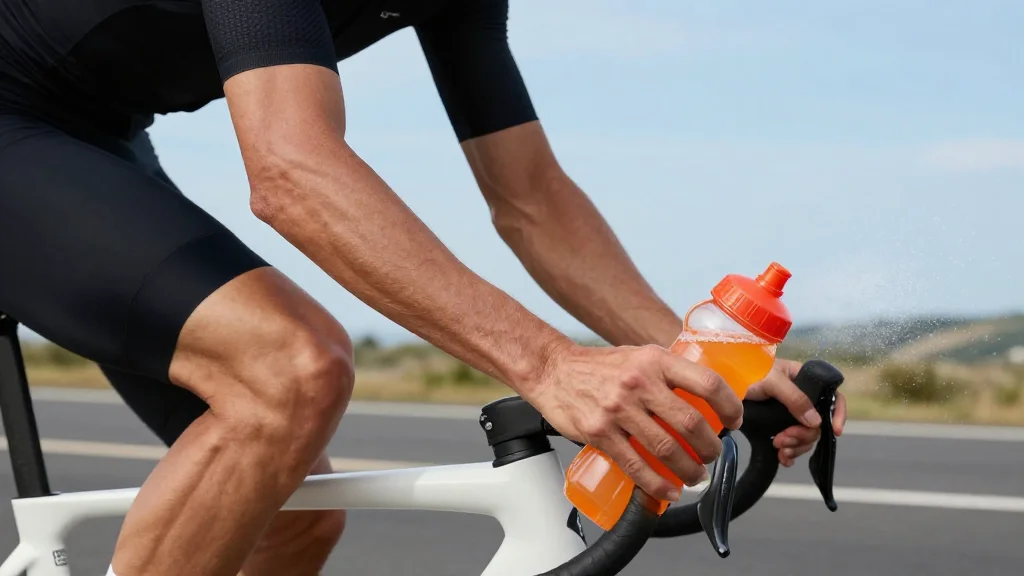
Cycling Scientists Stress 90‑120 G Carbs per Hour to Close Fueling Gap

Why It Matters
Fueling inadequately during long, high‑intensity rides compromises power output, hampers training adaptations, and prolongs recovery, directly affecting competitive results and athlete health. By aligning intake with the 90‑120 g per hour guideline, cyclists can sustain performance, improve training quality, and reduce the risk of glycogen‑depletion injuries. The consensus also underscores the importance of evidence‑based nutrition over anecdotal or social‑media trends, guiding coaches, sports dietitians, and manufacturers toward products that meet scientifically validated needs. The broader implication extends to the sports‑nutrition market, where demand for carbohydrate blends that optimize glucose‑fructose ratios is likely to rise. Manufacturers that invest in gut‑training research and transparent labeling can capture a segment of athletes seeking to close the fueling gap identified by leading scientists.
Key Takeaways
- •Experts agree most trained cyclists under‑fuel by 30‑50 g carbs per hour on hard rides.
- •Recommended intake: 90‑120 g of carbohydrate per hour for efforts longer than 60 minutes.
- •A 2:1 glucose‑to‑fructose ratio maximizes absorption via SGLT1 and GLUT5 transporters.
- •Tim Spector notes microbiome personalization does not replace the need for adequate carbs.
- •Dan Lorang stresses logistical planning and gut training to achieve target intake.
Pulse Analysis
The renewed focus on carbohydrate intake reflects a maturation of sports‑nutrition science that moves beyond generic advice toward precise, performance‑driven metrics. Historically, cyclists relied on vague “eat more carbs” slogans; today, the data‑driven 90‑120 g per hour target provides a quantifiable benchmark that can be tracked and optimized. This shift mirrors trends in endurance sports where athletes treat nutrition as a training variable rather than a background habit.
From a market perspective, the consensus creates a clear opportunity for product innovators. Brands that can demonstrate a reliable 2:1 glucose‑fructose blend, coupled with gut‑training protocols, will likely differentiate themselves in a crowded supplement space. Moreover, the emphasis on real‑time tracking suggests a rise in wearable tech integrations that monitor carbohydrate consumption alongside power output, enabling athletes to adjust on the fly.
Looking forward, the dialogue between scientists, coaches, and athletes is poised to deepen. As more teams adopt systematic fueling strategies, we can expect longitudinal studies linking carbohydrate adherence to measurable performance gains, potentially redefining training periodization models. For now, the message is simple: cyclists who ignore the carbohydrate gap risk leaving performance on the table, while those who embrace the evidence stand to gain measurable improvements.
Cycling scientists stress 90‑120 g carbs per hour to close fueling gap
Comments
Want to join the conversation?
Loading comments...