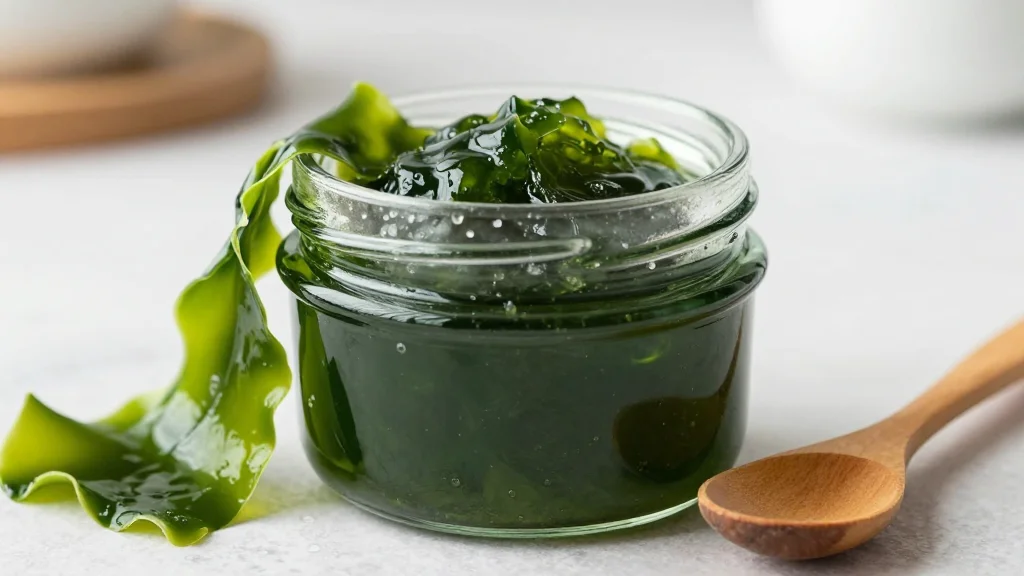
Dietitians Warn Sea Moss Hype: Limited Proof, Iodine Risks

Why It Matters
The sea moss episode illustrates how quickly a niche ingredient can become a mainstream commodity when amplified by social media. For the nutrition industry, it highlights the need for clear, evidence‑based guidance to protect consumers from over‑promised benefits and potential nutrient toxicities. It also underscores the responsibility of influencers and supplement manufacturers to provide transparent labeling and dosage information. As consumers increasingly turn to “superfoods” for quick health fixes, dietitians and public‑health officials must bridge the gap between viral trends and scientific consensus. Failure to do so could erode trust in nutrition advice and expose vulnerable populations to unnecessary health risks.
Key Takeaways
- •Six registered dietitians evaluated sea moss and found limited scientific evidence for gut‑healing claims.
- •Sea moss contains prebiotic fibers like carrageenan, offering modest gut benefits.
- •High iodine content can cause thyroid dysfunction; most U.S. adults already meet iodine needs.
- •Commercial sea moss products lack standardized dosing, increasing risk of over‑consumption.
- •Experts advise moderation and emphasize whole‑food sources over trendy supplements.
Pulse Analysis
The sea moss surge is part of a larger pattern where social platforms accelerate the adoption of niche foods before the science catches up. Historically, similar cycles have unfolded with chia seeds, acai berries and more recently, collagen powders. Each wave brings a temporary spike in sales, followed by a correction as research clarifies efficacy and safety. For manufacturers, the lesson is clear: invest in clinical trials early to substantiate claims, or risk regulatory pushback and consumer backlash.
From a market perspective, the algae supplement sector is poised for growth, driven by consumer interest in plant‑based and marine‑derived nutrients. However, the lack of standardized dosing and the potential for iodine toxicity could invite scrutiny from the FDA and FTC, especially if marketing messages cross into misleading territory. Companies that adopt transparent labeling, third‑party testing and evidence‑backed claims will likely capture the trust‑seeking segment of health‑conscious shoppers.
Looking ahead, the nutrition community may see a shift toward more rigorous evaluation of viral trends. Academic institutions and professional societies could partner with influencers to disseminate balanced information, turning the tide from hype‑driven consumption to informed, sustainable dietary choices. This collaborative approach could set a new benchmark for how emerging food trends are vetted and communicated to the public.
Dietitians Warn Sea Moss Hype: Limited Proof, Iodine Risks
Comments
Want to join the conversation?
Loading comments...