Effect of Acute Dietary Nitrate Intake on Post-Activation Performance Enhancement in Male Long Jumpers
Why It Matters
The study clarifies that acute dietary nitrate is unlikely to amplify PAPE‑driven power output, but can enhance resistance‑exercise volume, informing training and nutrition strategies for jumpers and other power athletes.
Key Takeaways
- •5% velocity‑loss squats raise CMJ height, power, momentum at 4 min
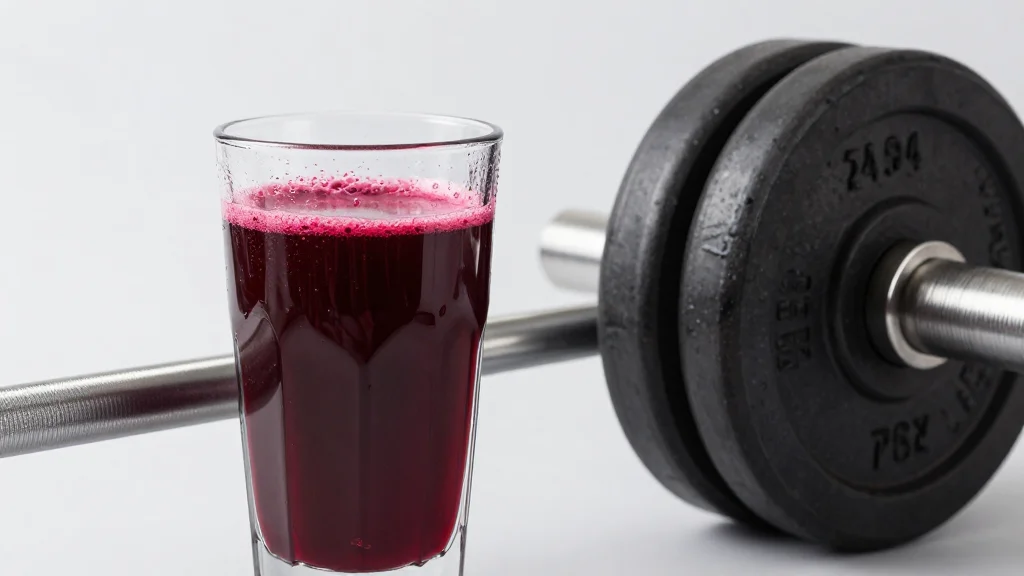
- •Beetroot juice (9.2 mmol nitrate) did not improve post‑activation jump performance
- •Nitrate supplementation increased total squat repetitions by ~1.6 reps
- •Acute nitrate may aid resistance‑exercise volume tolerance, not explosive output
- •Low‑volume activation protocols effectively boost short‑term power in jumpers
Pulse Analysis
Post‑activation performance enhancement (PAPE) has become a cornerstone of pre‑competition preparation for explosive athletes. By using a velocity‑based squat protocol that terminates after a 5% loss in bar speed, the researchers created a low‑volume, high‑intensity stimulus that reliably increased countermovement jump height, peak power output, and take‑off momentum within four minutes. This rapid potentiation aligns with prior work showing that carefully calibrated loads can maximize neuromuscular activation while limiting fatigue, offering a practical tool for coaches seeking immediate performance spikes in events like the long jump.
Dietary nitrate, typically delivered via beetroot juice, has garnered attention for its ability to boost nitric‑oxide production, improve muscle contractile efficiency, and enhance blood flow to fast‑twitch fibers. Meta‑analyses report modest gains in endurance and high‑cadence cycling, yet its impact on pure power tasks remains inconsistent. In this study, a single 100 ml dose containing roughly 9 mmol of nitrate failed to augment the PAPE‑driven jump improvements, suggesting that the nitrate‑mediated mechanisms—such as reduced oxygen cost and enhanced type II fiber recruitment—do not translate into additional explosive gains when the conditioning stimulus is already optimal.
The practical takeaway for strength‑and‑conditioning professionals is two‑fold. First, implementing a 5% velocity‑loss squat protocol can reliably elicit short‑term power enhancements without the need for supplemental nitrate. Second, acute beetroot‑juice ingestion may still be valuable for increasing the number of repetitions an athlete can perform at submaximal loads, potentially supporting strength‑endurance development and training volume management. Future research should explore chronic nitrate dosing, different timing windows, and sport‑specific movements to fully delineate where nitrate supplementation fits within a comprehensive performance‑optimization plan.
Effect of acute dietary nitrate intake on post-activation performance enhancement in male long jumpers
Comments
Want to join the conversation?
Loading comments...