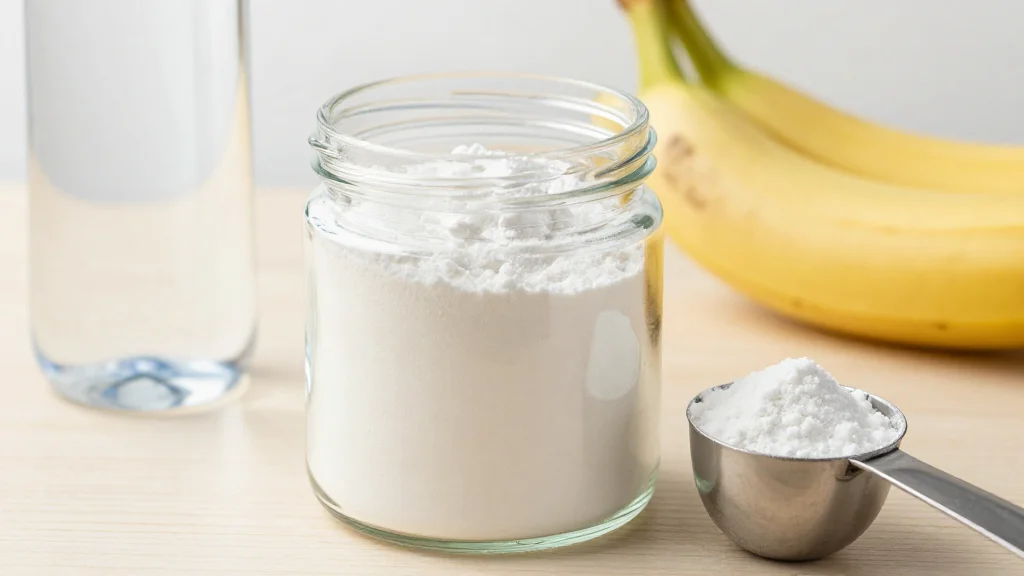
Effects of Beta-Alanine Supplementation on Exercise Performance and Related Physiological Outcomes in Women: A Systematic Review and Meta-Analysis
Why It Matters
The findings suggest beta‑alanine may enhance endurance tolerance in women, but the overall evidence is too weak to support broad supplementation recommendations for performance or body‑composition gains.
Key Takeaways
- •Beta‑alanine raised time‑to‑exhaustion by ~0.5 SMD in women (p=0.001).
- •No significant gains observed for peak power, anaerobic performance, or VO₂max.
- •Evidence certainty rated very low across outcomes because of bias and imprecision.
- •Study doses ranged 1.6–6.4 g/day for 3–8 weeks, covering sedentary to elite athletes.
- •Female‑specific factors like menstrual cycle phase were rarely reported, limiting applicability.
Pulse Analysis
Beta‑alanine remains a cornerstone of sports nutrition because it boosts intramuscular carnosine, enhancing the muscle’s ability to buffer hydrogen ions during high‑intensity work. While decades of research have documented modest performance gains in male cohorts, women have been under‑represented, leaving a gap in guidance for female athletes whose hormonal milieu and metabolic responses may differ. This review fills that void by aggregating data exclusively from randomized trials that isolated female participants, offering a clearer picture of how the supplement works across a spectrum of training statuses.
The meta‑analysis revealed a statistically significant, moderate increase in time‑to‑exhaustion, aligning with the theory that improved buffering primarily benefits endurance‑type tasks. In contrast, measures of peak power, anaerobic sprint capacity, VO₂max/VO₂peak and body‑fat percentage showed no clear benefit, reflecting the limited role of intracellular pH regulation in brief, maximal efforts or in adaptations driven by cardiovascular and metabolic pathways. Heterogeneity was low, yet the overall certainty was downgraded to very low because many trials lacked rigorous blinding, had small sample sizes, and omitted key female‑specific variables such as menstrual cycle phase or contraceptive use, inflating the risk of bias and imprecision.
For practitioners, the takeaway is cautious optimism: beta‑alanine may be a useful tool for female athletes seeking modest gains in exercise tolerance, but it should not be relied upon for power, aerobic capacity or fat‑loss outcomes. Future research must prioritize larger, well‑controlled RCTs that standardize dosing (commonly 1.6‑6.4 g/day for 3‑8 weeks), report hormonal status, and employ sport‑specific performance tests. Such rigor will enable more definitive, gender‑tailored nutrition strategies and help athletes and coaches make evidence‑based supplementation decisions.
Effects of beta-alanine supplementation on exercise performance and related physiological outcomes in women: a systematic review and meta-analysis
Comments
Want to join the conversation?
Loading comments...