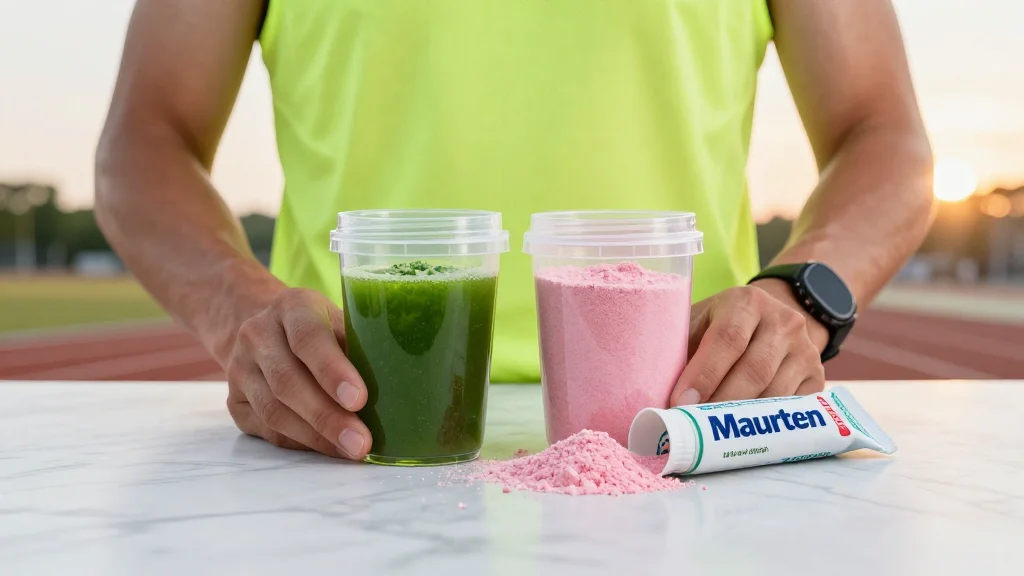
Endurance Athletes Test Baking Soda and Broccoli Shots, Results Mixed

Why It Matters
The article highlights a growing tension in the nutrition space: athletes are eager for legal performance enhancers, yet the scientific backing for many popular products remains thin. By documenting real‑world trials, the piece underscores the importance of evidence‑based guidance and may prompt regulators and manufacturers to prioritize transparent research. For coaches and dietitians, the findings reinforce the message that foundational nutrition and training should remain the priority, with supplements viewed as optional, not essential. Moreover, the premium pricing of products like Maurten’s Bicarb raises questions about value for money, especially when performance gains are modest. As more athletes experiment with such supplements, the industry could see increased demand for independent, sport‑specific studies, potentially reshaping product development and marketing strategies.
Key Takeaways
- •Runner and dietitian tested Maurten Bicarb, broccoli shots and a pink powder over two months.
- •Maurten Bicarb costs about $25 per dose; hydrogel formulation reduces GI side effects.
- •A 2024 Sports Medicine Journal study supports cycling benefits of sodium bicarbonate, but running data are inconclusive.
- •Kiana Gibson stresses supplements are a tertiary add‑on to core nutrition and training.
- •Emerging low‑cost alternatives like Flycarb are entering the market, intensifying competition.
Pulse Analysis
The current wave of endurance‑focused supplements reflects a classic market cycle: early adopters chase marginal gains, manufacturers respond with premium formulations, and the scientific community scrambles to validate claims. Maurten’s Bicarb system exemplifies this pattern—leveraging a well‑known ergogenic aid (sodium bicarbonate) but packaging it in a costly hydrogel to mitigate side effects. While the $25 price tag may deter casual athletes, the product’s niche appeal lies in its promise of a tolerable dosing protocol for high‑intensity events.
Historically, sodium bicarbonate has shown benefits in short‑duration, high‑intensity efforts, primarily in cycling. Translating those findings to running is challenging due to differing muscle recruitment patterns and the logistical constraints of timing the supplement’s onset. The runner’s experience—feeling a tingling sensation after 90 minutes but not consistently translating to race performance—mirrors the broader uncertainty in the literature. This suggests that manufacturers must tailor dosing strategies to sport‑specific demands or risk being relegated to a gimmick status.
From a market perspective, the proliferation of low‑cost alternatives like Flycarb could democratize access but also flood the space with products of variable quality. Without robust, independent trials, consumer trust may erode, prompting a shift toward evidence‑based endorsements from elite athletes and governing bodies. In the next 12‑18 months, we can expect heightened scrutiny from regulators, especially if adverse events or misleading claims surface. For athletes, the prudent path remains a balanced diet, structured training, and professional guidance before adding any supplement to the regimen.
Endurance Athletes Test Baking Soda and Broccoli Shots, Results Mixed
Comments
Want to join the conversation?
Loading comments...