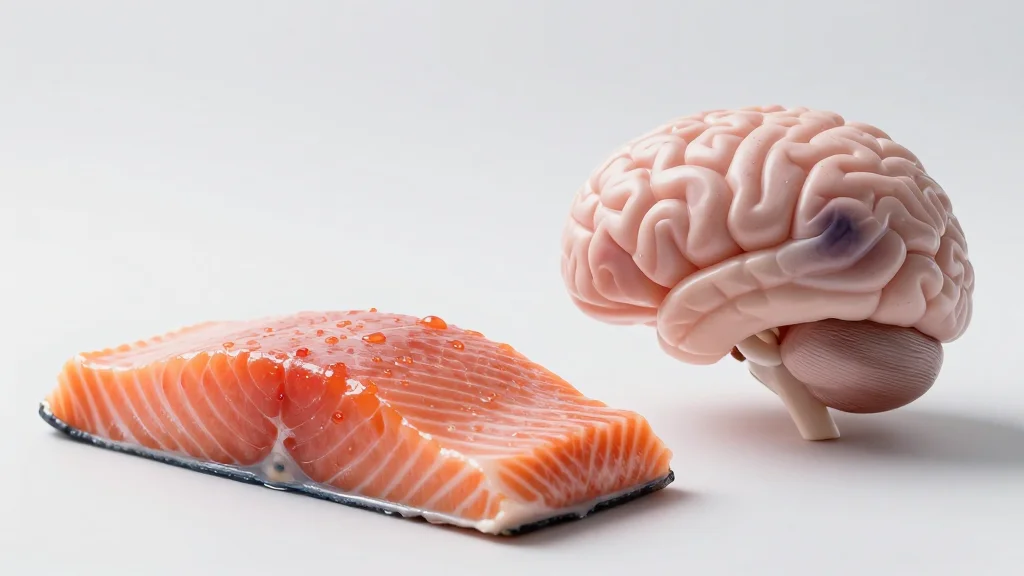
Fish Oil Supplement May Heighten CTE Risk After Brain Injury, Study Finds

Why It Matters
The discovery directly challenges the prevailing assumption that fish oil is universally beneficial, especially for populations at risk of brain injury. By linking a common supplement to impaired neurovascular repair, the study could reshape dietary recommendations for athletes, military personnel, and anyone recovering from concussion. Moreover, it underscores the importance of context‑specific research in nutrition, where a compound’s effects may vary dramatically depending on physiological state. If subsequent human studies confirm the mouse data, the findings could trigger regulatory scrutiny, prompting the Food and Drug Administration to consider warning labels for fish‑oil products. The broader nutrition community may also pivot toward more nuanced supplement guidelines that differentiate between cardiovascular and neuroprotective outcomes, potentially spurring the development of targeted omega‑3 formulations that avoid EPA’s anti‑angiogenic properties.
Key Takeaways
- •Cold Spring Harbor Laboratory researchers found EPA in fish oil blocks brain blood‑vessel formation after injury in mice.
- •Excess EPA was also detected in human tissue samples from patients diagnosed with CTE.
- •Study suggests fish‑oil supplementation could raise long‑term CTE risk for individuals with traumatic brain injuries.
- •Authors caution that fish oil still benefits heart and gut health, but context matters for brain recovery.
- •Future work will include larger animal models and longitudinal human studies funded by NIH and the VA.
Pulse Analysis
The new evidence arrives at a time when the supplement market is booming, with fish‑oil sales exceeding $1 billion annually in the United States. Historically, omega‑3 fatty acids have been promoted as a panacea for inflammation, cardiovascular disease, and even cognitive decline. This study, however, reveals a paradox: the same molecule that reduces systemic inflammation can impede the brain’s intrinsic repair mechanisms after trauma. The implication is that supplement manufacturers may need to segment their product lines, offering formulations low in EPA but high in docosahexaenoic acid (DHA) for athletes and others prone to head injuries.
From a market perspective, the findings could open a niche for alternative neuro‑supportive products that avoid EPA’s anti‑angiogenic effect. Companies that can demonstrate safety in post‑concussion scenarios may capture a premium segment of the sports‑nutrition market. Conversely, firms heavily invested in EPA‑rich fish‑oil capsules could face reputational risk and potential declines in sales if clinicians begin to advise against use in high‑risk groups.
Looking ahead, the research underscores a broader trend toward precision nutrition—tailoring dietary interventions to individual health contexts rather than applying blanket recommendations. As longitudinal data emerge, we may see a shift from generic "fish‑oil for everyone" messaging to more sophisticated guidance that integrates injury history, genetic risk factors, and metabolic profiling. This evolution could redefine how nutrition science informs public health policy and consumer behavior in the next decade.
Fish Oil Supplement May Heighten CTE Risk After Brain Injury, Study Finds
Comments
Want to join the conversation?
Loading comments...