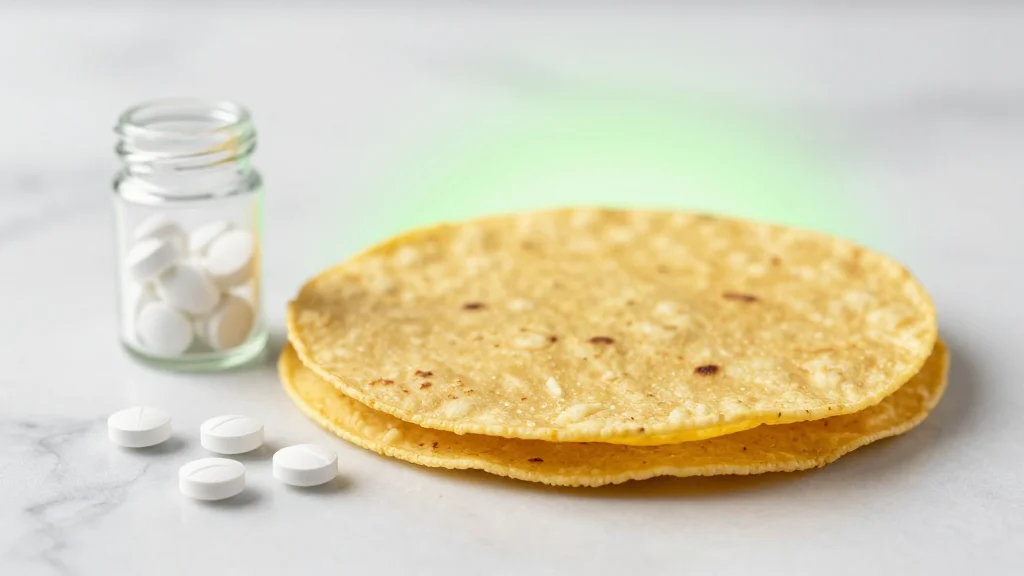
Food Makers Unveil “GLP‑1 Friendly” Tortillas and Meals as Weight‑Loss Drug Craze Grows

Companies Mentioned

Why It Matters
The emergence of a loosely defined “GLP‑1 friendly” label illustrates how rapidly evolving pharmaceutical trends can reshape food marketing, potentially blurring the line between medical guidance and commercial messaging. If unchecked, such labels could mislead consumers about the nutritional quality of everyday foods, undermining public health efforts to promote balanced diets. Beyond immediate consumer confusion, the trend raises questions about the adequacy of current food‑label regulations. As weight‑loss drugs become mainstream, regulators may need to develop specific standards for drug‑related nutrition claims to protect shoppers from overstated benefits and to ensure that manufacturers cannot exploit medical hype for profit.
Key Takeaways
- •Mission Foods, Nestlé and Conagra Brands have added an unregulated “GLP‑1 friendly” label to tortillas and frozen meals
- •USDA’s Food Safety and Inspection Service cleared the label but set only a no‑misleading requirement
- •Nearly 20% of U.S. adults have tried a GLP‑1 drug; households cut grocery spend by ~5% after starting treatment
- •Experts warn the label lacks scientific backing and enables cherry‑picking of protein or fiber content
- •Regulatory scrutiny is expected as FDA and consumer groups consider tighter rules for drug‑related food claims
Pulse Analysis
The rollout of “GLP‑1 friendly” branding is a textbook case of market opportunism riding the wave of a breakthrough therapy. Historically, similar patterns have emerged with low‑carb, keto and plant‑based labels, each initially unregulated before industry standards crystallized. Here, the speed of adoption—spanning major players like Nestlé and Conagra—suggests manufacturers anticipate a durable shift in consumer purchasing power as GLP‑1 prescriptions become a long‑term weight‑loss solution rather than a short‑term fad.
From a competitive standpoint, the label functions as a differentiator in an increasingly crowded frozen‑meal aisle. By foregrounding protein and fiber, brands can command premium shelf space and potentially higher margins, even if the overall caloric profile remains modest. However, the lack of a unified definition creates a double‑edged sword: while it lowers entry barriers, it also invites legal challenges and erodes consumer trust if products are later found to fall short of implied health benefits.
Looking ahead, the most likely catalyst for change will be regulatory clarification. The FDA has signaled intent to crack down on health‑claim misbranding, and state attorneys general have already pursued actions against vague “immune‑boosting” labels. If a formal nutrient threshold for “GLP‑1 friendly” emerges—perhaps requiring a minimum protein density and fiber ratio—companies will need to reformulate or re‑brand, reshaping product pipelines. Until then, savvy shoppers and clinicians will have to parse the fine print, and the nutrition community will continue to monitor whether the label ultimately aids or hinders the dietary goals of GLP‑1 users.
Food Makers Unveil “GLP‑1 Friendly” Tortillas and Meals as Weight‑Loss Drug Craze Grows
Comments
Want to join the conversation?
Loading comments...