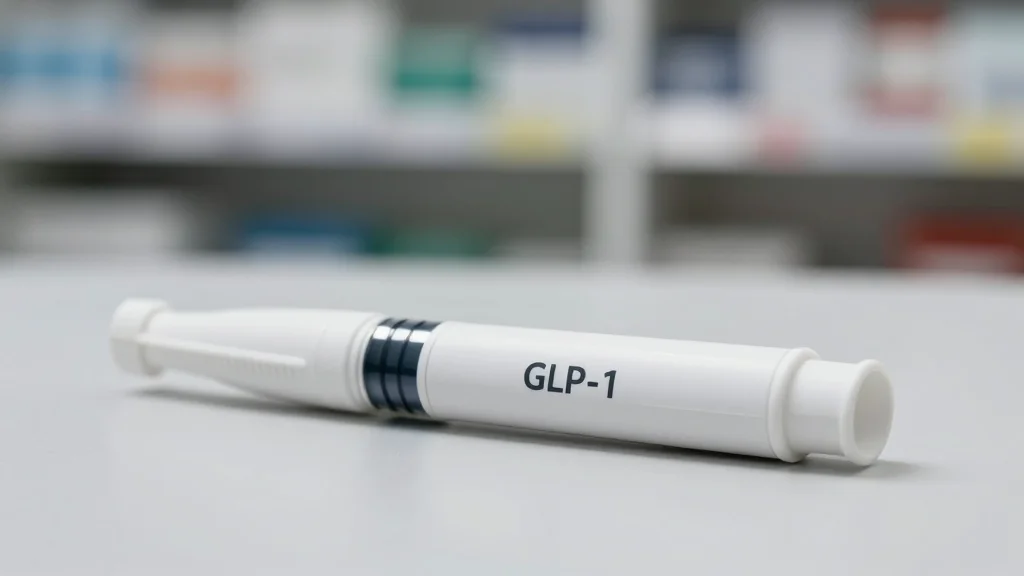
GLP‑1 Weight‑Loss Drugs Spark Global Overhaul of Obesity Care

Companies Mentioned
Why It Matters
The GLP‑1 surge redefines the nutrition landscape by positioning pharmaceutical weight‑loss solutions alongside traditional diet and lifestyle interventions. Food manufacturers, diet‑program providers and wellness apps must now consider how drug‑enabled appetite control will affect consumer behavior, product demand and public health messaging. Moreover, the regulatory focus on prescription oversight signals a shift toward integrated care models that could reshape insurance coverage, clinical guidelines and the economics of obesity prevention. If managed responsibly, the convergence of medication and nutrition could reduce obesity‑related morbidity and lower long‑term health‑care costs. Conversely, unchecked self‑medication and counterfeit markets risk eroding public trust, exacerbating nutritional deficiencies, and creating a fragmented approach to weight management that undermines both medical and dietary strategies.
Key Takeaways
- •U.S. prescriptions for Ozempic and Mounjaro have surged, creating nationwide shortages.
- •Canada restricted exports to protect domestic supply; Europe tightened prescribing rules.
- •India's manufacturer warned that Ozempic is a diabetes drug, not a cosmetic weight‑loss product.
- •March 2026 semaglutide patent expiry spurred generic launches, promising lower prices but raising quality concerns.
- •Health authorities stress structured, prescription‑based care to curb self‑medication and counterfeit risks.
Pulse Analysis
The GLP‑1 wave marks the first time a class of drugs has reshaped the nutrition market at scale. Historically, weight‑loss interventions relied on diet, exercise and behavioral counseling; now, a pharmacological lever can produce rapid, clinically significant weight reductions, forcing the entire ecosystem to adapt. Insurers, for instance, will need to redesign reimbursement models that bundle medication with nutrition counseling, mirroring bundled payment approaches seen in chronic disease management.
From a competitive standpoint, the entry of generics following the semaglutide patent expiry could democratize access, but it also fragments the market. Large pharma will likely compete on brand trust and safety monitoring, while smaller manufacturers may chase price‑sensitive segments, potentially widening the gap between regulated and black‑market channels. The risk of counterfeit products underscores the necessity for robust supply‑chain verification, perhaps accelerating adoption of blockchain‑based drug tracing.
Looking ahead, the most successful jurisdictions will be those that embed GLP‑1 therapy within a holistic obesity framework—linking prescriptions to dietitian services, community exercise programs and mental‑health support. Such integrated models could set a new standard for nutrition‑related therapeutics, turning obesity from a stigmatized condition into a managed chronic disease. The challenge will be aligning incentives across pharma, providers, insurers and policymakers to ensure that the promise of GLP‑1 drugs translates into sustainable health outcomes rather than a fleeting trend driven by social media hype.
GLP‑1 Weight‑Loss Drugs Spark Global Overhaul of Obesity Care
Comments
Want to join the conversation?
Loading comments...