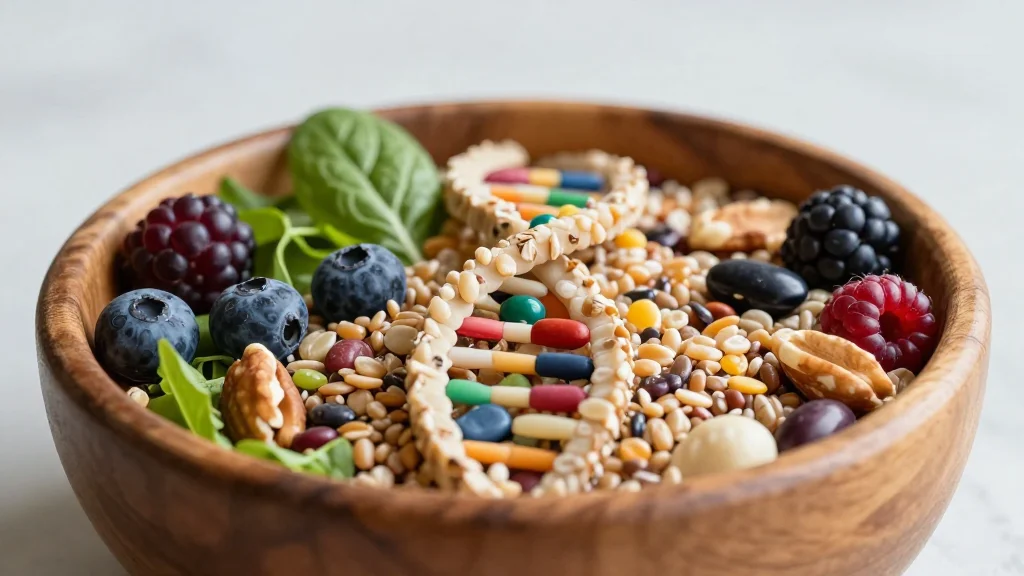
Higher Plant‑Based Food Intake Slows Epigenetic Aging in Nearly 5,000 U.S. Adults

Why It Matters
The study bridges nutrition science and molecular biology, providing concrete evidence that everyday food choices can influence the epigenetic mechanisms that drive aging. By linking plant‑rich diets to a slower biological clock, the research offers a tangible target for public‑health interventions aimed at extending healthspan, not just lifespan. If subsequent trials confirm causality, dietary guidelines could evolve from calorie‑counting frameworks to biologically informed prescriptions, reshaping how clinicians counsel patients on disease prevention. Beyond individual health, the findings have socioeconomic implications. Slower biological aging could reduce the burden of chronic diseases that disproportionately affect underserved communities, many of which were well represented in the ARIC and NHANES cohorts. Policymakers could therefore view plant‑forward nutrition as a lever for health equity, aligning dietary recommendations with broader goals of reducing healthcare costs and narrowing health disparities.
Key Takeaways
- •Study analyzed 2,810 ARIC participants and 2,056 NHANES participants (total ~5,000).
- •Higher scores on overall and healthy plant‑based diet indices linked to younger epigenetic age.
- •Benefit observed across diverse racial and ethnic groups, not limited to any single demographic.
- •Modest increases in whole‑grain, fruit, vegetable, nut and bean intake sufficient to see effect.
- •Researchers call for randomized trials to test causality and explore specific plant compounds.
Pulse Analysis
The convergence of large‑scale epidemiology and epigenetic clocks marks a turning point for nutrition research. Historically, diet‑disease links have been inferred from clinical outcomes—heart disease, diabetes, obesity—while the molecular underpinnings remained speculative. This study provides a quantifiable biomarker that translates dietary patterns into a measurable aging signal, offering a new yardstick for evaluating nutrition interventions.
From a market perspective, the findings could accelerate growth in the plant‑based food sector. Companies that position their products as sources of whole‑grain, fruit, vegetable, nut and bean nutrients may now claim not just cardiovascular or weight‑management benefits but also a potential slowdown of cellular aging. This could spur investment in functional foods that are fortified with bioactive compounds known to affect DNA methylation, such as polyphenols and omega‑3 fatty acids.
However, the observational nature of the data warrants caution. Confounding lifestyle factors—exercise, socioeconomic status, access to healthcare—still loom large, and the epigenetic clock itself, while predictive, is not yet a definitive surrogate for disease risk. The next wave of research must move beyond association to intervention, testing whether prescribed plant‑forward meals can reproducibly shift methylation patterns and, crucially, whether those shifts translate into fewer age‑related illnesses.
If randomized trials validate the hypothesis, we could see a paradigm shift in preventive medicine: dietary counseling would incorporate epigenetic monitoring, insurers might reimburse plant‑based meal plans, and public health campaigns could frame plant foods as a molecular anti‑aging tool. Until then, the study serves as a compelling proof‑of‑concept that the foods on our plates echo deep within our genome, nudging the biological clock toward a slower, healthier rhythm.
Higher Plant‑Based Food Intake Slows Epigenetic Aging in Nearly 5,000 U.S. Adults
Comments
Want to join the conversation?
Loading comments...