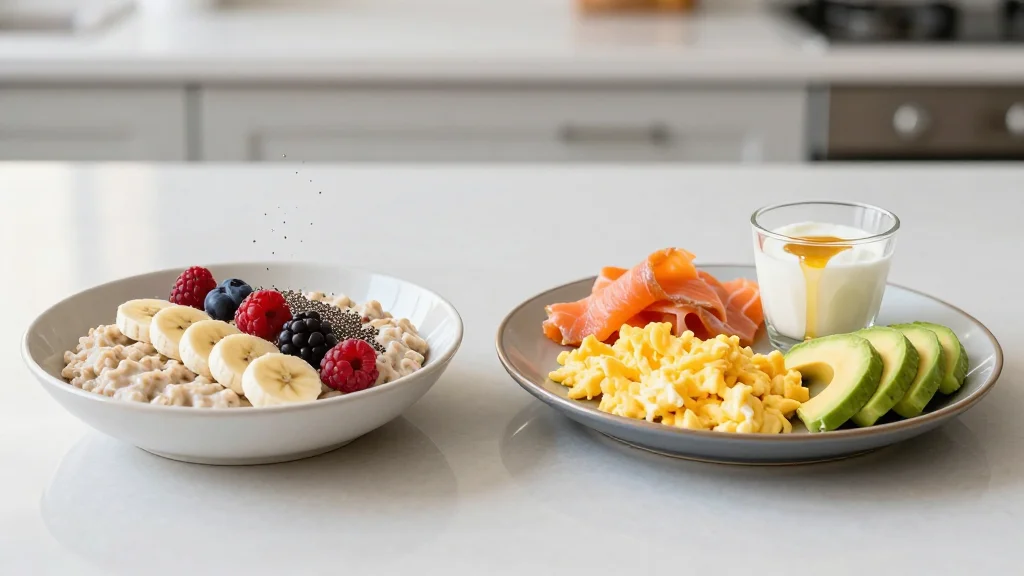
High‑Fiber Breakfast Trims More Weight Than High‑Protein, Study Shows

Why It Matters
The trial provides rare head‑to‑head evidence on how macronutrient composition at breakfast can simultaneously influence body weight and gut ecology. With obesity rates climbing globally, even a 1 kg difference over two months can be a decisive factor for individuals seeking sustainable weight loss. Moreover, the gut‑microbiome link adds a layer of preventive health, as a diverse, butyrate‑producing microbiota is associated with lower inflammation and reduced risk of metabolic diseases. If the combined high‑fiber, high‑protein model gains traction, it could reshape product development in the ready‑to‑eat breakfast sector, prompting manufacturers to fortify meals with soluble fibers while preserving protein quality. Public‑health guidelines may also evolve to stress the importance of fiber‑rich breakfasts, moving beyond the traditional focus on calorie counting alone.
Key Takeaways
- •71‑day crossover trial with 19 overweight adults (BMI 27–42)
- •High‑fiber breakfast led to ~1 kg greater weight loss than high‑protein
- •Fiber diet increased Bifidobacteria; protein diet reduced microbial diversity
- •High‑protein meals suppressed appetite more effectively
- •Researchers recommend a combined high‑fiber, high‑protein breakfast for optimal outcomes
Pulse Analysis
The study arrives at a moment when the nutrition industry is wrestling with competing narratives: high‑protein diets are marketed as the gold standard for satiety and muscle preservation, while fiber‑focused campaigns emphasize gut health and chronic‑disease prevention. This trial bridges the divide by quantifying both weight‑loss and microbiome endpoints, suggesting that the dichotomy may be false. Historically, protein‑centric weight‑loss programs have dominated commercial weight‑loss programs and supplement sales, but emerging data on the microbiome’s role in energy harvest is shifting consumer expectations.
From a market perspective, the findings could accelerate a new wave of hybrid breakfast products that blend soluble fibers (e.g., inulin, resistant starch) with high‑quality proteins (e.g., plant‑based isolates). Companies that have already invested in fiber‑enhanced snack lines may find a ready‑made justification to expand into breakfast categories. Conversely, pure‑protein meal‑replacement brands may need to reformulate to retain market share, especially if dietitians begin to prescribe fiber‑protein combos as the evidence base widens.
Looking ahead, the planned larger trial will be critical for confirming scalability. If the weight‑loss advantage holds in a broader population, insurers and public‑health agencies might incorporate breakfast composition into preventive‑care guidelines, potentially influencing reimbursement for nutrition counseling. For consumers, the practical takeaway is clear: a balanced breakfast that pairs fiber‑rich foods with adequate protein may deliver the best of both worlds—appetite control and a healthier gut.
High‑Fiber Breakfast Trims More Weight Than High‑Protein, Study Shows
Comments
Want to join the conversation?
Loading comments...