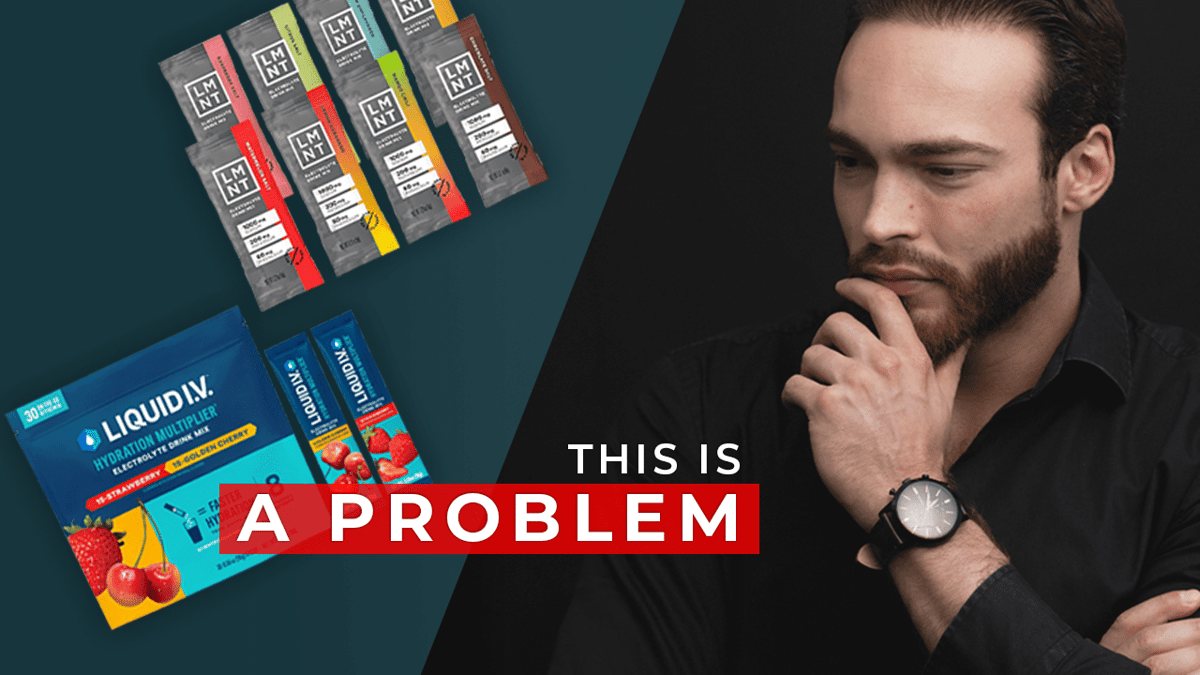
I Read Every Electrolyte Study. The Industry Is Lying.
Key Takeaways
- •Electrolyte supplements mainly add sodium, not performance boost for most
- •Benefits appear only during >4 hours exercise or extreme heat
- •Average daily sodium (3‑5 g) already exceeds recommended limits
- •One supplement packet adds ~1 g sodium, raising cardiovascular risk
- •Marketing claims ignore evidence; most users face zero‑reward, all‑risk
Pulse Analysis
The electrolyte supplement market has exploded in recent years, driven by aggressive branding that equates “minerals” with performance miracles. Yet a growing body of peer‑reviewed research reveals that most over‑the‑counter products are essentially packets of table salt with a few trace minerals. For the typical consumer—who already consumes 3 to 5 grams of sodium daily—these additions provide no measurable ergogenic benefit and push total intake well beyond the 2‑2.4 gram limits recommended by health authorities.
Physiologically, sodium is essential for fluid balance, nerve transmission, and muscle function, but the body tightly regulates its concentration. During prolonged, high‑intensity activity lasting more than four hours, especially in hot environments, sweat can expel 0.7‑2.7 grams of sodium per hour, creating a genuine need for replenishment. Outside that narrow window, the average diet’s sodium load already covers basal requirements and the modest extra loss from typical workouts. Adding a gram of sodium per supplement packet can raise blood pressure linearly, increasing the risk of hypertension, stroke, and other cardiovascular events.
The implications for the supplement industry are stark. Brands that market universal electrolyte powders to casual gym‑goers are capitalizing on misinformation, while consumers waste money on a product that may harm their health. Stakeholders—including retailers, health professionals, and policymakers—should prioritize evidence‑based labeling and educate buyers about when supplementation is truly warranted. By aligning marketing with scientific consensus, the market can shift toward targeted solutions for endurance athletes, keto‑diet adherents, and patients with medical sodium‑loss conditions, while reducing unnecessary exposure for the broader public.
I Read Every Electrolyte Study. The Industry Is Lying.
Comments
Want to join the conversation?