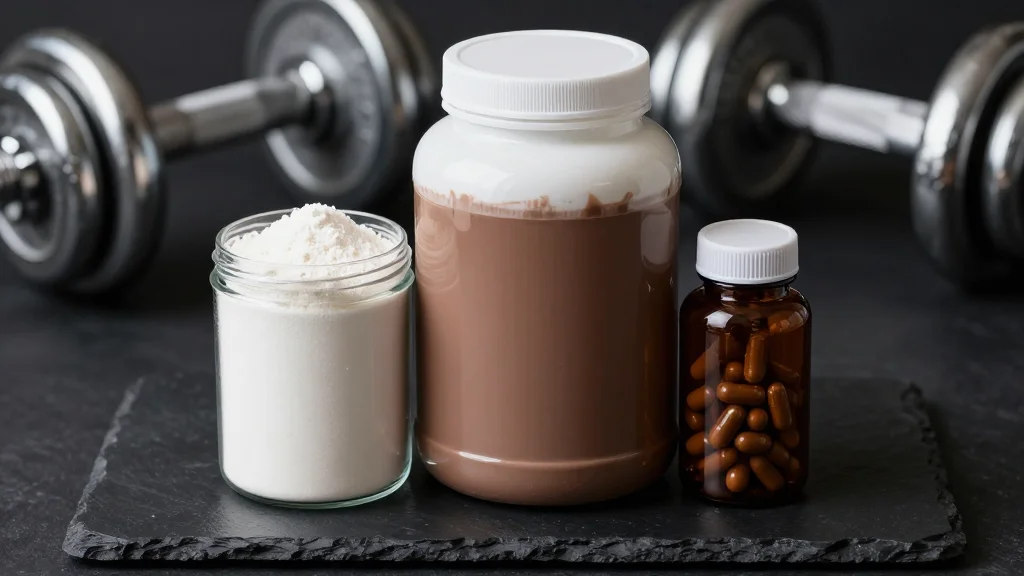
If You Exercise 5+ Times A Week — These Supplements Should Be In Your Stack
Why It Matters
Targeted supplementation bridges the gap between nutrition and training, delivering measurable gains in muscle, recovery, and longevity for active consumers. As the fitness‑supplement market expands, evidence‑based choices drive better health outcomes and stronger brand credibility.
Key Takeaways
- •Creatine 5 g daily supports muscle growth and strength
- •Whey protein delivers fast amino acids for post‑workout recovery
- •Magnesium replenishment reduces soreness and improves exercise performance
- •Older adults gain extra strength benefits from regular creatine use
- •Pairing magnesium with tart cherry enhances recovery and inflammation control
Pulse Analysis
The supplement sector has seen a surge in demand for products that can demonstrably improve workout outcomes. Creatine, long‑studied for its role in ATP regeneration, remains the most researched ergogenic aid, with recent trials showing an average 2.5‑lb increase in lean mass when combined with resistance training. Its low cost, safety profile, and applicability across age groups make it a staple for both novice gym‑goers and seasoned athletes, reinforcing its position as a core component of performance‑oriented nutrition stacks.
Whey protein continues to dominate the protein‑supplement market due to its complete amino‑acid profile and rapid digestion rate. The high leucine content triggers muscle protein synthesis within an hour of ingestion, making it ideal for post‑exercise recovery windows. Beyond muscle repair, whey’s influence on insulin secretion helps moderate blood‑glucose spikes, supporting metabolic health for active individuals. Brands are capitalizing on these benefits by offering flavored, fortified, and plant‑blended variants to capture a broader consumer base.
Magnesium’s role as an electrolyte and co‑factor in energy production often goes underappreciated in mainstream fitness advice. Regular intense training depletes magnesium through sweat, leading to increased muscle cramping and delayed recovery. Supplementation of 300‑400 mg daily has been linked to reduced perceived soreness and enhanced performance metrics. When combined with tart‑cherry powder, which supplies polyphenols that dampen oxidative stress, athletes report faster recovery times and lower inflammatory markers. Incorporating magnesium into a daily regimen therefore offers a cost‑effective strategy to sustain training frequency and intensity.
If You Exercise 5+ Times A Week — These Supplements Should Be In Your Stack
Comments
Want to join the conversation?
Loading comments...