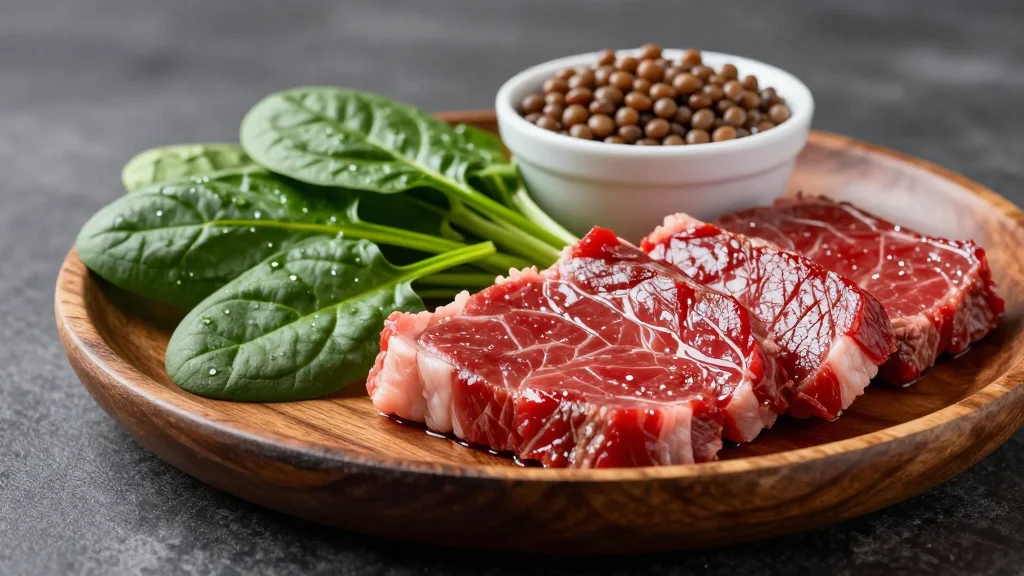
Iron Deficiency Affects 31% of Women: New Guidance on Symptoms, Testing and Diet

Why It Matters
Iron deficiency remains a silent epidemic that undermines workforce productivity, mental health and maternal outcomes. By translating clinical ferritin thresholds into clear consumer advice, the article bridges a gap between medical diagnostics and everyday nutrition, potentially reducing the burden on primary‑care services. Moreover, the emphasis on dietary strategies aligns with broader public‑health goals to address micronutrient deficiencies without over‑reliance on supplements, supporting sustainable eating patterns. The guidance also highlights the diagnostic nuance required for men and post‑menopausal women, where low iron may signal gastrointestinal pathology. Early detection through ferritin testing could therefore facilitate earlier cancer screening, saving lives and health‑system costs. As the UK grapples with rising healthcare demand, empowering individuals with actionable knowledge about iron status could have measurable economic and societal benefits.
Key Takeaways
- •Iron deficiency affects 31% of women and 3% of men in the UK, according to the Times guide.
- •Ferritin levels below 30 µg/L generally indicate iron deficiency; 15 µg/L is a common cut‑off for women.
- •Heme iron from red meat and liver is most readily absorbed; non‑heme iron from plants needs vitamin C to boost uptake.
- •Phytates in seeds, beans and grains inhibit absorption; calcium, tea and coffee also reduce iron uptake.
- •Persistent low ferritin in meat‑eaters may warrant investigation for gastrointestinal bleeding or bowel cancer.
Pulse Analysis
The Times' iron‑deficiency guide arrives at a moment when nutrition journalism is shifting from generic wellness tips to evidence‑based, clinically anchored advice. By anchoring the story in ferritin thresholds and quoting leading clinicians, the piece elevates the conversation from anecdote to actionable health policy. This reflects a broader trend where media outlets act as intermediaries for public‑health messaging, especially for conditions that are both common and under‑diagnosed.
Historically, iron deficiency has been tackled through blanket supplementation programs, which sometimes overlook absorption nuances and the risk of excess iron. The article’s focus on food‑based strategies, paired with timing recommendations around calcium and polyphenols, signals a more sophisticated public‑health narrative that respects dietary diversity while still addressing gaps. If readers adopt these practices, we could see a modest reduction in fatigue‑related absenteeism and a downstream decline in iron‑related complications during pregnancy.
Looking ahead, the integration of ferritin testing into routine health checks could become a standard preventive measure, especially for women of reproductive age. The guide’s call for follow‑up testing after dietary changes mirrors chronic‑disease management models, suggesting that iron status may soon be monitored with the same rigor as blood pressure or cholesterol. Such a shift would require coordination between primary‑care providers, labs and nutrition educators, but the potential payoff—a healthier, more productive population—makes it a compelling public‑health target.
Iron Deficiency Affects 31% of Women: New Guidance on Symptoms, Testing and Diet
Comments
Want to join the conversation?
Loading comments...