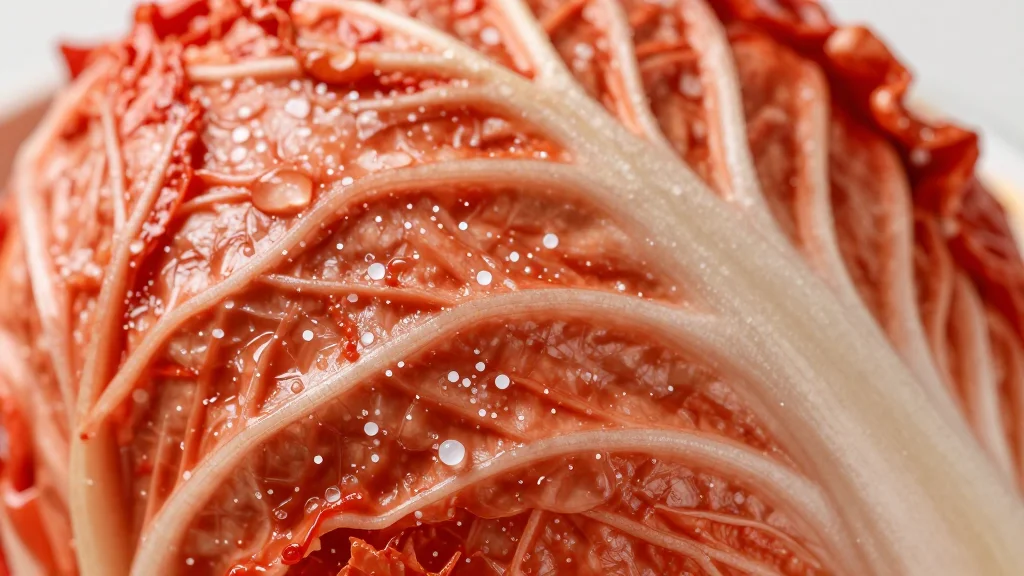
Kimchi Probiotics Show Promise in Binding Microplastics, Study Finds

Why It Matters
Microplastics have been detected in blood, lung tissue, and even placental samples, raising concerns about chronic inflammation, endocrine disruption, and long‑term health effects. Demonstrating a dietary means to reduce internal plastic burden would provide a low‑cost, widely accessible intervention, potentially lowering disease risk for vulnerable populations. Moreover, confirming a functional role for fermented foods could accelerate research into other microbiome‑mediated detox pathways, expanding the toolkit for environmental health management. Conversely, premature promotion of unproven benefits could mislead consumers and divert attention from more effective exposure‑reduction strategies, such as improving water filtration and reducing plastic waste. Clear scientific validation is therefore essential to ensure that nutrition recommendations are both safe and evidence‑based.
Key Takeaways
- •Lab study shows kimchi‑derived Lactobacillus plantarum binds up to 74% of 100‑nm polystyrene nanoparticles.
- •Follow‑up research at Kyung Hee University observed altered nanoparticle sedimentation in co‑culture models.
- •2024 review lists several fermented foods and algae as potential microplastic‑binding candidates, but no human trials exist.
- •Experts call for longitudinal studies measuring microplastic biomarkers before and after dietary interventions.
- •NIEHS has earmarked microplastic exposure as a priority research area, likely increasing funding for human studies.
Pulse Analysis
The kimchi‑microplastic link illustrates a broader trend where nutrition science is intersecting with environmental health. Historically, functional foods have been marketed on the basis of modest, well‑studied benefits—fiber for cholesterol, omega‑3s for heart disease. This emerging narrative attempts to position fermented foods as active agents against a novel pollutant, leveraging the growing public anxiety over plastic exposure. If validated, it could create a new sub‑category of “detox” foods, prompting a wave of product development and regulatory scrutiny.
However, the scientific pathway from in‑vitro binding to clinically meaningful excretion is fraught with uncertainty. The gut microbiome’s complexity means that a probiotic’s ability to capture particles in a test tube does not guarantee that the same interaction occurs amid competing microbes, host enzymes, and variable transit times. Past attempts to claim health benefits from food‑based toxin removal—such as heavy‑metal chelation by certain teas—have often faltered when subjected to rigorous trials. Investors and brands should therefore temper enthusiasm with a realistic appraisal of the evidentiary gap.
Looking ahead, the most impactful outcome may be the methodological advances spurred by this line of inquiry. Developing reliable biomarkers for internal microplastic load will benefit not only nutrition research but also toxicology, epidemiology, and public‑policy efforts aimed at reducing exposure. Should longitudinal studies confirm a modest reduction in plastic burden from fermented‑food diets, the result could reinforce the case for broader dietary patterns that support a resilient microbiome, rather than single‑food miracles. In the meantime, the story serves as a reminder that scientific rigor must keep pace with consumer hype, especially when environmental contaminants intersect with everyday nutrition choices.
Kimchi Probiotics Show Promise in Binding Microplastics, Study Finds
Comments
Want to join the conversation?
Loading comments...