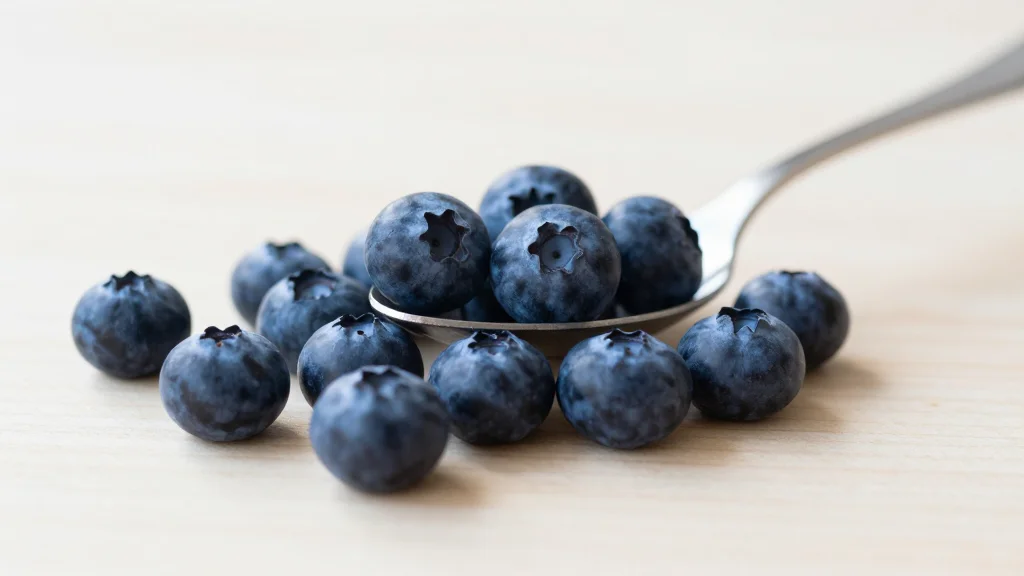
Maine Wild Blueberries Proven to Boost Heart and Gut Health, Study Finds

Why It Matters
The study provides the first comprehensive, peer‑reviewed evidence that a specific, regionally grown fruit can deliver measurable cardiovascular and metabolic benefits. By quantifying the superior polyphenol and fiber content of wild blueberries, the research gives dietitians and clinicians a concrete tool for recommending functional foods that address chronic disease risk. Moreover, the findings could reshape agricultural policy, encouraging growers to prioritize wild blueberry cultivation and supporting rural economies in Maine. For the broader nutrition sector, the work underscores the importance of translating pre‑clinical data into human trials and establishing clear dosage guidelines. As consumers increasingly seek foods with proven health claims, validated research like this helps differentiate scientifically backed products from marketing hype, fostering greater trust in the functional‑food market.
Key Takeaways
- •Wild blueberries contain twice the antioxidants, 72% more fiber and 33% more anthocyanins than conventional blueberries.
- •Six‑week animal studies showed reduced vascular inflammation and improved endothelial function.
- •Human participants who ate ½‑1 cup daily experienced better flow‑mediated dilation and modest lipid improvements.
- •Researchers recommend daily consumption of half to one cup, in fresh, frozen or freeze‑dried form.
- •Upcoming double‑blind trial aims to confirm long‑term cardiovascular benefits in at‑risk adults.
Pulse Analysis
The University of Maine’s findings arrive at a moment when the functional‑food industry is scrambling for scientifically validated ingredients. Historically, many berry‑based products have relied on generic antioxidant claims, which regulators have increasingly scrutinized. By delivering precise metrics—twice the antioxidant capacity and a clear mechanistic link to endothelial health—wild blueberries stand out as a rare example of a whole food with a robust evidence base.
From a market perspective, the data could catalyze a premium segment for “wild‑blueberry‑enhanced” products, similar to the rise of acai and goji berries a decade ago. However, unlike those trends, wild blueberries benefit from an established supply chain in the U.S., reducing the risk of supply bottlenecks and allowing manufacturers to scale quickly. The freeze‑drying and flash‑freezing technologies highlighted in the study also lower logistical barriers, preserving bioactive compounds without the need for exotic processing.
Looking forward, the upcoming large‑scale trial will be the litmus test for whether wild blueberries can move from niche health food to a mainstream preventive nutrition recommendation. If the trial confirms sustained cardiovascular risk reduction, insurers and public‑health programs may begin to endorse wild blueberry consumption, mirroring how omega‑3 fish oils transitioned from supplement to dietary guideline. Such endorsement would not only boost demand but also incentivize research into breeding programs that enhance the berry’s polyphenol profile, creating a virtuous cycle of agricultural innovation and health outcomes.
Maine Wild Blueberries Proven to Boost Heart and Gut Health, Study Finds
Comments
Want to join the conversation?
Loading comments...