Meal Delivery and Phone Counseling Cut Veteran Blood Pressure in New Trial

Why It Matters
Hypertension remains the leading modifiable risk factor for cardiovascular disease, and veterans experience disproportionately high rates of both hypertension and obesity. Traditional dietary interventions often falter due to logistical constraints, especially in rural or low‑income populations. This trial demonstrates that a brief, home‑based meal program coupled with remote dietitian support can overcome those barriers, delivering measurable clinical benefits. Successful scaling could transform how the VA and other health systems address diet‑related chronic disease, shifting resources from costly inpatient care to preventive nutrition services. Beyond the veteran community, the study offers a proof‑of‑concept for integrating food delivery logistics with tele‑health counseling—a model that could be adapted for Medicare, Medicaid, and private insurers seeking cost‑effective strategies to curb hypertension‑related expenditures.
Key Takeaways
- •71 veterans enrolled; 61 completed the 7‑month trial
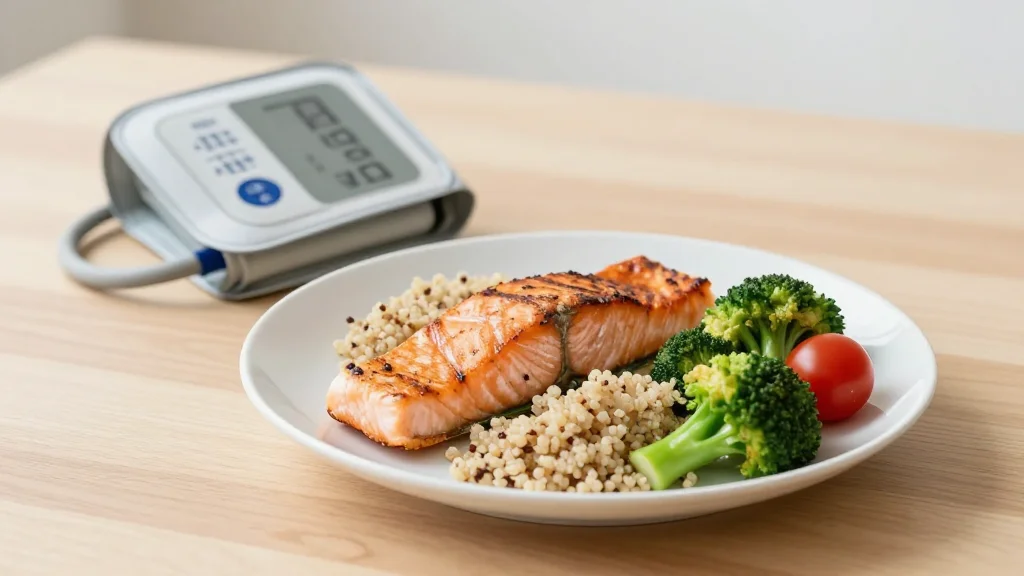
- •Two‑week home‑delivered DASH‑SRD meals provided eucaloric, low‑sodium nutrition
- •Five monthly phone‑based dietitian counseling sessions delivered via motivational interviewing
- •Half of participants used the WHEELS mobile app to reinforce dietary messaging
- •Significant reductions in clinic and 24‑hour ambulatory blood pressure observed
Pulse Analysis
The trial’s hybrid approach—combining a short, intensive meal delivery phase with sustained remote counseling—addresses two persistent challenges in nutrition therapy: adherence and accessibility. Historically, DASH diet studies have shown blood‑pressure benefits, but real‑world implementation has lagged because patients struggle to maintain the diet without ongoing support. By front‑loading the intervention with a concrete, two‑week meal plan, participants experience immediate exposure to the dietary pattern, which likely lowers the cognitive load of meal planning and reduces decision fatigue. The subsequent phone counseling serves as a behavioral bridge, reinforcing habits formed during the meal phase and providing accountability.
From a health‑system perspective, the model is attractive because it leverages existing tele‑health infrastructure while limiting the duration of costly food provision. The modest 14‑day meal period reduces supply‑chain complexity, and the five counseling calls can be scheduled flexibly, minimizing staff time. If the WHEELS app proves to add measurable benefit, the VA could further automate reinforcement, scaling the program without proportional increases in personnel costs.
Looking ahead, the key to broader adoption will be demonstrating cost‑effectiveness at scale. The VA’s integrated electronic health records enable precise tracking of medication changes, blood‑pressure outcomes, and downstream events such as myocardial infarction or stroke. A larger, multi‑site trial that captures these hard endpoints, alongside quality‑of‑life metrics, will be essential to convince payers and policymakers that short‑term nutrition interventions can yield long‑term savings. Moreover, the model could be adapted for other chronic conditions where diet plays a pivotal role, such as diabetes and chronic kidney disease, expanding its impact beyond hypertension.
Overall, this study marks a pragmatic step toward operationalizing evidence‑based nutrition guidance in a population that has historically been hard to reach, setting the stage for a new era of diet‑centric preventive care.
Meal Delivery and Phone Counseling Cut Veteran Blood Pressure in New Trial
Comments
Want to join the conversation?
Loading comments...