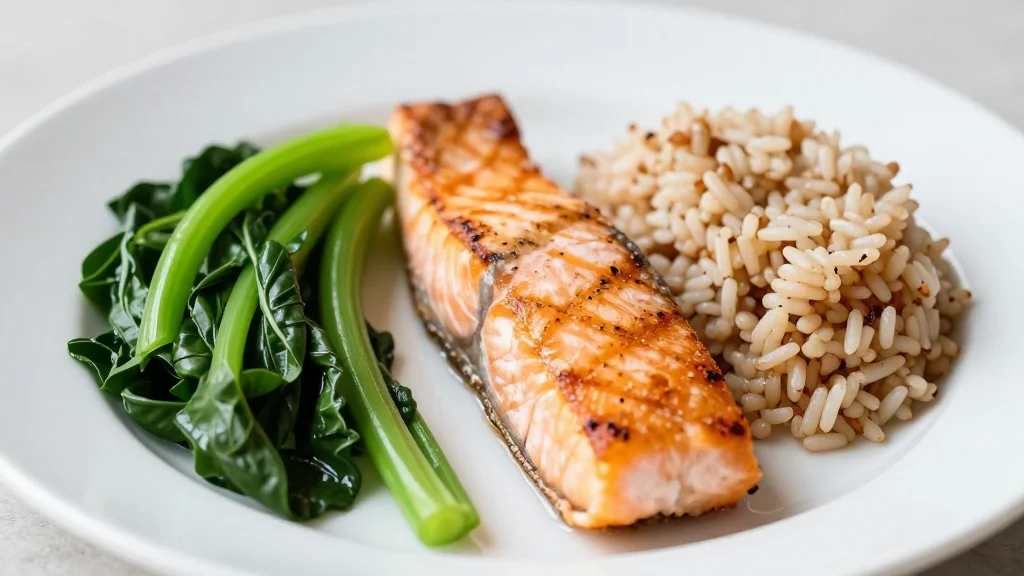
Meal Sequence Study Shows Glucose Control Comparable to Drugs

Why It Matters
Post‑prandial glucose spikes are a major driver of cardiovascular complications in diabetes. Demonstrating that a low‑cost behavioral tweak can achieve drug‑like reductions challenges the prevailing reliance on medication alone and opens a pathway for preventive nutrition strategies. Moreover, the study underscores the importance of meal architecture, a factor often overlooked in standard dietary counseling, and could catalyze new research into how other eating patterns affect metabolic health. For patients, the prospect of controlling blood sugar without additional pills offers both psychological empowerment and potential financial relief. For the broader health system, widespread adoption could translate into fewer prescriptions, reduced drug‑related adverse events, and lower long‑term costs associated with diabetes complications.
Key Takeaways
- •Study in Diabetes Care (Jan 2025) shows carb‑last eating reduces glucose peaks >40%
- •Glucose AUC lowered by 38.8% when vegetables and protein are eaten first
- •Effect persisted for at least three hours after the meal
- •Mechanisms: delayed gastric emptying and GLP‑1 release from protein
- •Potential to influence dietary guidelines and create tech‑enabled nutrition tools
Pulse Analysis
The meal‑sequence finding arrives at a moment when the diabetes market is saturated with incremental drug innovations but still grapples with adherence challenges. Historically, lifestyle interventions have been touted as the cornerstone of diabetes management, yet real‑world implementation has lagged. This study provides a concrete, quantifiable behavior that can be measured, taught, and potentially automated.
From a competitive standpoint, pharmaceutical firms may view the data as a threat to early‑line oral agents, prompting them to invest in combination therapies that pair modest drug doses with proven dietary protocols. Conversely, nutrition‑focused startups could leverage the evidence to differentiate their platforms, offering personalized meal‑order coaching that integrates with continuous glucose monitors (CGMs).
Looking ahead, the key question is scalability. If larger, multi‑ethnic trials confirm the effect, insurers might reimburse dietitian‑led meal‑order counseling, and public health campaigns could embed the sequence into school lunch programs. The convergence of clinical nutrition research, digital health, and policy could transform a simple eating habit into a cornerstone of chronic disease prevention.
Meal Sequence Study Shows Glucose Control Comparable to Drugs
Comments
Want to join the conversation?
Loading comments...