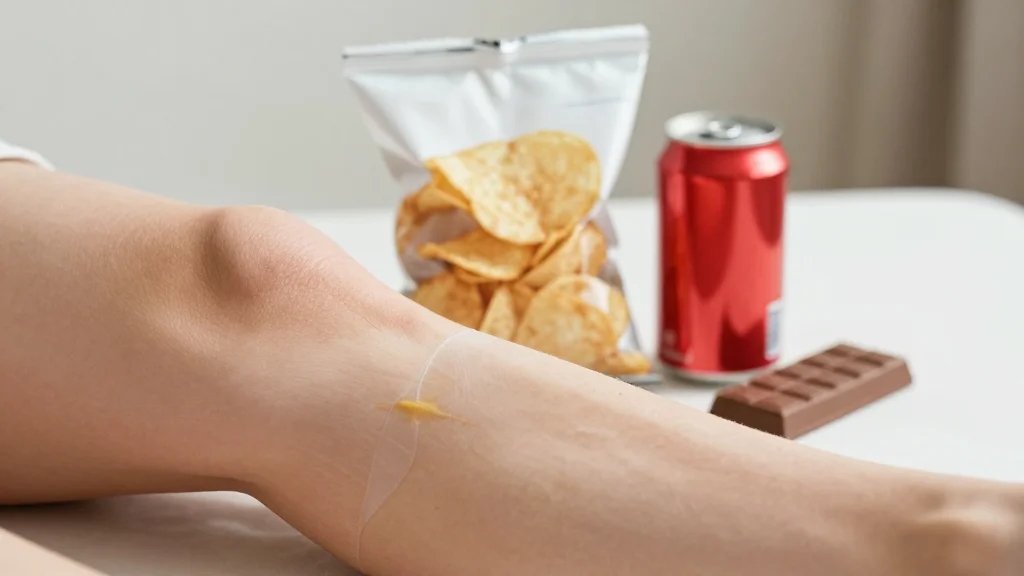
MRI Study Links Ultra‑Processed Foods to Higher Thigh Muscle Fat in Older Adults

Why It Matters
The link between ultra‑processed food consumption and thigh muscle fat adds a tangible, physiologic pathway through which poor diet can accelerate functional decline in older adults. Muscle quality is a key determinant of mobility, fall risk, and independence; thus, dietary interventions could become a low‑cost, scalable tool for preserving healthspan. Moreover, the study reinforces the urgency of revising public‑health messaging to include musculoskeletal outcomes when warning about ultra‑processed foods. If future trials confirm that reducing ultra‑processed food intake improves muscle composition, nutrition policy could shift toward stricter labeling, taxation, or reformulation incentives. Health systems might also integrate dietary counseling into orthopedic and geriatric care, recognizing that muscle health is intertwined with joint disease risk.
Key Takeaways
- •Study of 615 adults (average age 60) links higher ultra‑processed food intake to greater thigh muscle fat infiltration.
- •Association remains after adjusting for BMI and abdominal circumference, suggesting a diet‑specific effect.
- •Dr. Thomas Link: more ultra‑processed foods = more intramuscular fat, independent of calories.
- •Dr. Miriam Bredella calls the finding a "strong association" and stresses lifestyle mitigation.
- •Authors recommend whole‑food diets, low‑impact cardio (e.g., elliptical), and strength training.
Pulse Analysis
The new MRI evidence dovetails with a decade of epidemiological work tying ultra‑processed foods to chronic disease, but it is the first to quantify a direct impact on muscle tissue. Historically, nutrition research has focused on weight and metabolic markers; this study forces a broader view that includes musculoskeletal integrity, a critical factor for aging populations.
From a market perspective, the findings could accelerate demand for minimally processed protein sources, fortified whole foods, and meal‑kit services that promise transparency. Food manufacturers may face heightened scrutiny, especially as insurers and employers look to curb long‑term disability costs linked to frailty. Meanwhile, the fitness industry could leverage the data to promote integrated programs that pair nutrition coaching with low‑impact cardio and resistance training, positioning themselves as partners in preventive musculoskeletal health.
Looking ahead, the key question is whether dietary modification can reverse existing intramuscular fat. If randomized trials demonstrate reversibility, we could see a paradigm shift where diet becomes a first‑line prescription for osteoarthritis prevention and sarcopenia mitigation. Until then, clinicians should incorporate these insights into patient counseling, emphasizing that cutting ultra‑processed foods may protect not just the heart and waistline, but also the muscles that keep people moving.
MRI Study Links Ultra‑Processed Foods to Higher Thigh Muscle Fat in Older Adults
Comments
Want to join the conversation?
Loading comments...