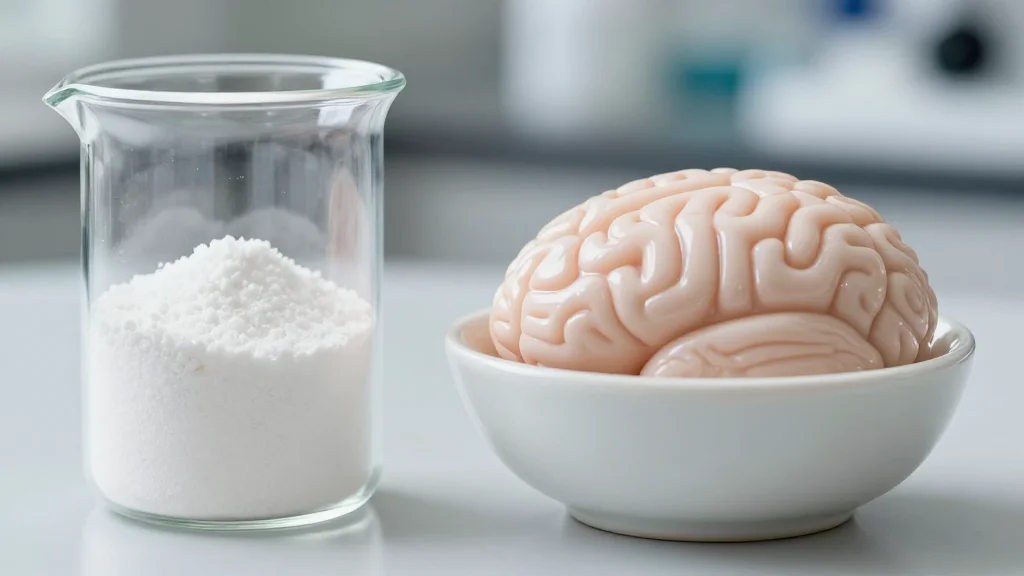
New Handbook Review Positions Creatine as Brain‑Health Aid, Not a Steroid

Why It Matters
Creatine’s reclassification from a purely performance‑enhancing aid to a neuroprotective supplement could expand its market reach and influence dietary guidelines for aging populations. By debunking the steroid myth, the review may also reduce stigma, encouraging more patients and clinicians to consider creatine as a low‑risk adjunct therapy for cognitive decline. The shift underscores the importance of rigorous science in shaping nutrition policy and consumer perception. If subsequent trials confirm the handbook’s claims, insurers might begin covering creatine for specific neurological conditions, and food‑fortified products could emerge, mirroring the trajectory of omega‑3s and vitamin D. Conversely, the call for more robust human studies highlights the need for caution before widespread clinical adoption.
Key Takeaways
- •Dr. Mehdi Boroujerdi’s handbook review releases May 12, linking creatine to brain health.
- •Studies show creatine improves memory, mood, and processing speed in older adults.
- •The review explicitly states creatine is not a steroid, countering common misconceptions.
- •Standard dosing: 20 g loading phase, then 3‑5 g daily; carbohydrate co‑ingestion boosts uptake.
- •Potential regulatory shift toward recognizing creatine as an over‑the‑counter therapeutic agent.
Pulse Analysis
The emerging narrative around creatine reflects a broader trend: repurposing well‑studied sports supplements for clinical applications. Historically, creatine’s reputation hinged on its ability to increase phosphocreatine stores in muscle, driving power output for athletes. The new evidence base, however, positions the molecule within a neuro‑metabolic framework, aligning it with other nutraceuticals that have crossed from performance to health domains, such as beta‑alanine and branched‑chain amino acids.
From a market perspective, this rebranding could unlock a multi‑billion‑dollar segment. Supplement companies are likely to develop brain‑focused formulations, leveraging the anti‑inflammatory and antioxidant claims highlighted in the handbook. Yet, the call for “more robust trials” signals a potential bottleneck; without large‑scale, placebo‑controlled studies, insurers and regulators may hesitate to endorse therapeutic labeling. The upcoming publication may act as a catalyst, prompting grant agencies to fund longitudinal research that could solidify creatine’s role in cognitive health.
Strategically, nutrition professionals should prepare to integrate creatine into evidence‑based recommendations, especially for older adults and populations at risk of neurodegeneration. This will require nuanced guidance on dosing, timing, and co‑nutrient interactions to maximize brain uptake while avoiding unnecessary loading phases. As the science evolves, the line between dietary supplement and medical therapy will blur, demanding clearer communication to consumers and tighter oversight from health authorities.
New Handbook Review Positions Creatine as Brain‑Health Aid, Not a Steroid
Comments
Want to join the conversation?
Loading comments...